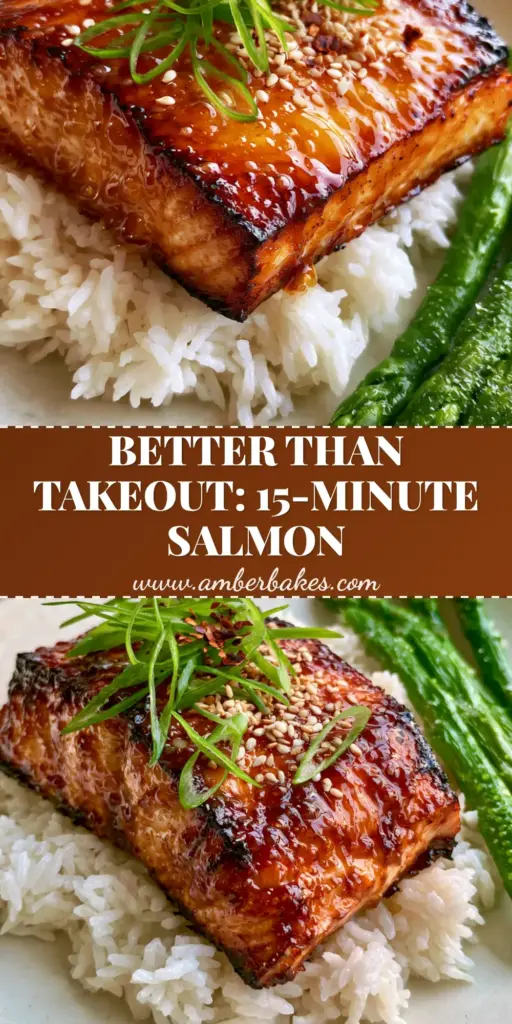
There is nothing quite like the sight of a honey glazed salmon fillet hitting a hot pan, the sound of the sizzle immediately followed by the sweet, aromatic scent of caramelizing honey and toasted garlic. If you have been searching for that elusive “restaurant-quality” finish at home, this recipe is designed to deliver a thick, sticky amber glaze that clings to every flake of succulent Atlantic salmon. We are not just making dinner; we are creating a visual masterpiece that tastes even better than it looks.
This honey glazed salmon is the ultimate weeknight luxury. It features perfectly pan-seared edges with just a hint of charred caramelization, served over a bed of fluffy jasmine rice that soaks up every drop of the garlic-infused sauce. Paired with vibrant, snap-crisp asparagus, this dish balances sweetness, salt, and heat in a way that will have you coming back for seconds. Let’s dive into the science of the perfect sear and the viscosity of a glaze that actually stays on the fish.
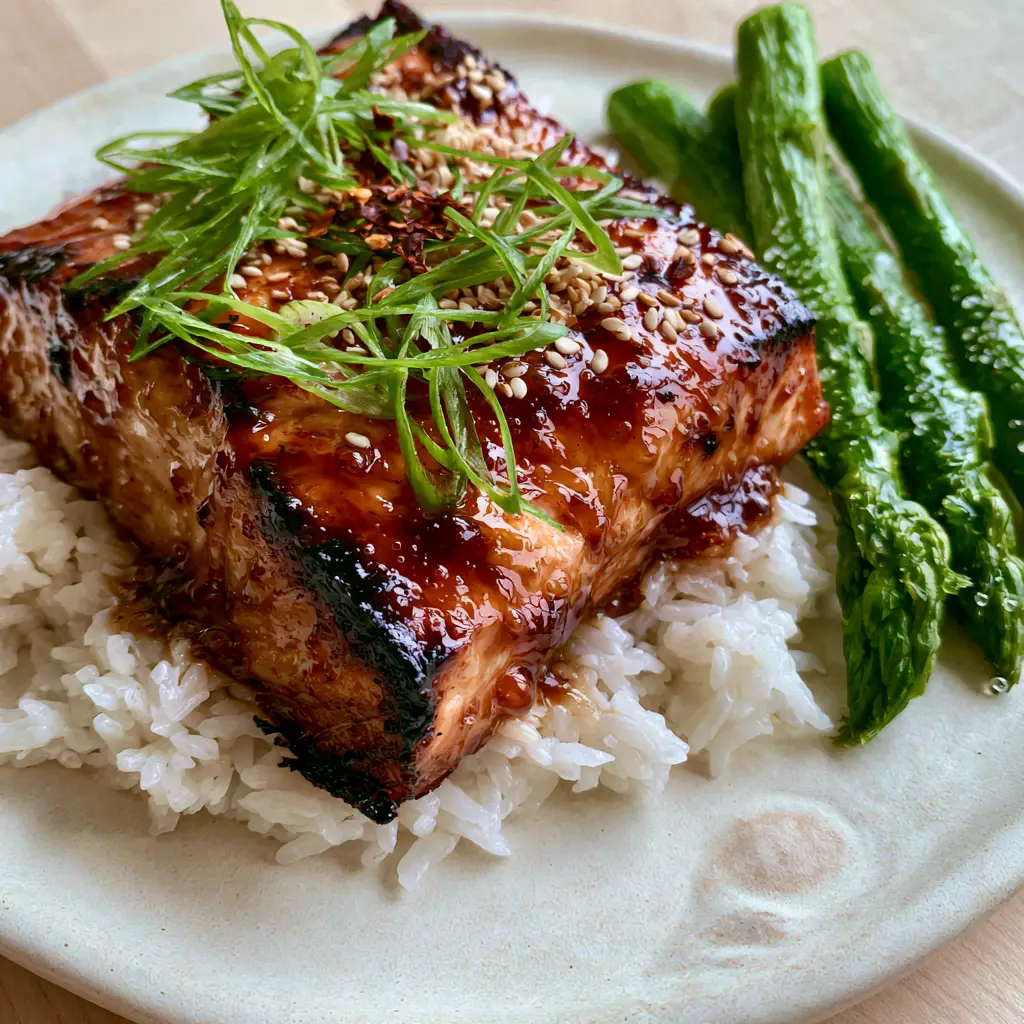
Why This Sticky Honey Garlic Salmon Works
- The Perfect Glaze Viscosity: We use a specific ratio of honey to soy to ensure the sauce bubbles into a thick, glistening lacquer rather than a thin, watery mess.
- Textural Contrast: You get the crunch of toasted sesame seeds, the snap of fresh asparagus, and the melt-in-your-mouth flakes of Atlantic salmon.
- High-Heat Caramelization: By searing the salmon before adding the glaze, we achieve those coveted charred edges that define a professional honey glazed salmon.
- Balanced Heat: A precise pinch of red pepper flakes cuts through the richness of the honey, providing a gentle warmth that builds with every bite.
The Anatomy of a Perfect Honey Glazed Salmon
Success starts with the quality of your ingredients. For a dish this focused, each component plays a vital role in the final flavor profile and the visual “wow” factor you see on Pinterest.
Atlantic Salmon Fillets: Look for thick-cut fillets, approximately 6 oz (170g) each. Thick fillets allow you to achieve a deep sear on the outside without overcooking the center, keeping the fish succulent and moist.
Raw Honey: This is the backbone of our honey glazed salmon. Honey provides the natural sugars necessary for that deep amber, bubbling glaze. If you prefer a different flavor profile, you might explore a maple bourbon glazed salmon for a deeper, woodsy sweetness.
Fresh Garlic: Do not use the jarred kind here. Freshly minced garlic provides the pungent aroma that balances the honey. It toasts slightly in the pan, adding little bits of savory crunch to the glaze.
Low-Sodium Soy Sauce: This provides the salt and the “umami” base. Using low-sodium allows us to control the seasoning perfectly without the dish becoming overly salty as the sauce reduces.
Fresh Asparagus: Choose medium-sized spears. They should be vibrant green and firm to the touch. We want them “snap-crisp,” meaning they are tender but still have a distinct bite and a bright green hue.
Jasmine Rice: This long-grain rice is naturally fragrant and slightly sticky, making it the perfect vessel to catch the honey garlic drippings. If you enjoy fruitier notes with your fish, you should also try this pineapple glazed salmon over the same rice base.
The Science of Searing Your Salmon
Preparing the Fish for Maximum Crispness
Before the salmon even touches the pan, you must ensure it is bone-dry. Use a paper towel to pat the skin and the flesh side thoroughly. Moisture is the enemy of the sear; if the fish is damp, it will steam rather than brown. Season generously with kosher salt and black pepper just seconds before cooking to prevent the salt from drawing out internal moisture.
Mastering the Pan-Sear
Heat a heavy-bottomed skillet (cast iron is ideal) over medium-high heat with 1 tablespoon (15ml) of high-smoke-point oil, like avocado or grapeseed oil. Place the salmon flesh-side down first. Leave it alone for 3-4 minutes. You are looking for the “Visual Recipe Blueprint” standard: caramelized charred edges and a deep golden-brown crust. Flip carefully to the skin side to finish the internal cooking.
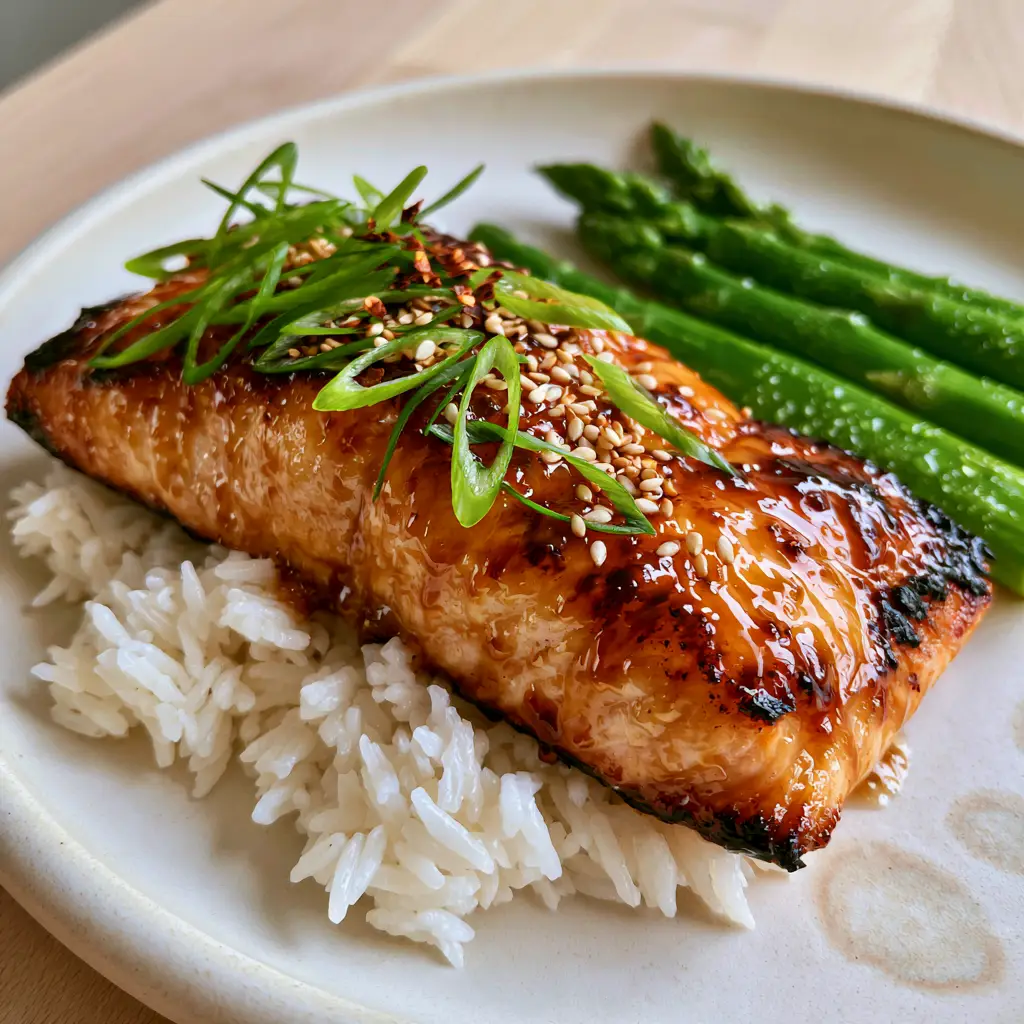
Creating the Bubbling Honey Garlic Glaze
Once the salmon is nearly finished, reduce the heat to medium. Move the fillets to the side and add your garlic, honey, and soy sauce mixture. Watch closely as the heat transforms the liquid. The glaze will begin to foam and bubble—this is the water evaporating and the sugars concentrating. Spoon this liquid gold over the fillets repeatedly (a technique called basting) until it reaches a sticky, viscous consistency that coats the back of a spoon.
Detailed Instructions for Honey Glazed Salmon
1. Steam the Fragrant Jasmine Rice
Rinse 1 cup (185g) of jasmine rice under cold water until the water runs clear. In a small pot, combine the rice with 1.5 cups (350ml) of water and a pinch of salt. Bring to a boil, then cover and reduce to a simmer for 15 minutes. Let it stand covered for 5 minutes before fluffing with a fork. This creates the “fluffy white jasmine rice” bed mentioned in our visual prompt.
2. Prepare the Snap-Crisp Asparagus
Trim the woody ends off 1 bunch of asparagus. Steam them over boiling water for just 3-4 minutes. They should be vibrant green with tiny droplets of moisture on the tips. Immediately shock them in cold water if you aren’t serving right away to maintain that “snap-crisp” texture, then toss with a touch of lemon juice and salt.
3. Execute the Pan-Sear and Glaze
Pat 2 salmon fillets dry. Heat oil in a skillet until shimmering. Sear the flesh side for 3-4 minutes until charred edges appear. Flip. Add the sauce mixture: 3 tbsp (45ml) honey, 2 cloves minced garlic, 1 tbsp (15ml) soy sauce, and 1 tsp (5ml) lemon juice. Baste the fish continuously for 2 minutes as the sauce thickens into a sticky amber lacquer.
4. The Final Garnish and Presentation
Plate the salmon over a generous mound of jasmine rice. Arrange three stalks of asparagus to the side. Drizzle any remaining glaze from the pan over the fish. Sprinkle with thin-sliced green onions, toasted white sesame seeds, and a pinch of red pepper flakes for that final high-end food blog aesthetic.
Expert Tips for Success
- Temperature Matters: Take your salmon out of the fridge 15-20 minutes before cooking. Room-temperature fish cooks more evenly than ice-cold fillets.
- Don’t Crowd the Pan: If you are doubling this recipe, cook in batches. Overcrowding drops the pan temperature, resulting in grey, steamed fish instead of charred honey glazed salmon.
- Watch the Garlic: Garlic burns easily. Add it only when you are ready to start the glaze process to keep it sweet and aromatic rather than bitter.
- Check for Doneness: Salmon is best at medium-rare to medium. It should flake easily with a fork but still look slightly translucent in the very center.
Storage, Reheating & Freezing
Storage: Keep leftover honey glazed salmon in an airtight container in the refrigerator for up to 2 days. The rice and asparagus should be stored separately if possible to maintain their textures.
Reheating: To avoid rubbery fish, reheat the salmon in a 275°F (135°C) oven covered with foil for about 8-10 minutes. Alternatively, enjoy it cold flaked over a salad—it’s delicious!
Freezing: While you can freeze cooked salmon, the texture of the glaze and the fish will change. We recommend enjoying this dish fresh for the best culinary experience.
What to Serve With This Dish
While the jasmine rice and asparagus are classic, you can diversify your sides. A cold cucumber salad with rice vinegar provides a refreshing acidic contrast to the sweet glaze. If you want to lean into more citrus notes, consider serving this alongside a zesty orange glazed salmon for a duo-tasting dinner.
Frequently Asked Questions
Yes, but ensure it is completely thawed and patted extremely dry with paper towels. Any excess moisture will prevent the glaze from adhering and stop the edges from charring.
The key is reduction. You must let the honey and soy sauce mixture bubble in the hot pan for 1-2 minutes until it thickens into a syrup-like consistency that clings to the fish.
Honey has a high sugar content and can burn quickly. Add the glaze components during the last 2-3 minutes of cooking and keep the heat at a medium level while basting.
Yes, salmon is rich in Omega-3 fatty acids. By using low-sodium soy sauce and serving it with fiber-rich asparagus and jasmine rice, you have a well-balanced, nutritious meal.
The salmon is done when it reaches an internal temperature of 125-130°F (52-54°C) for medium. Visually, the flakes should begin to separate easily when pressed with a fork.
The Ultimate Honey Glazed Salmon Recipe
Honey Glazed Salmon with Garlic and Snap-Crisp Asparagus
Ingredients
Equipment
Method
- Combine rinsed jasmine rice with 1.5 cups (350ml) water. Bring to boil, cover, and simmer for 15 minutes. Fluff before serving.
- Steam asparagus for 3-4 minutes until snap-crisp and vibrant green.
- Season salmon with salt. In a hot skillet with oil, sear flesh-side down for 4 minutes until charred edges appear. Flip.
- Add honey, soy sauce, garlic, and lemon juice. Baste the salmon for 2 minutes as the sauce bubbles into a thick amber glaze.
- Serve salmon over rice with asparagus. Garnish with scallions, sesame seeds, and chili flakes.
Notes
Pat the fish completely dry to get those perfect crispy edges.
Join the amber_bakes Community!
If you loved this honey glazed salmon, please give it a 5-star rating in the recipe card above! I love seeing your recreations, so don’t forget to Pin this to your “Healthy Dinners” board and tag me on social media. Share a photo of your bubbling glaze and charred edges in the comments below—it helps other home cooks see how easy and beautiful this dish truly is. For more seafood inspiration, check out my recipe for gochujang honey glazed salmon for a spicy Korean twist!