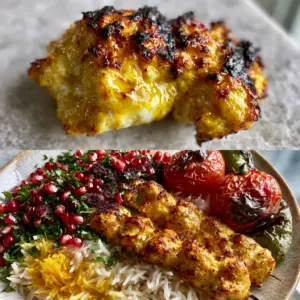
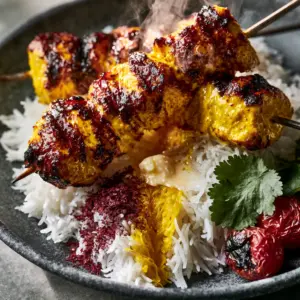
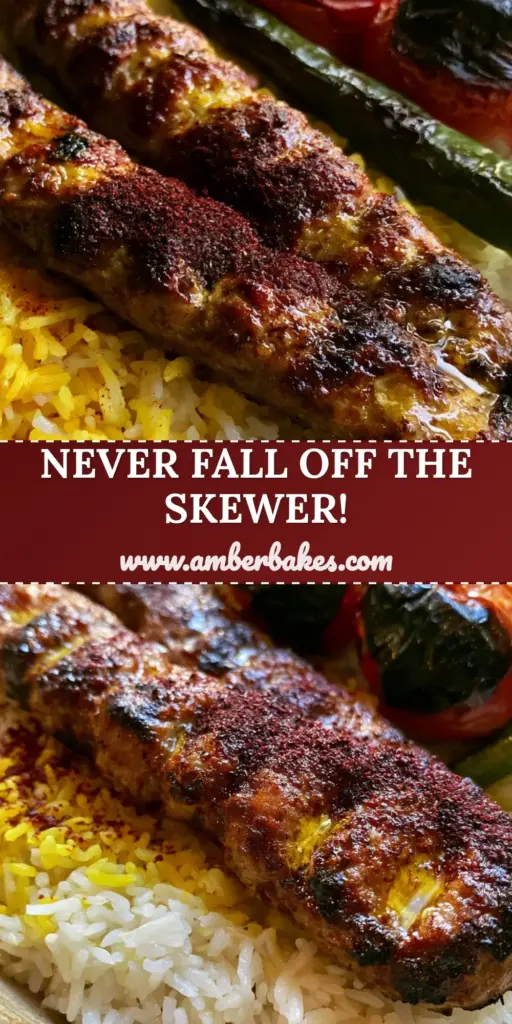
When you walk through the bustling streets of Tehran, the intoxicating aroma of Kabob Koobideh charring over hot coals is unmistakable. It is the quintessential Persian soul food—a succulent, savory masterpiece of ground meat that balances the richness of beef with the bright, citrusy zing of sumac. This recipe captures that exact sensory experience, delivering skewers with deep brown charred edges and a glistening golden sheen from a final brush of saffron butter.
Achieving the perfect Kabob Koobideh at home requires more than just meat; it is an exercise in culinary forensic precision. From the specific finger-pressed indentations that catch the melting butter to the “blistered skins” of accompanying tomatoes, every detail matters. Whether you are a seasoned griller or a curious home cook, this guide will ensure your skewers stay firm on the metal and melt in your mouth.
The Unmatched Appeal of Authentic Persian Koobideh
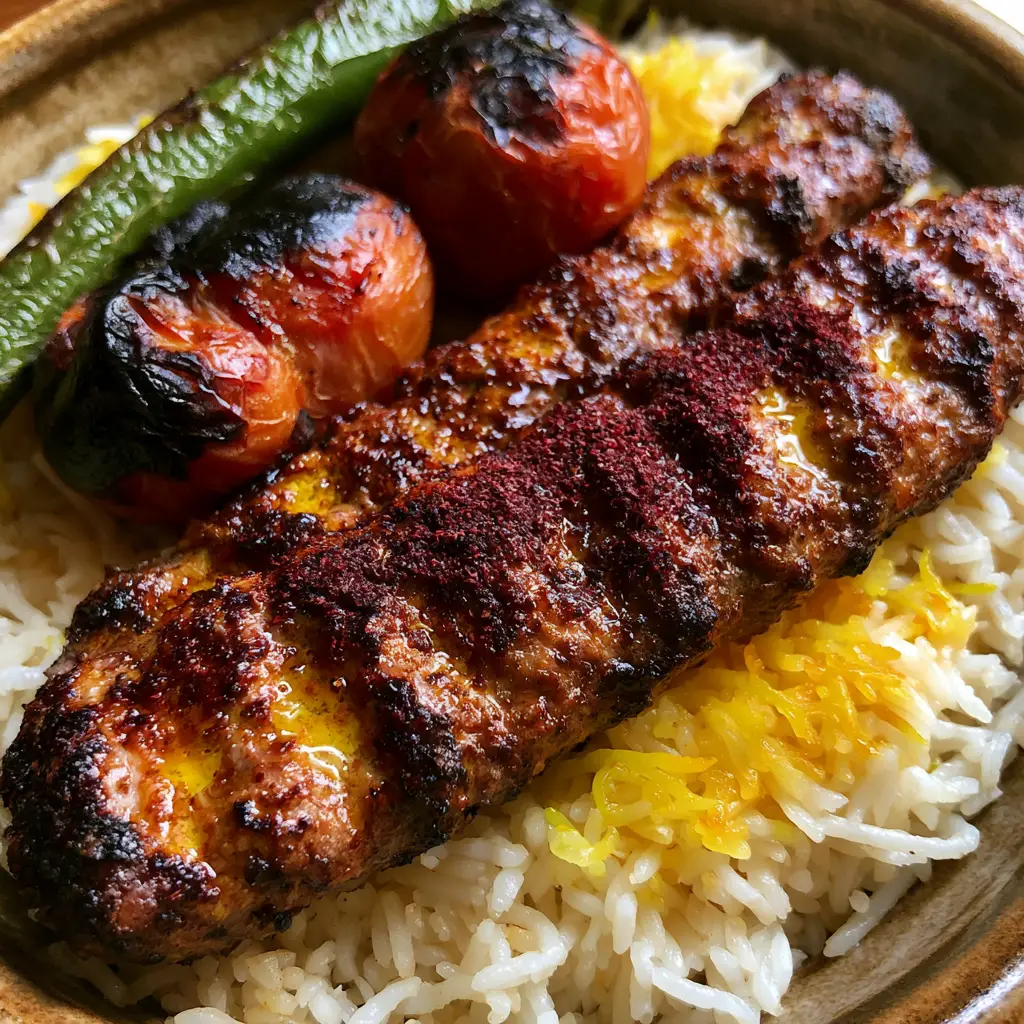
- Textural Perfection: The traditional finger-pressed meat texture creates ridges that caramelize beautifully while keeping the interior juicy.
- Visual Brilliance: A deep red sumac powder coating provides a stunning contrast against the vibrant yellow saffron rice garnish.
- Symphony of Char: Whole blistered tomatoes and grilled long green peppers add a smoky depth that cuts through the richness of the beef.
- Aromatic Excellence: The combination of saffron butter and grated onion juice creates a fragrance that defines high-end Persian dining.
The Anatomy of a Perfect Persian Skewer: Essential Ingredients
To recreate the visual and flavor profile of the Kabob Koobideh seen in our blueprint, you must start with the right foundation. High-quality fat content is the “invisible” ingredient that ensures your meat doesn’t dry out over the flame.
Ground Beef (80/20 Blend): 2 lbs (900g). You need a 20% fat ratio to ensure the meat stays on the skewer and develops those “deep brown charred edges.”
Yellow Onions: 2 large (approx. 500g). These must be grated and squeezed dry; the juice provides flavor while the pulp provides the necessary structural “glue.”
Saffron Threads: 1/2 tsp (1g). Ground and bloomed in hot water, this provides the “glistening golden sheen” when mixed with butter for the final glaze.
Sumac Powder: 3 tbsp (24g). A heavy dusting of this dark red spice is essential for the authentic tangy finish and deep red visual pop.
Unsalted Butter: 4 tbsp (60g). Melted and combined with saffron, this is brushed onto the meat during the final moments of grilling.
Fine Sea Salt and Black Pepper: 1.5 tsp (9g) salt and 1 tsp (2g) pepper. These are the foundational seasonings that amplify the natural umami of the grilled beef.
Basmati Rice: 3 cups (600g). Prepared using the “soak and steam” method to achieve “fluffy, buttery basmati rice” with a “yellow saffron rice garnish.”
Vegetables for Grilling: 4 whole tomatoes and 2 long green peppers. These are grilled until they achieve “blackened skins” and a soft, blistered interior.
Necessary Hardware for Saffron-Infused Success
You cannot achieve the “long, flat Persian Koobideh” look with standard round skewers. The meat will simply spin or fall off into the coals.
Wide Flat Metal Skewers: These should be at least 1 inch (2.5cm) wide. The flat surface area is what allows the meat to cling securely during the flipping process.
A High-Heat Charcoal Grill: While gas works, a charcoal or “manghal” setup provides the authentic smoky char and “natural daylight” highlights on the meat’s juices.
Box Grater or Food Processor: To finely grate the onions into a pulp before extracting the moisture.
The Secret Foundation: Preparing the Meat Mixture
Mastering the Onion Extraction
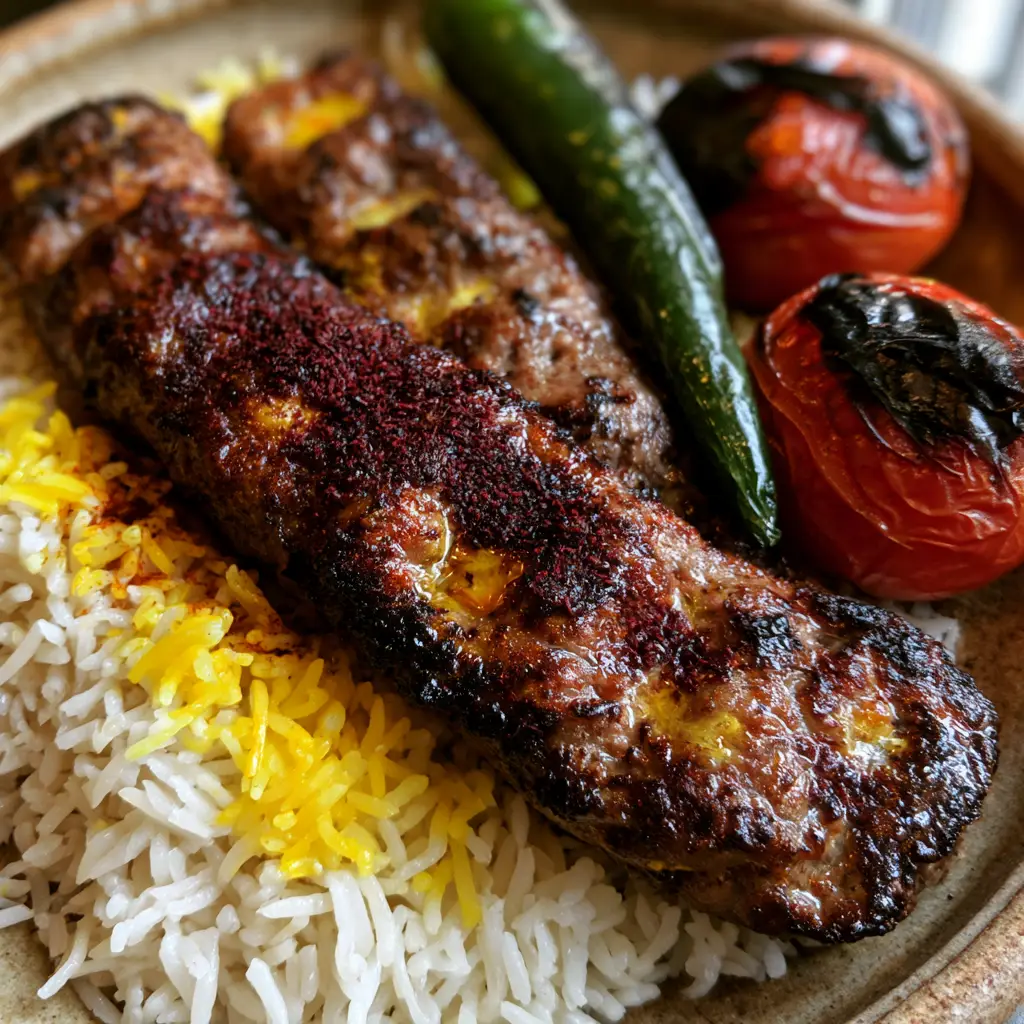
Grate your onions into a fine mesh sieve placed over a bowl. Use the back of a spoon to press out every drop of juice until the pulp is nearly dry. If your meat mixture is too wet, the Kabob Koobideh will lose its structural integrity and fall off the skewer.
The Art of the Knead
Combine the beef, onion pulp, salt, pepper, and a splash of saffron water. Knead the mixture by hand for at least 10 minutes. You are looking for a “tacky” or “sticky” texture—this indicates the proteins have bonded, ensuring the meat holds its shape under heat.
Step-by-Step Instructions for Grilled Perfection
Shaping with Finger-Pressed Indentations
Divide the meat into equal balls. Dip your hand in the reserved onion juice (to prevent sticking) and mold the meat onto the flat skewer. Use your thumb and forefinger to create the signature “finger-pressed meat texture” by pinching the meat every inch along the length of the skewer.
Mastering the High-Heat Sear
Place the skewers over white-hot coals. Let them sear for exactly 30 seconds before flipping. This initial “shock” sets the proteins on both sides. Continue flipping every minute until you see “deep brown charred edges” and the meat feels firm to the touch.
The Saffron Butter Glaze
During the last 2 minutes of grilling, liberally brush the meat with the melted saffron butter. This creates that “glistening golden sheen” and adds a layer of richness that permeates the “fluffy, buttery basmati rice.”
Blistering the Vegetables
Place the whole tomatoes and long green peppers directly over the hottest part of the grill. Rotate them until the skins are blackened and the tomatoes begin to burst. These “blistered whole tomatoes” are the essential acidic component of the dish.
Pro-Tips for Skewers That Never Fall Off
- Cold Meat is Key: Keep your meat mixture in the refrigerator until the very moment you are ready to skewer. Cold fat sticks; warm fat slips.
- The “Salt” Science: Never skip the salt in the kneading phase. Salt helps dissolve the myosin in the meat, which acts as the “glue” for your Kabob Koobideh.
- Skewer Spacing: Ensure there is at least an inch of space between each skewer on the grill to allow for even airflow and a consistent char.
- Resting Period: Let the kabobs rest on the rice for 2 minutes before serving. This allows the juices to soak into the basmati grains.
Storing and Reheating Your Persian Feast
Leftover Kabob Koobideh can be stored in an airtight container in the refrigerator for up to 3 days. To reheat while maintaining the juicy texture, wrap the meat in a damp paper towel and microwave for 45-60 seconds, or reheat in a covered skillet over low heat with a pat of butter.
For long-term storage, you can freeze the cooked kabobs for up to 2 months. Thaw in the refrigerator overnight before reheating. Avoid reheating in a high-heat oven, as this will dry out the delicate “finger-pressed” ridges.
What to Serve with Your Kabob Koobideh
To create a full Persian spread, pair these skewers with a variety of textures and flavors. For a different protein option, consider serving alongside Joojeh Kabob or its variation, the Persian Chicken Kabob.
The traditional accompaniment is always Persian Jeweled Rice, which adds a festive touch with barberries and nuts. If you are looking for something lighter or seafood-based for a larger gathering, Grilled Shrimp Kabobs make an excellent companion dish.
Frequently Asked Questions
Yes, a mix of beef and lamb is very traditional. Just ensure the total fat content remains around 20% to prevent the kabobs from becoming dry and brittle.
Grind a pinch of saffron with sugar, bloom it in 2 tablespoons of hot water, and mix it with a small portion of the cooked white rice to use as a garnish.
While the meat is flavorful on its own, sumac provides the essential citrusy tang that balances the rich fat of the beef, making it an authentic requirement.
You must use wide, flat metal skewers. Round or thin skewers cannot support the weight of the ground meat, causing it to spin or fall into the grill.
This usually happens if the onion juice wasn’t fully squeezed out or if the meat wasn’t kneaded long enough to develop the necessary proteins (myosin) that act as a binder.
The Ultimate Kabob Koobideh Recipe Card
Kabob Koobideh: The Ultimate Guide to Persian Grilled Beef Skewers
Ingredients
Equipment
Method
- Grate onions and squeeze through a sieve until pulp is dry; reserve the juice for handling the meat.
- Combine beef, onion pulp, salt, pepper, and 1 tbsp saffron water. Knead for 10 minutes until tacky.
- Mold meat onto flat skewers, using fingers to create traditional indentations. Ensure even thickness.
- Grill over high heat, flipping every minute. In the last 2 minutes, brush with saffron butter until glistening.
Notes
Use wide flat skewers specifically designed for Koobideh.
Closing & Call to Action
Mastering the Kabob Koobideh is a rite of passage for any home cook looking to explore the depths of Persian cuisine. The combination of “deep brown charred edges” and the “dark red sumac powder” creates a visual and culinary experience that is truly second to none. If you enjoyed this recipe, please leave a comment below and share your results! For more visual inspiration and recipe pins, follow us on Pinterest.