When you think of Pakistani foods, the mind immediately wanders to the vibrant, bustling streets of Lahore or Karachi, where the air is thick with the scent of toasted spices and searing meat. Among the crown jewels of this cuisine is the Karahi Chicken, a dish defined by its rustic preparation and bold, unapologetic flavors.
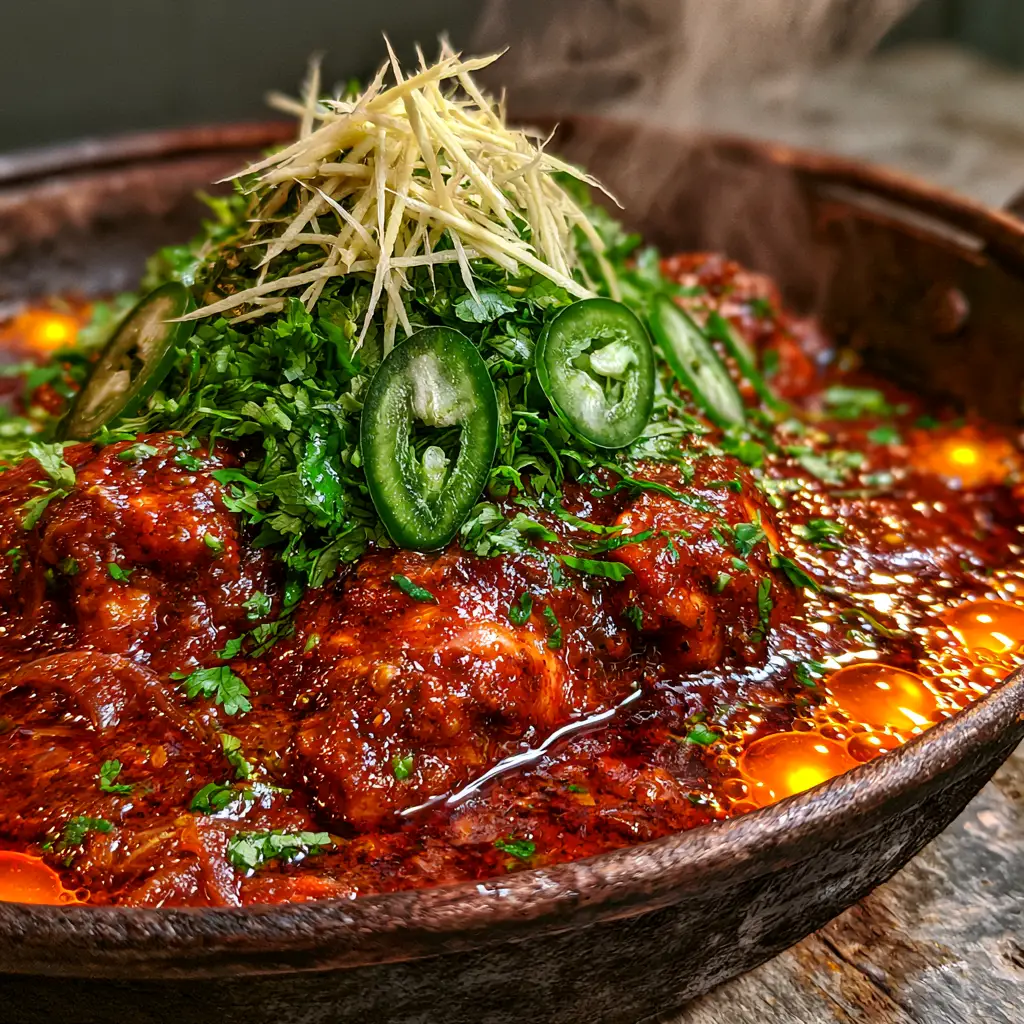
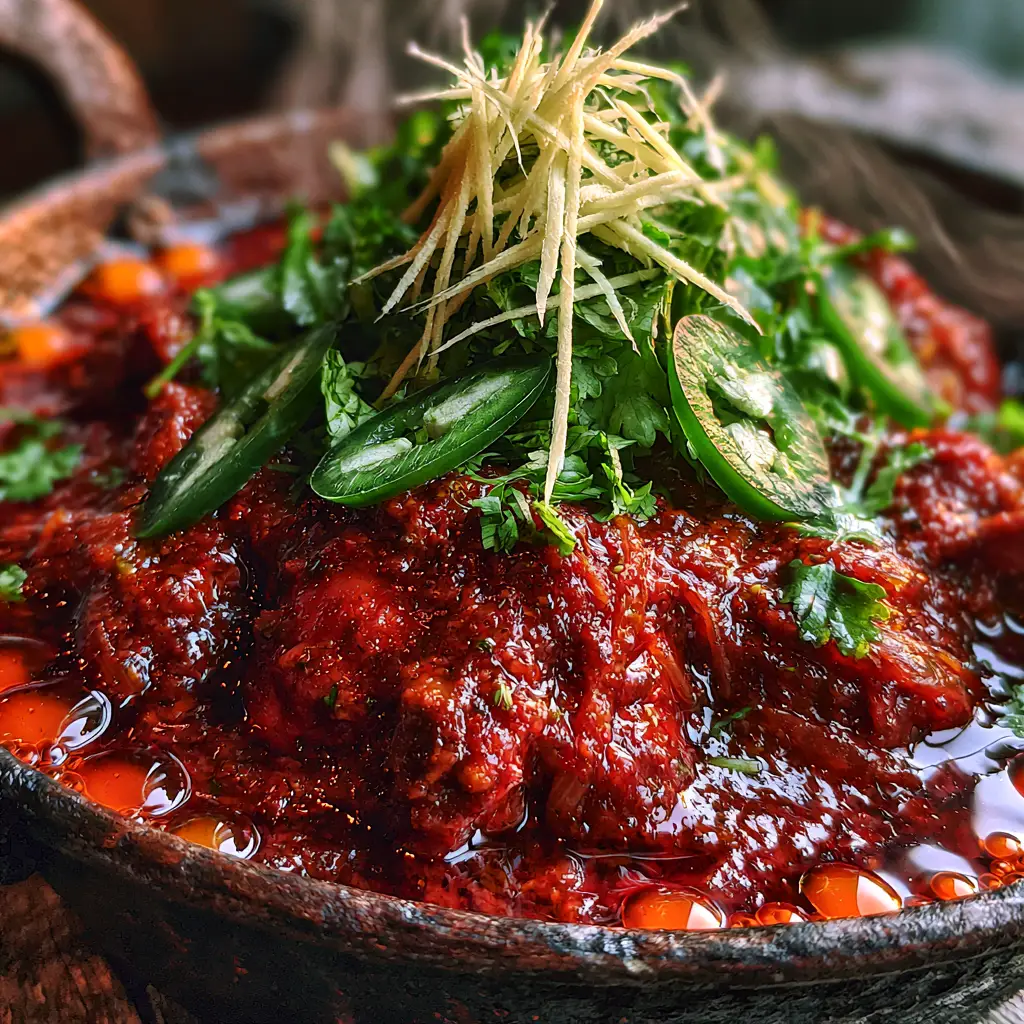
This recipe brings that authentic experience into your kitchen, delivering tender chicken thighs enveloped in a thick, rich, deep reddish-brown bhuna masala sauce. The hallmark of a true Pakistani curry is the glistening red oil that separates at the edges, a visual cue that the spices have been perfectly tempered and the moisture has been cooked out of the aromatics.
Whether you are a seasoned pro or a curious home cook, this guide will walk you through the nuances of achieving that restaurant-quality oily sheen and the complex layering of flavors. Prepare your palate for a journey through one of the most beloved Pakistani foods, complete with the crunch of ginger julienne and the heat of fresh green chilies.
Why This Authentic Pakistani Curry Stands Out
- Visual Masterpiece: The dish features a stunning contrast between the deep red gravy and the bright green pops of fresh cilantro and sliced serrano chilies.
- Textural Complexity: A meticulously sautéed onion and tomato base creates a thick, textured masala that clings to every piece of tender chicken.
- Shattering Aromatics: The addition of toasted cumin seeds and cracked black pepper at the final stage provides an explosive aromatic finish.
- Scientific Precision: By following the bhuna technique, we ensure the “roghen” (bright orange oil) separates perfectly, signifying a concentrated, deep flavor profile.
The Anatomy of a Perfect Bhuna Masala
To recreate authentic Pakistani foods, you must understand the role of each ingredient. We don’t just use spices for heat; we use them to build a foundation of umami and fragrance that defines the region’s culinary identity.
Chicken Thighs (Bone-in): 2 lbs (900g). We use thighs because they remain succulent during the high-heat bhuna process, whereas breasts would dry out. The bone adds essential collagen to the gravy.
Cooking Oil or Ghee: 1/2 cup (120ml). While it may seem like a lot, this is non-negotiable for achieving the glistening red oil appearance seen in traditional iron Karahi cooking.
Yellow Onions: 2 large (300g), finely diced. These provide the structural body of the sauce. They must be sautéed until they lose their moisture and turn a deep golden hue.
Roma Tomatoes: 4 medium (400g), finely chopped. Tomatoes add the necessary acidity and moisture to deglaze the pan, eventually breaking down into a thick, concentrated paste.
Ginger-Garlic Paste: 2 tbsp (30g). A foundational element of most Pakistani foods, this paste provides a pungent, aromatic base that mellows into a sweet, earthy undertone.
Spices: 1 tbsp (6g) Kashmiri red chili powder for that iconic red color without excessive heat, 1 tsp (2g) turmeric, and 1.5 tsp (9g) sea salt.
The Finisher Spices: 1 tsp (2g) toasted cumin seeds and 1 tsp (2g) freshly cracked black pepper. These are added at the end to maintain their volatile oils and pungent bite.
Fresh Aromatics: 2-inch (5cm) piece of ginger cut into needle-thin julienne, 1/4 cup (15g) fresh cilantro, and 3-4 serrano chilies diagonally sliced.
Essential Equipment for the Desi Kitchen
To achieve the visual result of a thick gravy in a dark iron Karahi, the vessel matters as much as the flame. A heavy-bottomed cast iron skillet or a traditional carbon steel Karahi is ideal for even heat distribution.
You will also need a sharp chef’s knife for those needle-thin ginger juliennes and a sturdy wooden spatula. The spatula is critical for the constant scraping and stirring required during the “bhuna” phase to prevent the thick masala from sticking.
Mastering the Bhuna Technique: Step-by-Step
Creating the Aromatic Foundation
Heat the oil or ghee in your Karahi over medium-high heat until it shimmers. Add the diced onions and sauté them, stirring frequently, for about 10-12 minutes.
You are looking for a specific visual cue: the onions should transition from translucent to a rich, uniform golden brown. Once they reach this stage, add the ginger-garlic paste and sauté for another 2 minutes until the raw smell vanishes.
Developing the Deep Red Masala
Add the chopped tomatoes along with the Kashmiri red chili powder, turmeric, and salt. Reduce the heat to medium and cook the tomatoes down.
Use the back of your spoon to mash the tomatoes into the onions. Continue cooking until the water from the tomatoes has evaporated and you see beads of bright orange oil separating from the spice paste.
Searing the Chicken Thighs
Increase the heat to high and add the chicken thighs to the Karahi. Sear the meat for 5-7 minutes, ensuring every piece is fully coated in the glistening, aromatic gravy.
The chicken should take on a slight brown crust from the high-heat contact with the iron pan. This step locks in the juices and ensures the chicken is tender and flavorful to the bone.
The Final Bhuna and Tempering
Lower the heat, cover the pan, and let the chicken simmer in its own juices for 15-20 minutes. Once the chicken is cooked through, remove the lid and turn the heat back up.
This is the final “bhuna” phase. Stir in the toasted cumin seeds and cracked black pepper. Continue to cook, stirring constantly, until the sauce thickens into a rich, reddish-brown coating and the oil pools at the edges of the pan.
Expert Tips for Success with Pakistani Foods
- Don’t Rush the Onions: The deep color of your curry comes from the onions. If they aren’t browned enough, your gravy will be pale and sweet rather than rich and savory.
- The Oil Separation Cue: In Pakistani culinary science, the “separation of oil” (bhuna) is the indicator that the raw flavor of the spices has been transformed into a complex sauce.
- Use Freshly Cracked Pepper: Pre-ground pepper lacks the floral heat and visual texture required for a Karahi. Always use a mortar and pestle or a mill.
- High Heat Finish: The final few minutes of high-heat sautéing are what give the dish its “handheld smartphone photo” quality oily sheen.
Storage, Reheating, and Freezing
This chicken curry is one of those Pakistani foods that actually tastes better the next day. As it sits, the spices penetrate deeper into the meat.
Store leftovers in an airtight container in the refrigerator for up to 3 days. To reheat, add a splash of water and heat on the stovetop over low flame to avoid breaking the delicate oil-based emulsion.
While you can freeze this dish for up to 2 months, the texture of the thick gravy may slightly change upon thawing. Always garnish with fresh ginger and cilantro *after* reheating to restore the vibrant colors.
What to Serve With This Authentic Karahi
Traditional Pakistani foods are best enjoyed with hot, buttery Garlic Naan or fluffy Basmati rice to soak up that incredible bhuna masala. If you are looking for a refreshing contrast to the heat, a side of creamy French potato salad provides a surprisingly delightful cooling element.
For a complete multi-course experience, start your meal with a zesty shrimp appetizer to wake up the palate. If you have leftovers, the thick chicken pieces make an incredible filling for a fusion-style steak sandwich later in the week.
Finally, end the meal on a sweet note with sweet mango cupcakes or mango lime mini cupcake bites to balance the heavy spices with tropical brightness.
Frequently Asked Questions
While possible, chicken thighs are highly recommended. The high-heat ‘bhuna’ process can easily dry out white meat, whereas thighs remain juicy and tender under intense heat.
A traditional iron Karahi or a heavy cast iron skillet is best. The iron helps maintain high heat and contributes to the signature dark, rich color of the gravy.
It has a robust warmth from ginger, black pepper, and chilies, but you can control the heat by removing the seeds from the serrano chilies used for garnish.
The vibrant red color comes from Kashmiri red chili powder, which is known for its intense pigment rather than high heat, and the process of properly browning the onions before adding tomatoes.
In Pakistani cooking, oil separation (known as ‘roghen’) indicates that the moisture has evaporated from the tomatoes and onions, and the spices have been fully cooked, resulting in a concentrated, deep flavor.
The Ultimate Authentic Pakistani Karahi Chicken Recipe
Pakistani Foods: The Ultimate Authentic Karahi Chicken Recipe
Ingredients
Equipment
Method
- Heat oil in the Karahi. Add diced onions and cook until they reach a uniform deep golden brown (approx 10-12 mins).
- Stir in the ginger-garlic paste and sauté for 2 minutes until fragrant.
- Add chopped tomatoes and ground spices. Cook until the tomatoes break down into a thick paste and the bright orange oil separates at the edges.
- Add chicken thighs and sear on high heat until fully coated in the reddish-brown gravy.
- Lower heat, cover, and simmer for 20 minutes until chicken is tender.
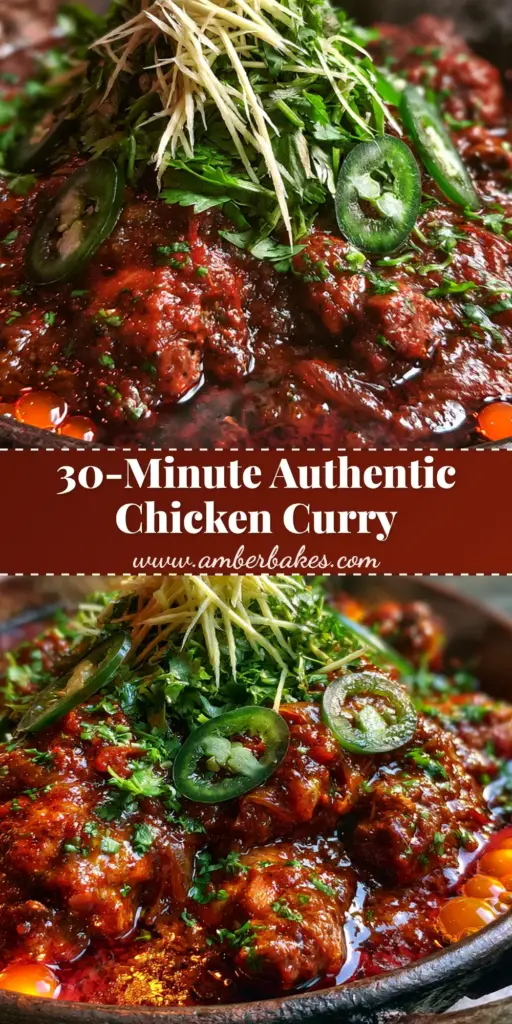
- Stir in toasted cumin and black pepper. Top with a mountain of ginger julienne, cilantro, and sliced serrano chilies.
Notes
Ensure the oil separates completely before adding the chicken; this is the key to deep flavor.
Closing & Call to Action
Mastering the art of Pakistani foods is a rewarding journey that begins with understanding the balance of oil, heat, and aromatics. This Karahi Chicken is a testament to the rich culinary heritage of the region, offering a sensory experience that is as beautiful to look at as it is to eat.
If you enjoyed this deep dive into bhuna masala, please leave a comment below and let us know how your oil separation turned out! Don’t forget to share your creations and follow us for more professional recipes on Pinterest. Happy cooking!