There is nothing quite as disappointing as lugging a heavy watermelon home from the market, slicing it open with high expectations, and finding a pale, mealy, or flavorless interior. Learning the art of picking a watermelon is a rite of passage for every home cook who values the refreshing, crystalline crunch of a perfect summer harvest. Whether you are prepping a backyard barbecue or looking for a healthy snack, the ability to identify a premium melon is a skill that combines botanical science with sensory intuition.
When you master the visual cues of a ripe watermelon, you aren’t just guessing; you are reading the history of the fruit’s growth. From the intensity of the rind stripes to the specific texture of the “sugar webbing,” every mark on the exterior tells a story of sun exposure and pollination. In this guide, we will break down the forensic details that separate a “good” melon from a legendary one, ensuring that every slice you serve is vibrant, ruby-red, and bursting with natural sugars.
The Anatomy of a Premium Summer Watermelon
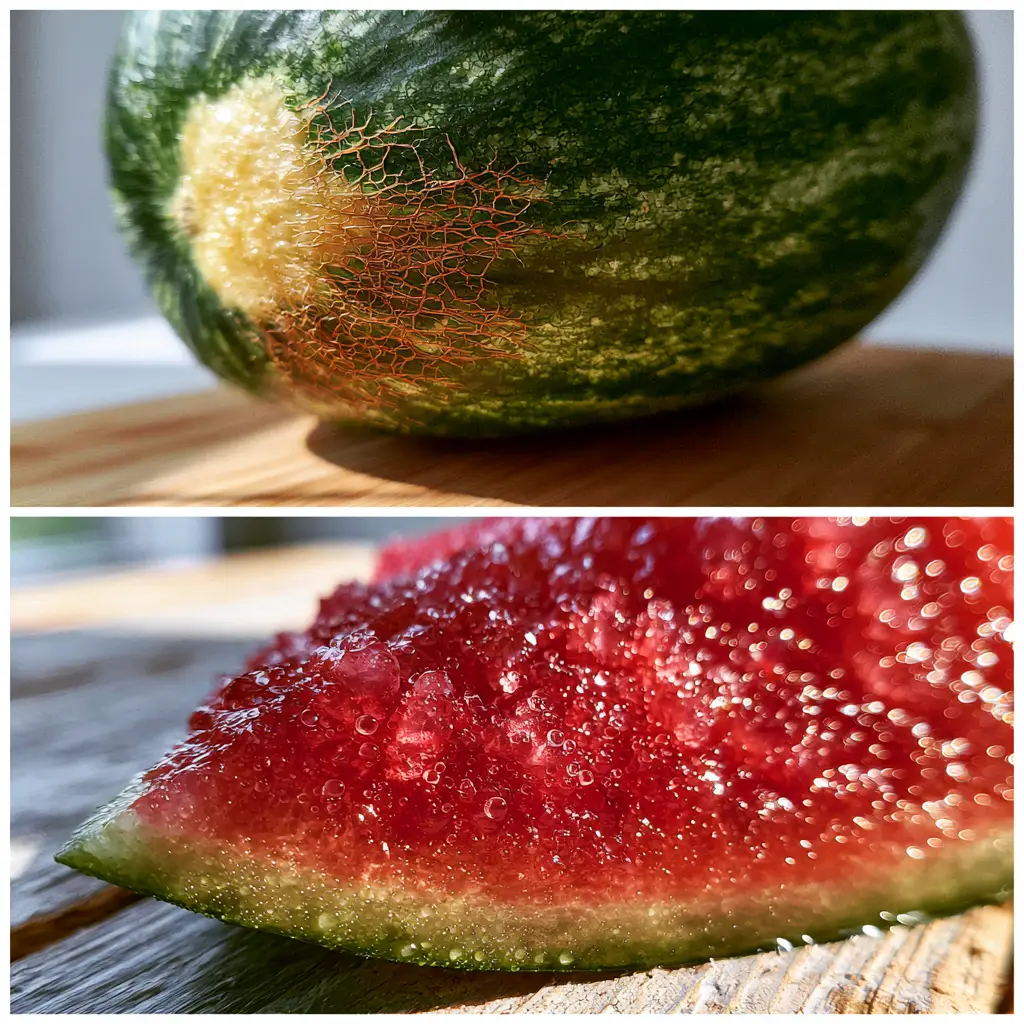
Before you even lift a fruit, you need to know what a “perfect” specimen looks like. A premium watermelon should exhibit specific characteristics that indicate it was allowed to ripen fully on the vine, rather than being harvested early for shipping convenience. Look for these high-value indicators:
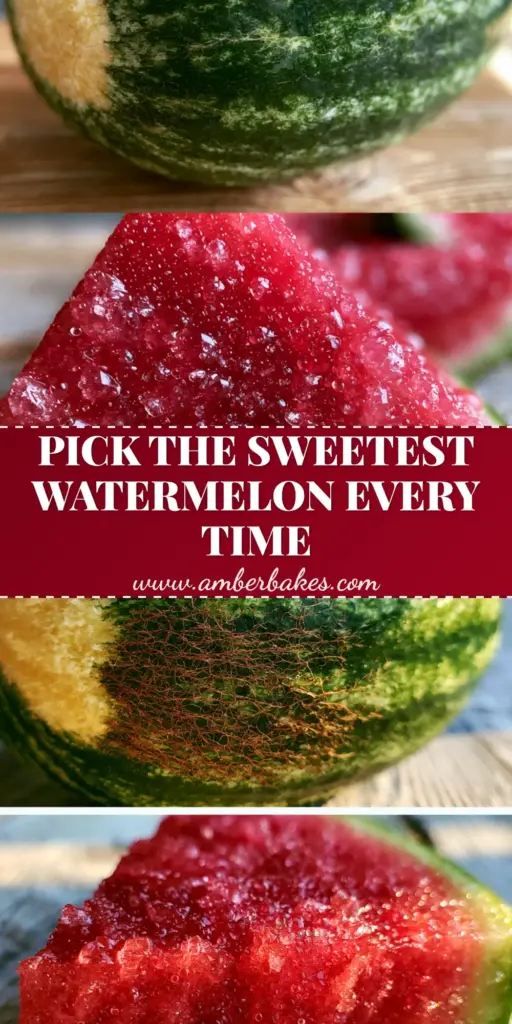
- The Buttery Field Spot: A deep, creamy yellow patch where the melon rested on the earth.
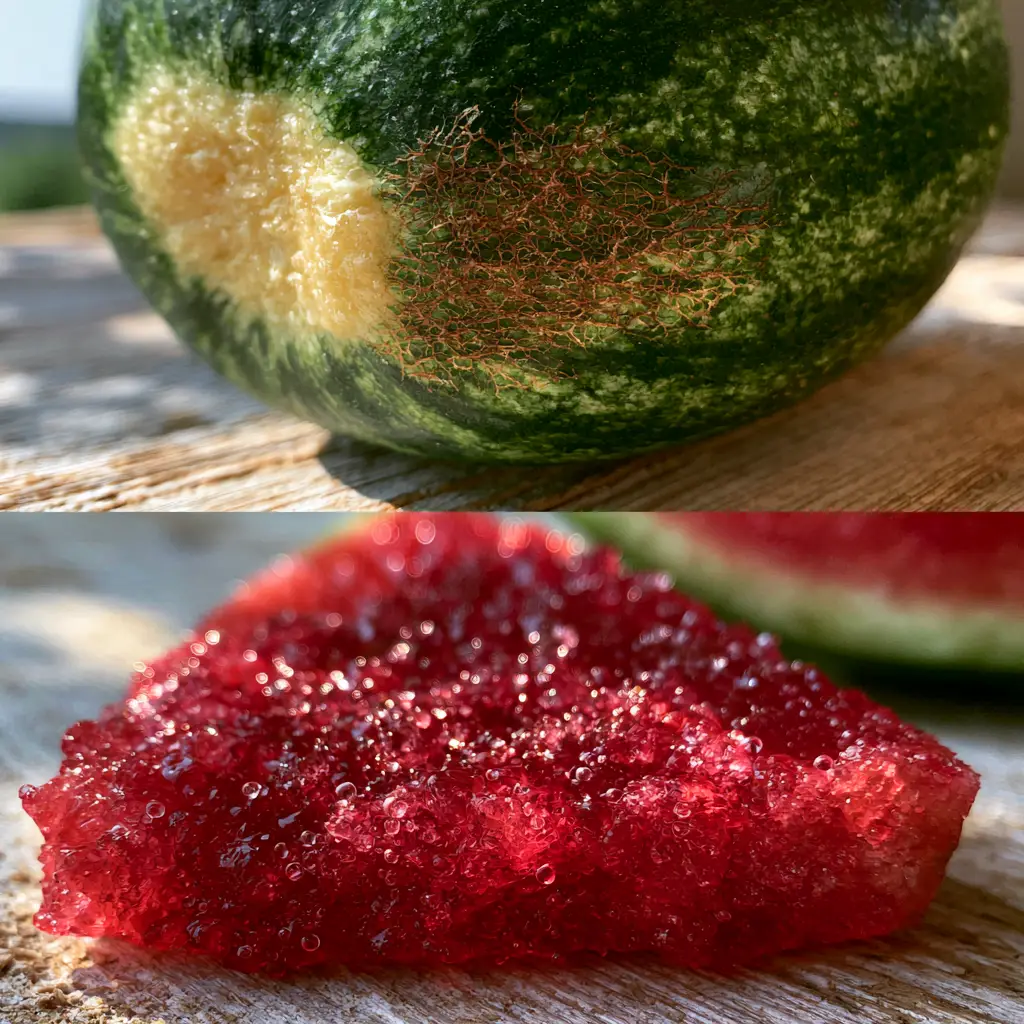
- Brown Sugar Webbing: Dense, dry, scarring patterns that look like brown sugar trails, indicating high bee activity and pollination.
- Dark Green Striping: Sharp contrast between the deep forest green and lighter sage stripes on the rind.
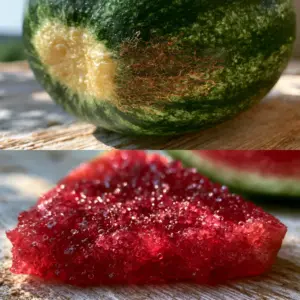
- Crystalline Flesh: Once cut, the interior should sparkle with a granular, sugar-sweet texture rather than looking smooth or slippery.
- Structural Density: The fruit should feel incredibly heavy for its size, vibrating with stored water and juice.
Essential Attributes for the Ultimate Sweetness
Achieving that iconic, glistening interior requires more than just luck. The specific “crystalline” texture we crave is a result of optimal cellular pressure (turgor) and high Brix levels (sugar content). When picking a watermelon, you are essentially looking for a fruit that has maxed out its sugar storage.
The dark green striped rind serves as a protective barrier, but it also reflects the chlorophyll health of the plant. A dull rind—not a shiny one—is actually what you want. A shiny rind usually indicates an underripe fruit that is still in its growing phase. A dull, matte finish suggests the melon has finished its growth cycle and concentrated its energy into sweetening the ruby-red flesh inside.
If you find yourself with an abundance of perfect fruit, consider transforming it into a velvety watermelon ice cream for a sophisticated summer dessert. The high sugar content of a well-picked melon provides the perfect natural base for freezing.
The Selection Criteria: Every Ingredient Counts
While we often think of watermelon as a single-ingredient item, the “ingredients” of a successful harvest include the soil nutrients and the climate. To prepare a watermelon for serving as shown in our visuals, you will need:
The Whole Premium Watermelon
One large watermelon (approx. 15-20 lbs / 7-9 kg) is the centerpiece. Ensure it features the “brown sugar webbing” which is a botanical sign of multiple pollinations—the more webbing, the sweeter the fruit.
Foundational Seasoning: Flaky Sea Salt
1 tsp (5g) of high-quality flaky sea salt. Salt acts as a flavor bridge, suppressing bitterness and enhancing the perception of the fruit’s natural sweetness.
Acid Component: Fresh Lime Juice
2 tbsp (30ml) of freshly squeezed lime juice. The citric acid helps to brighten the deep ruby-red color and provides a sharp contrast to the dense, sugary interior.
Hydration Maintenance: Ice-Cold Water Bath
Enough filtered water to submerge the melon for 30 minutes before cutting. This ensures the “glistening water droplets” effect and keeps the crystalline texture crisp when sliced.
Tools for Precision Slicing and Selection
To achieve the “handheld smartphone photo” aesthetic with sharp textures and minimalist appeal, you need the right equipment. A heavy-duty chef’s knife is non-negotiable for cutting through a thick, striped rind without bruising the delicate interior.
A large, rustic light-wood cutting board provides the perfect backdrop for the vibrant red flesh. Using a wooden surface rather than plastic helps absorb excess moisture, allowing the “sparkling juicy interior” to be the star of the show. Finally, a digital thermometer can be used to ensure the melon is served at the optimal “golden hour” temperature of 45°F (7°C).
Step-by-Step Selection and Preparation Process
Step 1: The Visual Inspection for Sugars
Approach the bin and look for the darkest rinds with the most prominent stripes. Turn the melon over to find the field spot. You are looking for a deep, buttery yellow color—if it is white or pale green, put it back. The yellow color is a forensic marker of ripeness. Next, look for “webbing.” These dry, brown, cork-like tracks are the result of bees touching the flower’s membranes; the more tracks, the more pollination, and the higher the sugar content.
Step 2: The Weight and Sound Calibration
Pick up the melon. It should feel surprisingly heavy, like a lead weight wrapped in a rind. This indicates high water density. Perform the “thump test”: flick the rind with your finger. A ripe melon will produce a hollow, tenor-like “pong” sound. An underripe melon will sound like a high-pitched “pink,” and an overripe one will sound like a dull, thudding “thunk.”
Step 3: The Cold Cure and Cleaning
Once home, scrub the dark green rind under cold running water to remove any field dust. Submerge the entire watermelon in an ice-water bath for at least 30 minutes. This “shocks” the cells, ensuring that when you slice into it, you get that crystalline fruit texture that sparkles in the light. This step is crucial for achieving the “glistening water droplets” look.
Step 4: Precision Slicing for Maximum Visual Impact
Place the chilled melon on your rustic wood table. Slice off both ends to create a stable base. Stand the melon upright and slice it vertically down the middle. Lay one half flat and cut into thick, 2-inch (5cm) triangular slices. As you cut, you should hear a distinct “crack”—this is the sound of the high-sugar, dense flesh yielding to the blade.
Step 5: The Finishing Flourish
Arrange the slices in the soft, natural sunlight of the “golden hour.” Squeeze a hint of lime juice over the vibrant ruby red flesh to make the crystalline structures pop. Sprinkle a tiny pinch of sea salt to draw out the sparkling juices. The contrast between the dark green rind and the deep red interior creates a minimalist, high-saturation aesthetic that is perfect for photography.
Pro Tips for Watermelon Success
- Avoid the “Shiny” Trap: A glossy rind is a sign of an immature watermelon. Look for a matte, dull finish to ensure the sugars have fully developed.
- Check the Tail: If the stem (or tail) is still attached, it should be dry and brown. A green stem means the melon was harvested too early and will never reach peak sweetness.
- The Gender Myth: In culinary circles, people often talk about “male” (elongated) and “female” (round) melons. For maximum sweetness, choose the rounder melons, as they tend to have higher sugar concentrations.
- Visualizing the Interior: Look for “bee stings” (small beads of dried sap). This is nature’s way of telling you the interior is so sweet it is literally leaking sugar.
Storage and Preservation
A whole, uncut watermelon can be kept at room temperature for up to two weeks, though the flavor is best if consumed within 7 days of picking a watermelon. Once you have sliced the fruit into those beautiful ruby-red triangles, they must be refrigerated.
Store slices in an airtight container for 3-5 days. If the fruit begins to lose its crystalline texture and becomes soft, do not toss it! You can blend the remaining fruit to create a candied watermelon margarita or freeze it into refreshing frozen yogurt pops.
What to Serve with Fresh Watermelon
The sweet, sparkling nature of a perfect watermelon makes it a versatile player in both sweet and savory menus. For a classic Mediterranean pairing, toss cubes of watermelon with feta and mint for a traditional Greek salad or a crisp maroulosalata.
If you are looking for a main course pairing, the clean sweetness of the fruit cuts through the richness of seafood beautifully. Try serving chilled slices alongside pan-seared rainbow trout or a hearty southern potato salad at your next picnic. The acidity of the melon also complements the heat in dishes like spicy honey lime chicken.
Counter-intuitively, no. A shiny rind indicates the watermelon is still growing and underripe. A dull, matte rind is a better sign that the fruit is fully mature and sweet.
While both can be good, rounder ‘female’ melons are generally sweeter and have fewer seeds, whereas elongated ‘male’ melons tend to be more watery and less sweet.
Those brown, dry, web-like scars are called pollination points. They indicate that bees visited the flower many times. The more webbing you see, the sweeter the watermelon will be.
The thump test involves flicking the watermelon with your fingers. A ripe melon sounds hollow, like a tenor drum (a ‘pong’), while an underripe one sounds tight and high-pitched (a ‘pink’).
The field spot is where the melon sat on the ground. A creamy, buttery yellow spot means it ripened on the vine. If the spot is white or non-existent, the melon was picked too early.
The Ultimate Guide to Picking a Watermelon
Picking a Watermelon: The Expert Guide to Finding the Sweetest, Ripest Fruit Every Time
Ingredients
Equipment
Method
- Identify a melon with a dark green striped rind, a buttery yellow field spot, and dense brown sugar webbing.
- Flick the rind; listen for a hollow, tenor 'pong' sound indicating ripeness and water density.
- Submerge the melon in an ice-water bath for 30 minutes to set the crystalline fruit texture.
- Slice into 2-inch thick triangular wedges, revealing the vibrant ruby red flesh.
Notes
The heavier the melon, the juicier the interior will be.
Conclusion: Master the Summer Harvest
Becoming an expert at picking a watermelon transforms a simple grocery trip into a successful culinary mission. By looking for that buttery yellow field spot, the dry brown webbing, and the heavy, dense weight, you ensure that every summer meal concludes with a burst of ruby-red sweetness. Don’t forget to share your successful finds with us! If you found a melon with incredible sugar spots, tag us or head over to our Pinterest to see more visual guides to summer produce.