There is a specific kind of culinary magic that happens when pantry staples are treated with the respect of a five-star entree. This Creamy Parmesan tuna pasta is the definitive proof that canned fish can be transformed into a sophisticated, gourmet meal that rivals any trattoria dish. By focusing on high-quality textures and specific visual cues, we are moving far beyond the heavy, dated casseroles of the past.
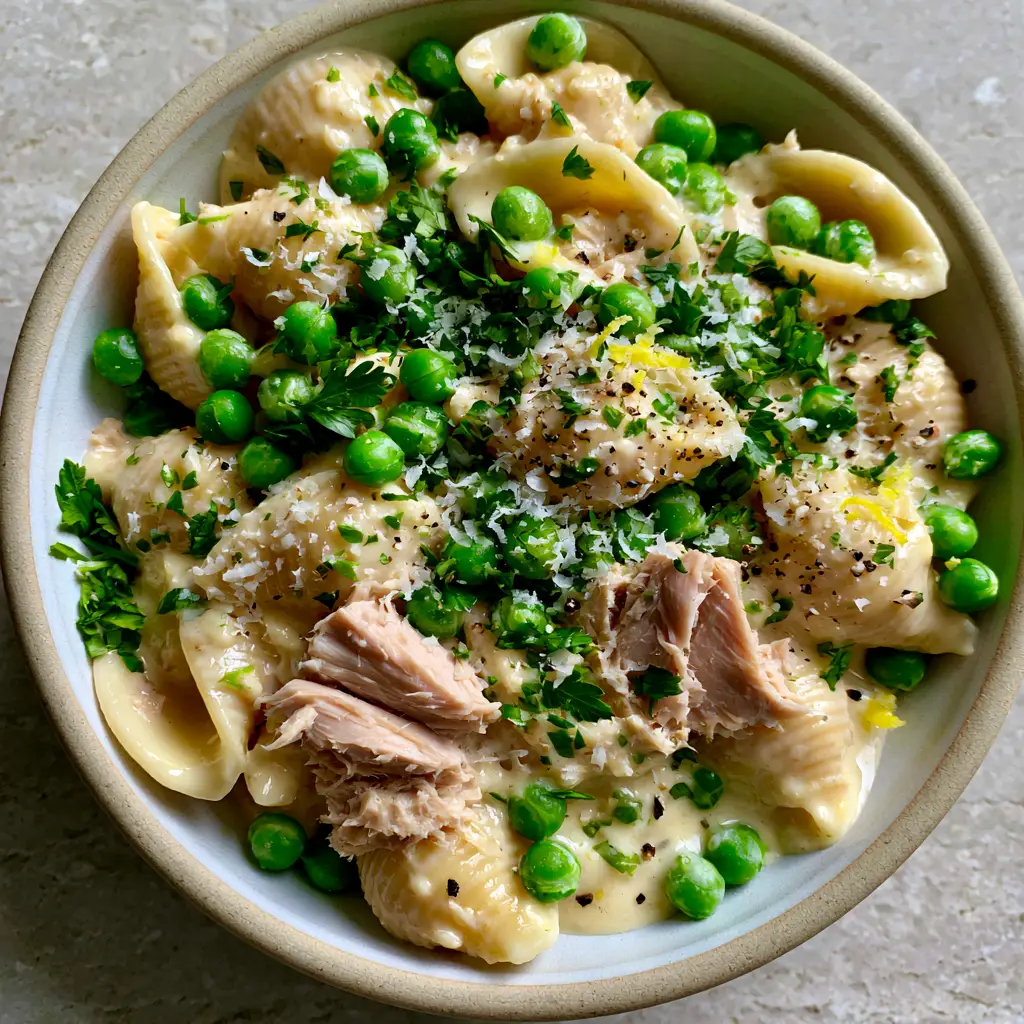
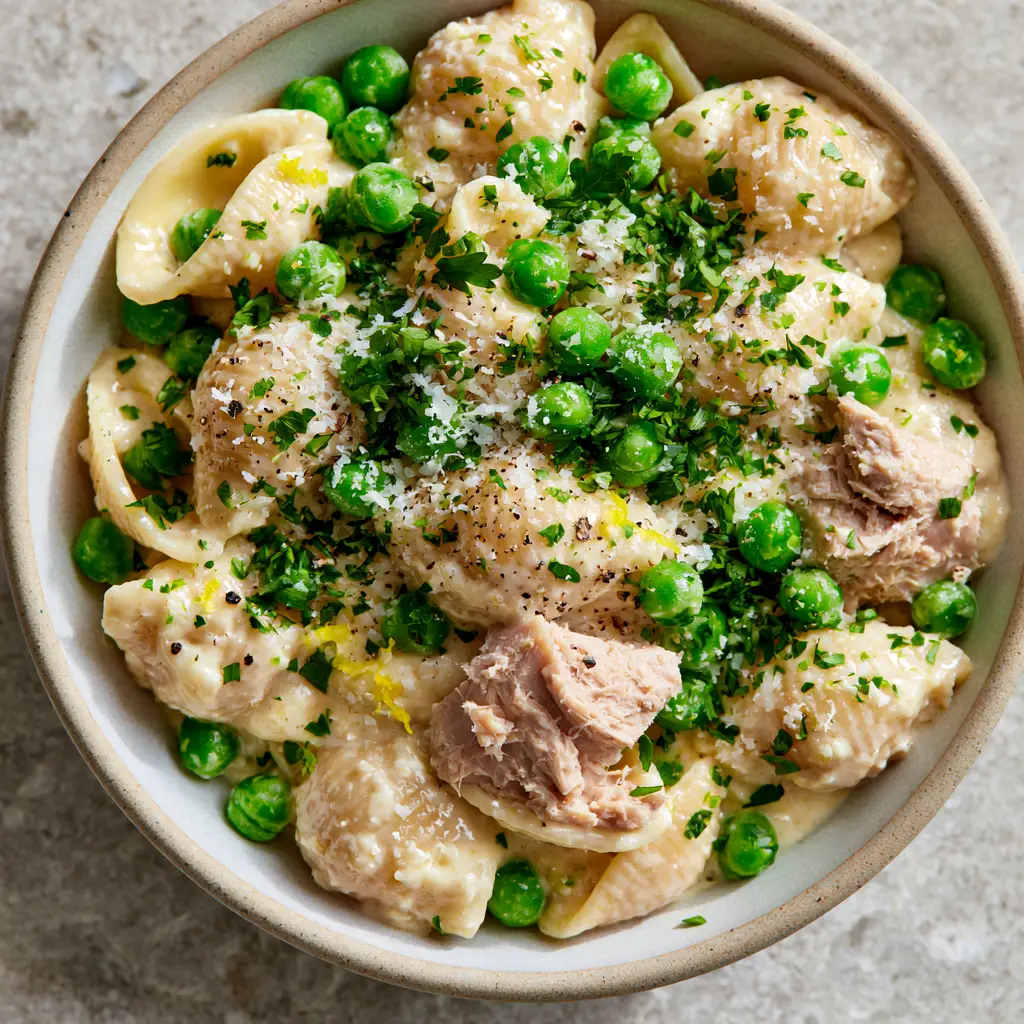
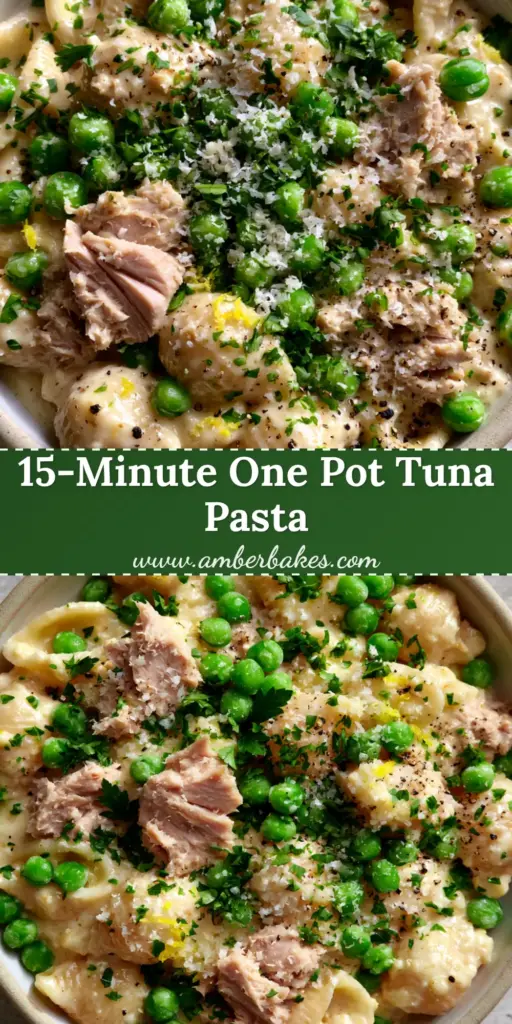
Imagine a shallow ceramic bowl where medium pasta shells act as tiny golden vessels, each one perfectly cradling a thick, glossy, ivory-colored parmesan cream sauce. Nestled between these shells are large, distinct flakes of light pink tuna, providing a meaty contrast to the delicate pasta. The entire dish is punctuated by a forest of vibrant green peas and a shower of finely chopped fresh Italian parsley.
To finish, a generous dusting of micro-planed parmesan cheese falls like snow over the surface, accented by the sharp bite of cracked black pepper and the aromatic brightness of yellow lemon zest. This is a dish designed for the modern home cook who demands both efficiency and elegance in every bite. Whether you are looking for a quick weeknight dinner or a refined lunch, this recipe delivers a sensory experience that is as beautiful as it is delicious.
Why This Elevated Tuna Pasta Recipe Works
- The Perfect “Scoop” Texture: Using medium shells instead of long noodles ensures that the sauce and peas are trapped inside the pasta, creating a burst of flavor in every single mouthful.
- A Glossy, Restaurant-Style Emulsion: By combining heavy cream with finely grated parmesan and a splash of starchy pasta water, we achieve a velvety, ivory-colored coating that clings to the shells without becoming oily.
- Vibrant Visual Contrast: The combination of the light pink tuna flakes against the bright green steamed peas creates a professional-level plate presentation that looks stunning under soft morning window light.
- Bright Flavor Profile: The inclusion of fresh lemon zest and cracked black pepper cuts through the richness of the dairy, ensuring the dish feels light and balanced rather than heavy.
The Anatomy of Gourmet Pantry Staples
To achieve the visual and textural perfection seen in our modern pasta guides, every ingredient must serve a specific structural purpose. We are not just making a sauce; we are building a glossy emulsion that must remain stable from the pan to the bowl.
Medium Pasta Shells (Conchiglie): 1 lb (450g). These are essential for their “cupping” ability, which allows the sauce and peas to nestle inside the pasta for a consistent texture in every bite.
High-Quality Canned Tuna: 2 cans (approx. 5oz/140g each). Look for “solid light” or “albacore” tuna packed in water or olive oil. The goal is to drain it carefully so we can maintain large, meaty flakes rather than a shredded mush.
Heavy Cream: 1.5 cups (360ml). This provides the foundational fat for our ivory sauce. It reduces into a thick, glossy coating that provides the “handheld smartphone photo” quality seen in professional food photography.
Parmesan Cheese: 1 cup (90g) finely grated for the sauce, plus extra for micro-planing. Use high-quality Parmigiano-Reggiano for the best meltability and a complex, nutty umami profile.
Frozen Sweet Peas: 1 cup (150g). These must be steamed separately or added at the very last second to ensure they retain their “bright pop” and vibrant green color against the pale sauce.
Fresh Italian Parsley: 1/4 cup (10g) finely chopped. This adds an earthy, herbal top note and essential visual specks of green that make the dish look fresh and vibrant.
Fresh Lemon: 1 whole lemon (zested and juiced). The yellow zest is a critical visual component, while the juice provides the acidity needed to lift the flavor of the fish and cream.
Unsalted Butter: 2 tbsp (30g). Used to sauté the aromatics and build the base of the sauce, adding a layer of silkiness to the final glossy finish.
Garlic: 3 cloves, minced. This provides an aromatic backbone that complements the parmesan without overpowering the delicate tuna.
Cracked Black Pepper & Sea Salt: To taste. The black pepper should be coarsely cracked to provide visible “specks” on the surface of the ivory sauce, just like in our creamy Mediterranean dishes.
The Essential Tools for a Professional Pasta Finish
To recreate the exact “top-down angled shot” look, you need a few specific tools that help manage texture and presentation. A large, heavy-bottomed skillet or Dutch oven is required to allow enough surface area for the sauce to reduce evenly.
A micro-plane is non-negotiable for this recipe; it creates that “generous dusting” of parmesan that looks like light lace on top of the pasta. You will also need a fine-mesh zester for the lemon and a sturdy silicone spatula to gently fold in the tuna flakes without breaking them apart into small pieces.
Mastering the Glossy Parmesan Emulsion: Step-by-Step
Achieving the Perfect Al Dente Shells
Bring a large pot of heavily salted water to a rolling boil. Add 1 lb (450g) of medium shells and cook for 1-2 minutes less than the package directions. You are looking for a firm “al dente” bite, as the pasta will continue to cook slightly when tossed in the hot cream sauce.
Before draining, reserve at least 1 cup (240ml) of the starchy pasta water. This liquid gold is the secret to getting that thick, glossy finish. Drain the pasta and set aside, but do not rinse it; the surface starch is what helps the ivory sauce adhere to the shells.
Building the Ivory Cream Base
In your large skillet, melt 2 tbsp (30g) of butter over medium heat until it begins to foam. Add the minced garlic and sauté for 30-60 seconds until fragrant but not browned. Pour in 1.5 cups (360ml) of heavy cream and bring to a gentle simmer.
Allow the cream to reduce by about one-third. You will know it is ready when it coats the back of a spoon and looks thick and opaque. This reduction is what creates the “glossy” appearance that is so critical for authentic food photography.
The Secret to the Parmesan Melt
Lower the heat to the minimum setting. Whisk in 1 cup (90g) of finely grated parmesan cheese one handful at a time. Whisk constantly until the cheese is completely melted and the sauce is perfectly smooth.
If the sauce looks too thick or “tight,” whisk in 2-4 tablespoons of the reserved pasta water. This will emulsify the fats and create that signature “thick glossy parmesan cream sauce” described in the visual blueprint.
Folding for Visual Integrity
Gently stir the cooked shells into the sauce until every shell is coated. Now, the most critical step: carefully fold in 2 cans (280g) of drained tuna and 1 cup (150g) of steamed peas. Use a folding motion to ensure the tuna stays in “large, distinct flakes” rather than disintegrating.
The heat from the pasta and sauce will warm the tuna and peas through in about 60 seconds. Remove from the heat immediately to prevent the sauce from breaking or the peas from losing their vibrant green hue.
The Final Flourish of Garnishes
Transfer the pasta to a shallow ceramic bowl. Immediately garnish with a “generous dusting” of micro-planed parmesan cheese. Sprinkle the finely chopped Italian parsley and a heavy hand of cracked black pepper over the top.
Finish with a bright scattering of yellow lemon zest. The zest should be clearly visible on the surface, providing a pop of color and an immediate hit of citrus aroma that signals freshness to anyone sitting at the table.
Expert Tips for a Picture-Perfect Pasta
- Keep the Tuna Cold Until the End: Don’t cook the tuna in the sauce. By folding it in at the very last second, you maintain the “light pink” color and structural integrity of the flakes.
- The “Gloss” Factor: If your sauce looks matte or dry, it needs more pasta water. The starch in the water acts as a bridge between the fat in the cream and the water, creating a reflective, glossy surface.
- Pea Preservation: Steam your peas separately and shock them in ice water if you have time. This locks in the “vibrant green” color so they don’t turn a muddy olive brown when they hit the warm sauce.
- Seasoning Strategy: Parmesan is naturally salty. Always taste your sauce before adding additional sea salt to avoid an over-seasoned dish.
Preserving the Glossy Texture: Storage and Reheating
This Creamy Parmesan tuna pasta is best served immediately to enjoy the peak of its creamy texture. However, if you have leftovers, they can be stored in an airtight container in the refrigerator for up to 2 days.
To reheat, avoid the microwave if possible, as it can cause the cream sauce to “break” and become oily. Instead, place the pasta in a small skillet over low heat. Add 1-2 tablespoons (15-30ml) of milk or water and stir gently until the sauce becomes glossy and creamy again. For more meal prep ideas, check out our easy summer dinner options.
What to Serve with Creamy Tuna Pasta
Since this dish is rich and decadent, it pairs beautifully with light, acidic side dishes. A crisp green salad with a lemon vinaigrette is the perfect palate cleanser. If you are hosting a summer gathering, consider serving this alongside a refreshing watermelon and feta salad for a mix of savory and sweet notes.
For a complete Mediterranean-inspired spread, you might also enjoy our chickpea cucumber salad. If you’re looking for more pasta variety for a potluck, this dish stands out next to an elote-inspired pasta dish.
Frequently Asked Questions
While heavy cream provides the glossiest texture, you can use whole milk combined with a larger amount of starchy pasta water and extra butter for a lighter version of the ivory sauce.
The secret is to drain the tuna well and fold it in at the very last second using a silicone spatula. Avoid over-stirring, which breaks the flakes into small pieces.
Both work well. Tuna in olive oil offers a richer flavor, while tuna in water provides a cleaner taste that allows the parmesan and lemon zest to shine more prominently.
Reheat on the stovetop over low heat with a splash of milk. This gently loosens the sauce and restores the glossy emulsion without making it greasy.
Clumping usually happens when the heat is too high. Ensure the sauce is on a very low simmer when adding the parmesan, and whisk constantly to ensure an even melt.
The Ultimate Creamy Parmesan Tuna Pasta Recipe
Creamy Parmesan Tuna Pasta with Shells and Vibrant Peas
Ingredients
Equipment
Method
- Boil the pasta shells in salted water until al dente. Reserve 1 cup (240ml) of pasta water before draining.
- Briefly steam the frozen peas until they are vibrant green and have a bright pop.
- In a large skillet, melt butter and sauté garlic for 1 minute until fragrant.
- Add heavy cream and simmer until reduced by one-third and the sauce looks ivory and thick.
- Whisk in the parmesan cheese on low heat until the sauce is glossy and smooth. Add pasta water if needed for consistency.
- Gently fold in the shells, tuna flakes, and peas. Heat through for 1 minute without breaking the tuna.
- Plate the pasta and top with micro-planed parmesan, chopped parsley, lemon zest, and cracked black pepper.
Notes
Use starchy pasta water to achieve a restaurant-style glossy finish.
Closing & Call to Action
This Creamy Parmesan tuna pasta proves that with a few professional techniques, pantry staples can become a masterpiece. The contrast of the ivory sauce, pink tuna, and vibrant peas makes it a visual and culinary triumph. If you enjoyed this recipe, please leave a comment below and share your results! Don’t forget to follow me and pin this recipe to your favorite boards on Pinterest for your next quick gourmet dinner.