When it comes to finding the perfect mango recipe, nothing beats the vibrant, tropical explosion of a professionally crafted mango salsa. This isn’t just a side dish; it is a masterclass in balance, combining the sugary depth of sun-ripened fruit with the sharp bite of red onion and the creeping heat of fresh jalapeño. Each bite is a curated experience designed to wake up your palate and transform any meal into a gourmet occasion.
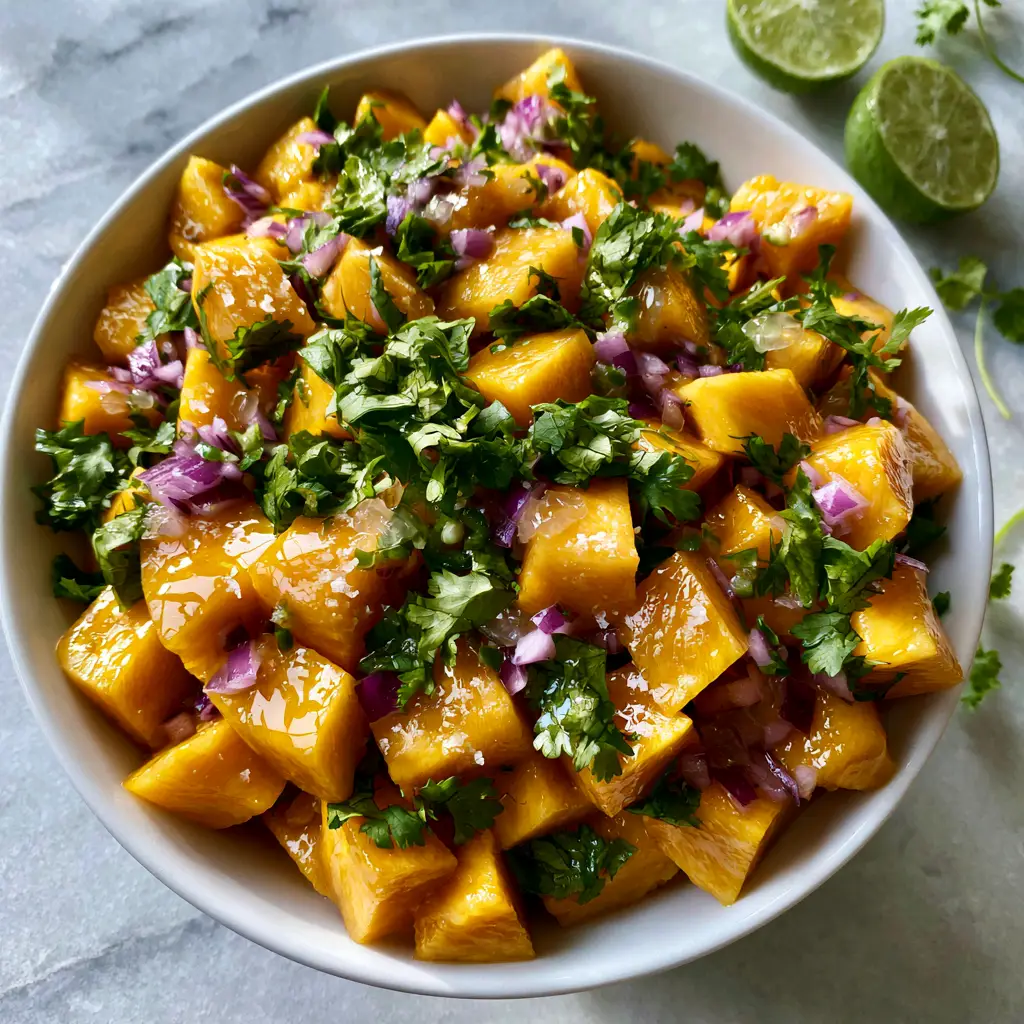
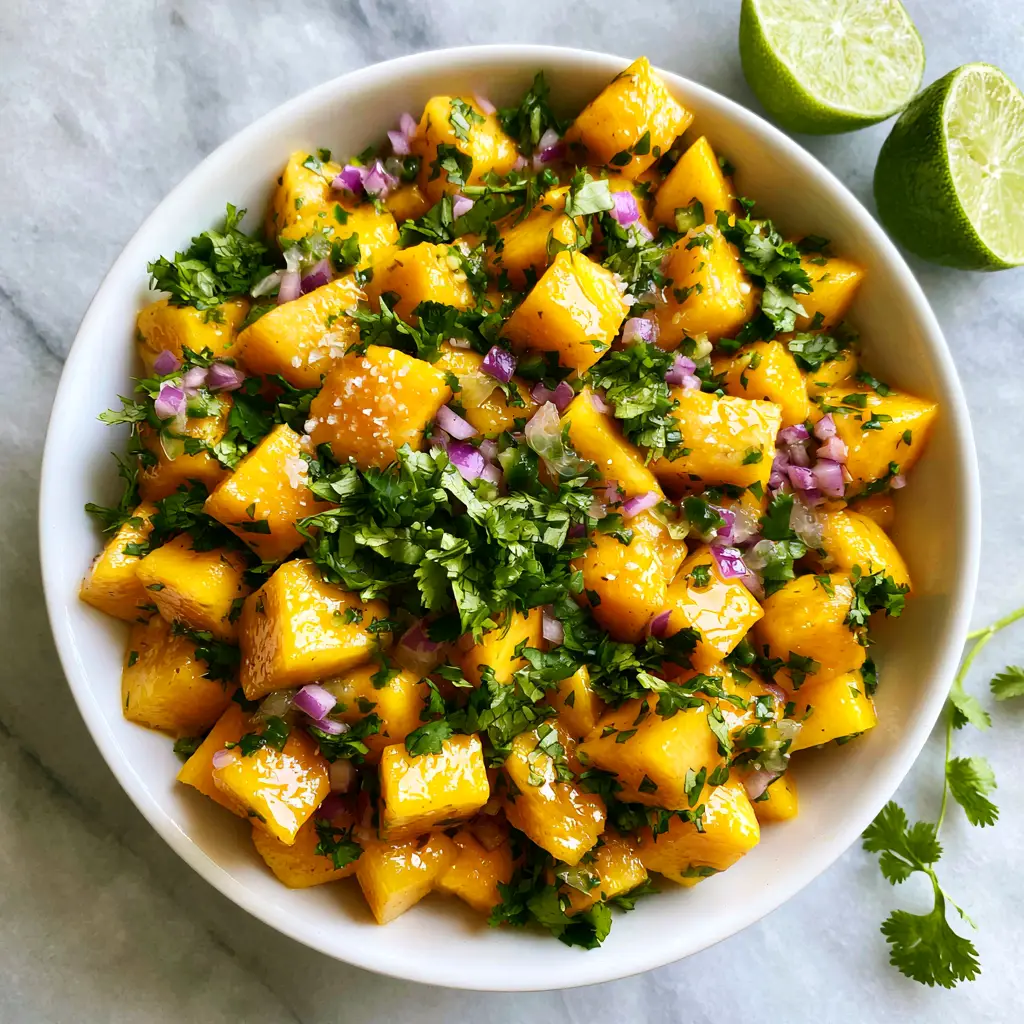
Imagine a bowl where every single cube of golden-orange mango is a perfect, sharp-edged geometry of flavor, glistening under a coating of fresh lime juice. The visual appeal is undeniable, featuring a striking contrast between the deep purple of the onion and the electric green of freshly chopped cilantro. Whether you are hosting a summer soirée or simply looking for a fresh mango delight to brighten your weeknight dinner, this recipe is the gold standard of fruit-based condiments.
Visual Beauty in a Bowl: The Anatomy of a Perfect Salsa
- Uniform Precision: Perfectly uniform, sharp-edged cubes of golden-orange mango provide the foundational texture and high-gloss reflections.
- Color Contrast: The deep purple of finely diced red onions creates a stunning visual counterpoint to the vibrant fruit.
- Translucent Heat: Minced green jalapeños are scattered throughout, offering translucent bits of spice that catch the light.
- Herbal Freshness: A generous amount of vibrant green, freshly chopped cilantro leaves adds organic movement and earthy aroma.
- Glistening Finish: Fresh lime juice creates a high-gloss sheen on every surface, while visible flakes of sea salt suggest a savory-sweet finish.
Achieving this level of culinary excellence requires more than just mixing ingredients; it requires an understanding of how to handle ways to use ripe mangoes to maintain their structural integrity. When you follow this guide, you aren’t just making a snack; you are building a professional-grade garnish that rivals any top-tier restaurant presentation.
The Building Blocks of Vibrant Flavor
Ripe Mangoes (3 Large / approx. 4 cups / 960ml): The soul of the recipe. You want fruit that gives slightly to pressure but maintains enough firmness to hold those sharp, clean edges when cubed.
Purple Red Onion (1/2 Small / approx. 1/2 cup / 120ml): This provides the essential crunch and a sharp, astringent contrast to the sugar in the fruit. Dicing it finely ensures it distributes evenly without overpowering the palate.
Fresh Cilantro (1/2 Bunch / approx. 1/4 cup / 60ml): Use only the leaves and tender upper stems for the best texture. Cilantro provides the signature herbal note that defines a classic traditional fruit salsa.
Green Jalapeño (1 Medium / approx. 1 tbsp / 15g minced): The heat source. Mincing it into tiny, translucent bits allows the spice to permeate the salsa without causing a “heat shock” in any single bite.
Fresh Lime Juice (2 Large Limes / approx. 3 tbsp / 45ml): The acid component. Lime juice doesn’t just add flavor; it acts as a visual enhancer, making the fruit glisten and preventing oxidation.
Flaky Sea Salt (1 tsp / 5g): Unlike table salt, flaky sea salt provides tiny bursts of salinity. You should be able to see these white flakes sitting on the surface of the mango cubes in the final presentation.
Extra Virgin Olive Oil (Optional / 1 tsp / 5ml): An invisible foundational ingredient. A tiny amount of high-quality oil helps the lime juice and salt adhere to the mango cubes, creating that professional high-gloss finish.
Essential Tools for Precision Cutting
To achieve the “ultra-crisp” look described in our visual blueprint, your tools matter just as much as your ingredients. A dull knife will bruise the mango and crush the cilantro, resulting in a muddy, dull-looking salsa rather than the sharp-edged masterpiece we are aiming for.
You will need a high-carbon steel chef’s knife for the mango and onion, and a sharp paring knife for the delicate work of seeding the jalapeño. A premium white ceramic bowl is the ideal vessel for serving, as the neutral background allows the golden-orange and purple hues to pop. Finally, a clean marble countertop provides the perfect heat-neutral surface for prep work, ensuring your fruit stays cool and firm throughout the process.
Mastering the Art of the Perfect Dice
Preparing the Mango Cubes
Start by slicing the “cheeks” off the mango, avoiding the large flat pit in the center. Use your chef’s knife to score a grid pattern into the flesh, being careful not to pierce the skin. The goal is to create perfectly uniform 1/2-inch (1.25cm) cubes. Invert the skin so the cubes pop out, then gently slice them off at the base. This method ensures the sharp edges required for a professional mango recipe.
Handling the Aromatics and Heat
For the red onion, use a “brunoise” technique to get the finest dice possible. If the onion is particularly potent, soak the diced pieces in ice water for 5 minutes and pat dry; this removes the harsh sulfur smell while retaining the crisp texture. For the jalapeño, remove the seeds and white ribs completely if you prefer a mild salsa. Mince the green flesh until it resembles tiny emeralds.
The Final Assembly and Glisten
Place your mango, onion, jalapeño, and cilantro into your ceramic bowl. Squeeze the fresh lime juice directly over the top. Add your flaky sea salt last, sprinkling it from a height to ensure even distribution. Gently fold the ingredients with a silicone spatula rather than a metal spoon to avoid bruising the delicate fruit surfaces. Look for that high-gloss reflection on the mango cubes—that’s your cue that the lime juice has coated everything perfectly.
Professional Secrets for Salsa Perfection
- Temperature Control: Always chill your mangoes before cutting. Cold fruit is firmer and holds its shape better than room-temperature fruit, which can become mushy.
- The Cilantro Trick: Wash your cilantro, but make sure it is bone-dry before chopping. If it’s wet, it will clump together and look bruised rather than vibrant and leafy.
- Let it Marinate: While this salsa looks best when fresh, the flavor peaks after 15 minutes of resting. This allows the salt to draw out a tiny bit of mango juice, creating a natural syrup with the lime.
- Visual Garnish: Always save a few whole cilantro sprigs and lime halves to place next to the bowl. This frames the dish and signals the fresh ingredients to the diner.
Preserving That Just-Made Freshness
This mango recipe is best enjoyed within 4 hours of preparation to maintain the “ultra-crisp” texture and sharp edges of the fruit. However, leftovers can be stored in an airtight container in the refrigerator for up to 2 days. Be aware that the salt will continue to draw moisture out of the fruit, so it will become more “saucy” over time.
We do not recommend freezing this salsa. The freezing process breaks down the cellular structure of the mango and onion, resulting in a soft, watery consistency once thawed. If you have excess mango, consider blending it into a smooth mango lassi or using it for creamy mango sago instead.
The Perfect Culinary Companions
This salsa is a versatile powerhouse that pairs beautifully with a variety of proteins and styles. The acidity and sweetness make it the ultimate topper for crispy fish tacos or a plate of zesty grilled shrimp. The citrus notes cut through the richness of seafood perfectly.
If you are looking for a complete meal, serve this alongside a hearty traditional savory dish or as a refreshing side to an Asian-inspired chicken salad. It also functions as a sophisticated appetizer when served with thick-cut blue corn tortilla chips or toasted baguette slices.
Frequently Asked Mango Questions
It is best served fresh, but you can prep the ingredients 4-6 hours ahead. Add the lime juice and salt just before serving to keep the fruit glistening and crisp.
Ensure your mangoes are slightly firm and well-chilled before cutting. Use a very sharp knife to make clean slices without applying downward pressure.
Use a white ceramic bowl for contrast, sprinkle flaky sea salt from a height so it stays visible on the fruit, and add a few whole cilantro sprigs as a final garnish.
It has a mild kick from the jalapeño, but you can control the heat by removing the seeds and white ribs, which contain the majority of the capsaicin.
Ataulfo (honey) mangoes are ideal for their buttery texture and lack of fibers, but Kent or Tommy Atkins varieties are great if you want firmer, sharp-edged cubes.
The Official Mango Recipe Guide
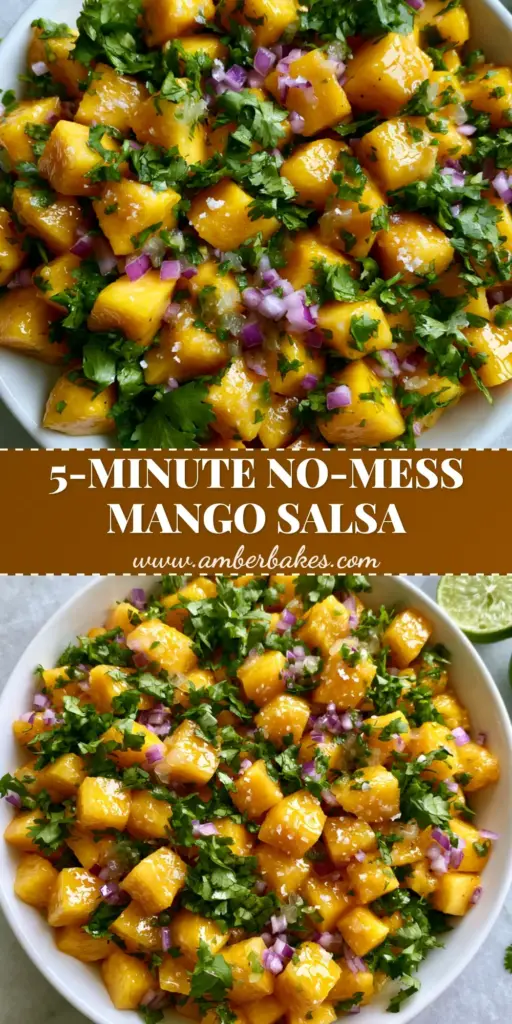
Mango Recipe: The Ultimate Fresh Mango Salsa for Tacos and Grilling
Ingredients
Equipment
Method
- Score the mango cheeks into 1/2-inch grids and remove the cubes, ensuring sharp, clean edges.
- Finely dice the red onion and mince the jalapeño into translucent bits.
- Roughly chop the fresh cilantro leaves, discarding any thick stems.
- Combine all ingredients in a ceramic bowl, add lime juice and flaky salt, and toss gently to create a high-gloss finish.
Notes
Soak onions in ice water to reduce their bite.
Closing & Call to Action
Crafting the perfect mango recipe is an exercise in color, texture, and balanced seasoning. By focusing on precision cutting and high-quality ingredients, you can create a salsa that is as visually stunning as it is delicious. This dish is a testament to the beauty of fresh produce and the impact of professional culinary techniques at home.
Did you make this recipe? We would love to see your sharp-edged mango cubes! Leave a comment below and tell us what you paired it with. Don’t forget to follow amber_bakes on Pinterest and save this recipe to your favorite boards for your next summer gathering!