Maroulosalata is not your average side salad; it is a masterclass in texture, a towering mountain of emerald greens that defies the standard “tossed salad” trope. While many are familiar with the chunky, tomato-heavy traditional Greek salad, this lettuce-based version offers a sophisticated, ultra-fine texture that is both refreshing and deeply savory. Its beauty lies in the meticulous preparation of the romaine, which must be shredded into silken threads to capture the creamy feta dressing in every single bite.
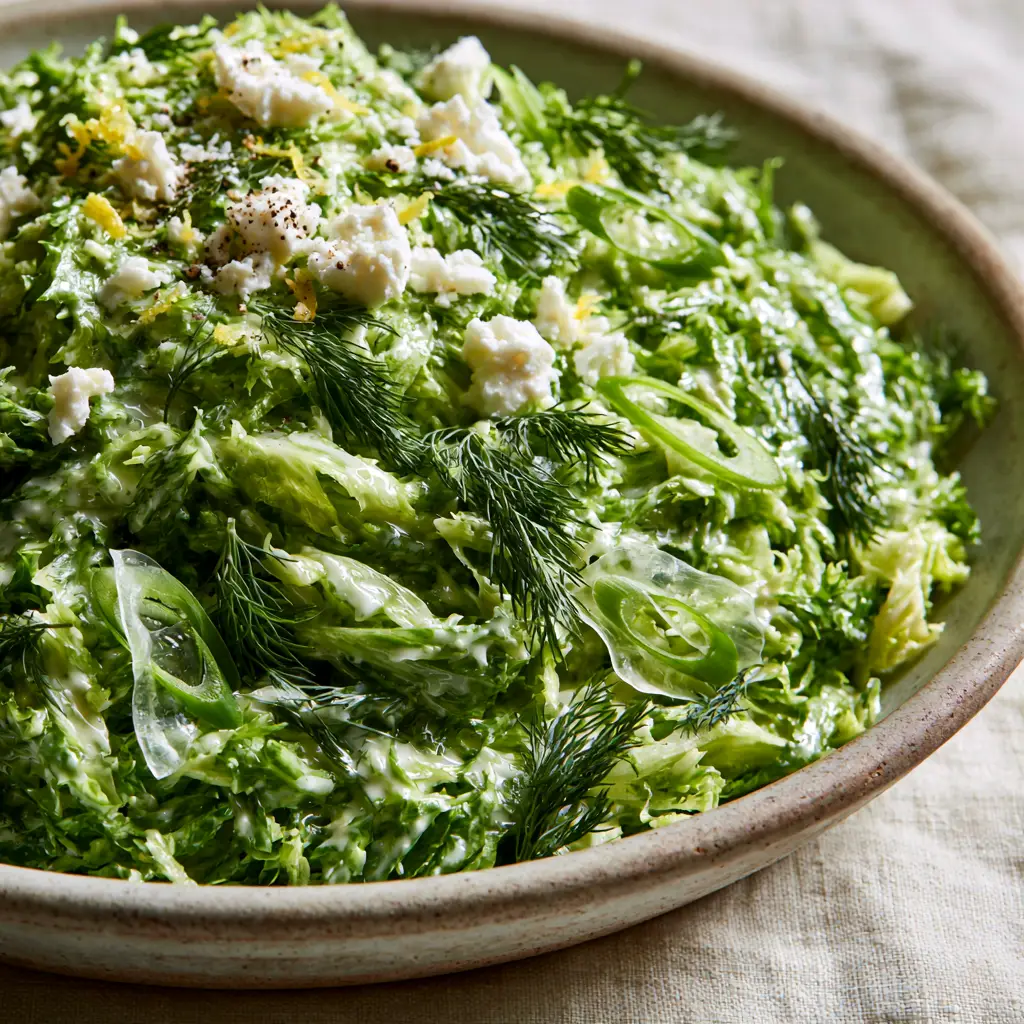
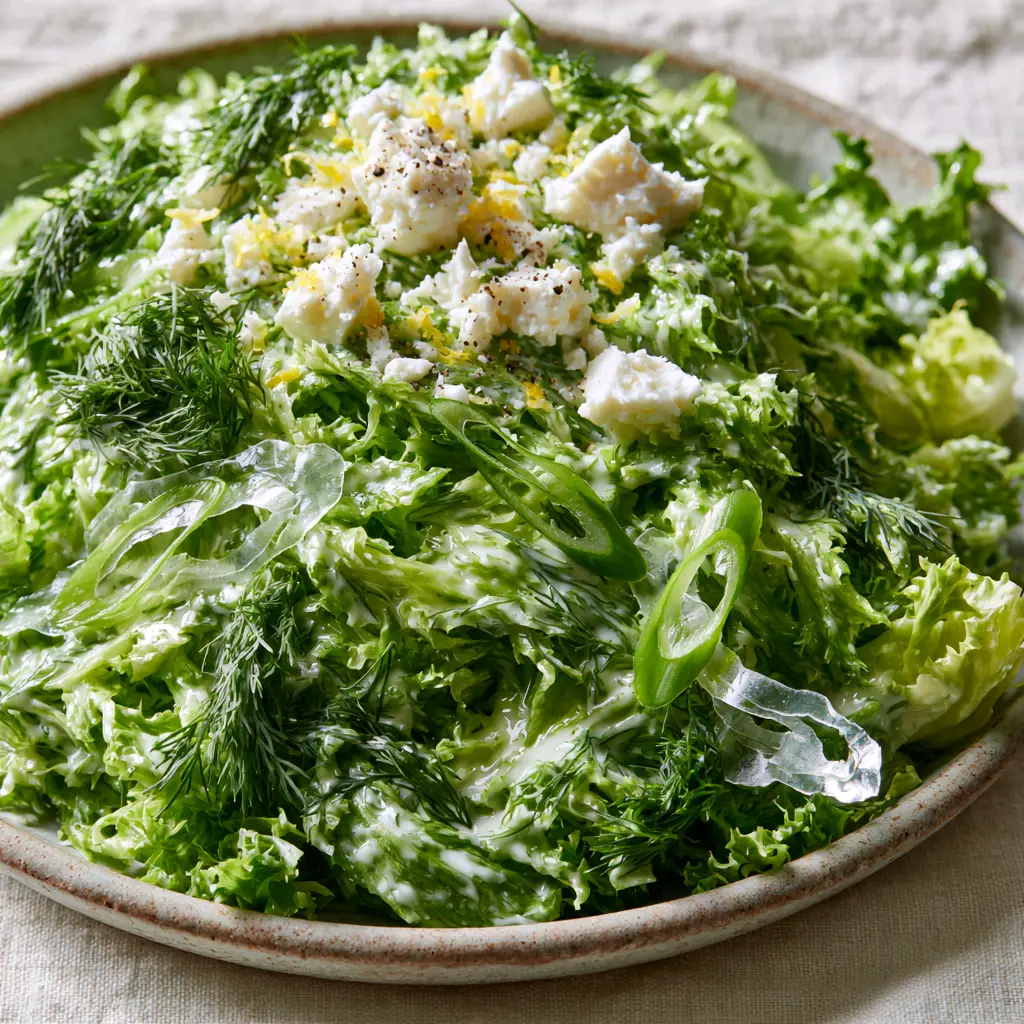
The visual appeal of a perfectly executed Maroulosalata is undeniable: a dense mound of vibrant lettuce glistening under a soft, natural light, adorned with feathery dill and translucent scallion rings. This dish represents the intersection of rustic Mediterranean flavors and precise culinary technique. Whether you are hosting a summer dinner party or seeking a nutrient-dense lunch, this salad delivers a sensory experience that is crisp, zesty, and undeniably luxurious.
In this guide, we will explore the forensic details of constructing the perfect Maroulosalata, from the specific knife cuts required for the greens to the emulsification of the feta-infused vinaigrette. We will ensure your final result perfectly matches the vision of a mountain-high, herb-flecked masterpiece that looks just as good as it tastes.
Why This Maroulosalata Strategy Outshines All Other Salads
- Textural Superiority: The “ultra-finely shredded” technique creates a soft, almost velvety mouthfeel that allows the dressing to coat every surface area, unlike large, clunky leaves.
- Aromatic Depth: The heavy concentration of fresh dill and paper-thin scallions provides a continuous stream of herbal notes that balance the richness of the sheep’s milk feta.
- Visually Stunning Presentation: When piled high in a rustic ceramic bowl, the contrasting whites of the feta crumbles and the bright emerald of the lettuce create a professional, chef-quality aesthetic.
- Balanced Flavor Profile: The combination of sharp lemon zest, pungent cracked black pepper, and a silky feta dressing hits every taste bud—salty, sour, and fresh.
The Essential Components for a Perfectly Textured Maroulosalata
To achieve the specific visual and structural results of this Maroulosalata, every ingredient must serve a culinary purpose. We are not just tossing leaves; we are building a foundation of flavor.
Romaine Lettuce Hearts (Approx. 3 large hearts / 600g): The backbone of the dish. You must select tightly packed hearts to ensure the “ultra-fine shred” remains crisp and vibrant rather than wilted. Much like selecting the freshest summer produce, look for heavy, firm heads with no browning at the base.
Fresh Dill (1 large bunch / 30g): This provides the “feathery sprigs” mentioned in the blueprint. Dill is the aromatic soul of the Maroulosalata, offering a sweet, grassy finish that defines the dish.
Scallions / Green Onions (6-8 stalks / 100g): These must be sliced “paper-thin” and translucent. They provide a mild, peppery bite without the overwhelming heat of red or yellow onions.
Creamy Feta Dressing Base: You will need 1/2 cup (120ml) of high-quality Extra Virgin Olive Oil and 3 tbsp (45ml) of fresh lemon juice. These serve as the liquid medium for the “silky coating.”
French or Greek Sheep’s Milk Feta (4 oz / 115g): We use this in two ways—part is emulsified into the dressing for creaminess, and the rest is kept as “small, sharp crumbles” for the topping. Sheep’s milk feta is essential for that bright white color and tangy profile.
Invisible Foundational Ingredients: You will need 1/2 tsp (3g) of kosher salt to draw out the essence of the herbs, 1 tsp (5g) of Dijon mustard to act as a stabilizer for the vinaigrette, and 1 clove of garlic, finely grated, for an aromatic undertone.
Finishing Accents: Fresh lemon zest (from one lemon) and 1 tsp (2g) of coarsely cracked black pepper are the final “crown” that provides the macro-detail highlights in our visual blueprint.
Tools Required for Professional Salad Architecture
Achieving the “macro close-up” quality of this Maroulosalata requires more than just a bowl and a spoon. You need precision tools to handle the delicate greens.
- A Sharp Chef’s Knife or Mandoline: This is non-negotiable for the “ultra-finely shredded” lettuce and “translucent” scallions. A dull blade will bruise the lettuce, causing it to lose its emerald luster.
- Large Salad Spinner: After washing the romaine, it must be bone-dry. Any residual water will dilute the creamy feta dressing and prevent it from “glistening” as intended.
- High-Speed Blender or Immersion Blender: Essential for creating the “silky coating” of the feta dressing by fully emulsifying the oil, lemon, and a portion of the cheese.
- Microplane: For creating those “tiny bits of lemon zest” that catch the light on the top of the mountain.
Step-by-Step Construction of the Maroulosalata Mountain
Precision Prep of the Greens and Herbs
Begin by separating the romaine leaves. Stack 4-5 leaves on top of each other, roll them tightly like a cigar (chiffonade technique), and slice them into ribbons no wider than 1/8 inch (3mm). This creates the “mountain” volume. Place the shredded lettuce into ice-cold water for 5 minutes, then spin it until completely dry.
Next, focus on the scallions. Slice them on a sharp bias, aiming for “paper-thin” rounds that are almost see-through. Finely chop the dill, but leave a few “feathery sprigs” whole to ensure they are “visible throughout” the final heap of greens as described in the Midjourney prompt.
Emulsifying the Silky Feta Vinaigrette
In a blender, combine the olive oil, lemon juice, Dijon mustard, grated garlic, and 2 oz (55g) of the feta cheese. Process on high until the mixture is completely smooth and reaches a “creamy white” consistency. The feta acts as a natural thickener, creating a dressing that clings to the lettuce without weighing it down. Season with a pinch of salt, but be cautious as the feta is naturally briny.
Tossing for the Glistening Effect
In a very large rustic bowl, combine the shredded romaine, the sliced scallions, and the chopped dill. Pour the creamy dressing over the greens. Use your hands or large salad tongs to toss the mixture thoroughly. You are looking for a “silky coating”—every strand of lettuce should be glistening, but there should be no pool of liquid at the bottom of the bowl. This ensures the “dense mound” structure remains stable.
The Final Artistic Crowning
Transfer the tossed salad into your matte ceramic bowl, piling it high into a mountain shape. Take the remaining 2 oz (60g) of feta and crumble it by hand into “small, sharp crumbles” over the top. Use a microplane to shower the salad with lemon zest. Finally, add a light dusting of coarsely cracked black pepper. The contrast of the white cheese against the vibrant emerald lettuce is the signature visual cue of an authentic Maroulosalata.
Expert Tips for Culinary Success
- The Temperature Factor: Always chill your serving bowl before assembly. A cold bowl helps maintain the “crisp edges of the lettuce” mentioned in our visual prompt, preventing the greens from wilting under the weight of the dressing.
- Dressing Control: Do not dress the salad until the exact moment you are ready to serve. Because the lettuce is shredded so finely, it has more surface area and will soften quickly once acidic lemon juice is applied.
- The “Feta Trick”: If your dressing feels too thin, add another tablespoon of crumbled feta and blend again. This creates that “creamy white” aesthetic without needing heavy cream or mayo.
- Pepper Quality: Use a pepper mill on the coarsest setting. The “dusting of cracked black pepper” should be visible as distinct specs, providing both visual contrast and bursts of heat.
Shelf Life and Make-Ahead Strategies
Maroulosalata is a “live” salad, meaning it is at its peak immediately after tossing. The finely shredded romaine will begin to lose its structural integrity after about 30 minutes of being dressed. However, you can prep the components in advance.
Store the shredded lettuce, scallions, and dill in a container lined with a damp paper towel for up to 24 hours. The creamy feta dressing can be kept in a sealed jar in the refrigerator for up to 3 days. When you are ready for a quick lunch, simply toss and serve. This salad makes an incredible base for protein; try topping it with Pan-Seared Rainbow Trout for a light yet satisfying meal.
What to Serve With This Vibrant Greek Salad
The zesty, herbal profile of Maroulosalata makes it a versatile companion for many dishes. It acts as a palate cleanser for rich, savory proteins. It is traditionally served alongside roasted lamb, but it also pairs beautifully with Spicy Honey Lime Chicken for a fusion twist.
If you are planning a full Mediterranean spread, start with this salad, then move to a main course of Baked Rainbow Trout or even Haitian Spaghetti if you want to experiment with bold, global flavors. For a refreshing beverage pairing, a Candied Watermelon Margarita provides a sweet counterpoint to the salty feta and tart lemon of the salad.
For dessert, keep the theme light and airy. A bowl of Homemade Watermelon Ice Cream or Frozen Yogurt Pops will round out the meal without feeling overly heavy.
Frequently Asked Questions
You can prep the shredded lettuce, scallions, and herbs up to 24 hours in advance and store them in an airtight container with a damp paper towel. Blend the dressing separately, but do not combine them until you are ready to plate the salad.
Authentic Maroulosalata strictly uses romaine lettuce. The sturdy structure of romaine hearts allows them to be shredded very thinly while still maintaining a crisp texture that can stand up to the silky dressing.
The secret is to ensure the shredded lettuce is bone-dry using a salad spinner and to only add the dressing immediately before serving. Because the lettuce is shredded so finely, it wilts faster than standard tossed salads.
Traditional versions often use a simple olive oil and lemon vinaigrette. However, blending a portion of the feta into the dressing is a popular modern technique to achieve that ‘glistening, silky coating’ and a richer flavor profile.
While Horiatiki is a tomato and cucumber-based salad without lettuce, Maroulosalata is a dedicated lettuce salad. It focuses on ultra-fine shredding of romaine hearts and uses a heavy concentration of fresh dill and scallions, often finished with a creamy feta-based dressing.
Authentic Maroulosalata Recipe Card
Maroulosalata: The Ultimate Guide to the Authentic Creamy Greek Lettuce Salad
Ingredients
Equipment
Method
- Wash and dry romaine hearts. Stack leaves and slice into ultra-fine 1/8 inch ribbons. Spin again to ensure they are bone-dry.
- Slice scallions into paper-thin, translucent rounds. Finely chop the dill, keeping some feathery sprigs whole for visual texture.
- In a blender, combine olive oil, lemon juice, Dijon, garlic, and 2oz of feta. Blend until silky and creamy white.
- In a large bowl, toss the lettuce, scallions, and dill with the dressing until glistening and evenly coated.
- Mound the salad high in a bowl. Top with the remaining feta crumbles, lemon zest, and cracked black pepper.
Notes
Dress only right before serving to prevent wilting.
Use a mandoline for the most translucent scallion slices.
Experience the Refreshing Crunch of Maroulosalata
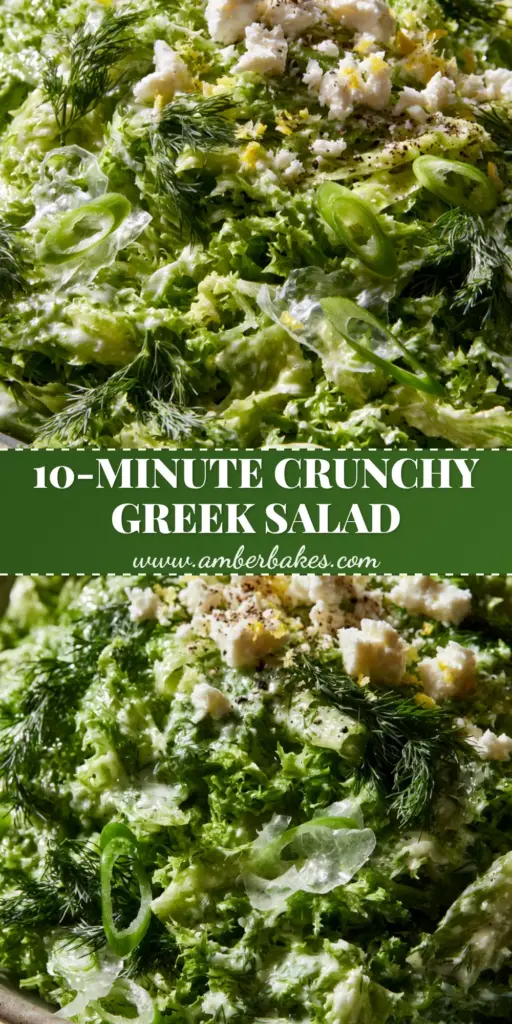
Crafting a Maroulosalata is an act of culinary mindfulness. By taking the time to finely shred the romaine and emulsify a custom feta dressing, you transform humble ingredients into a centerpiece-worthy dish. The result is a glistening mountain of greens that offers a crisp, zesty, and herbal explosion in every bite. We invite you to try this technique and see how the texture completely changes your perception of a lettuce salad.
Did you achieve the perfect “mountain” height? Let us know in the comments below or tag us in your photos! For more visual inspiration and recipe ideas, be sure to follow amber_bakes on Pinterest and share this recipe with your fellow home cooks.