When it comes to refreshing and versatile mango recipes, nothing captures the essence of summer quite like a vibrant, hand-chopped salsa. This specific preparation isn’t just a side dish; it is a culinary centerpiece designed to bring a burst of golden-orange color and tropical flavor to your table.
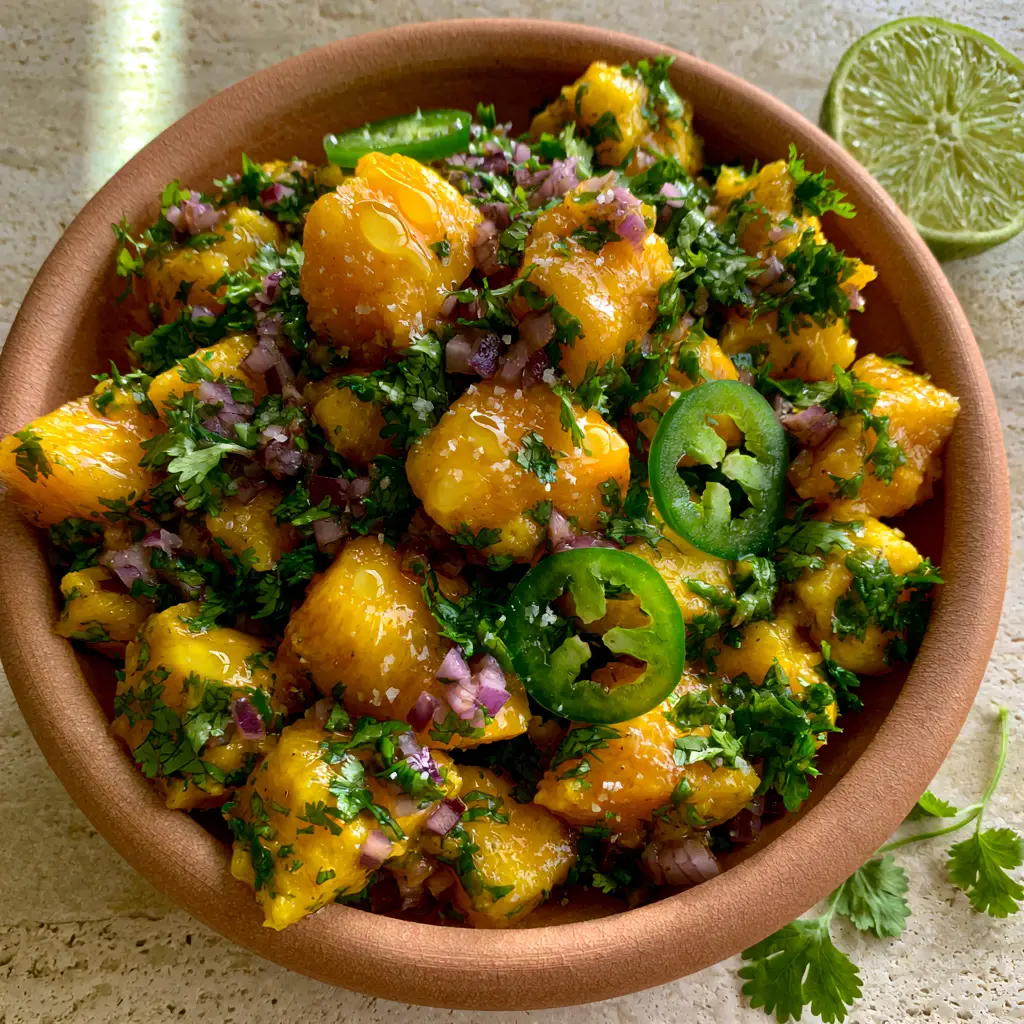
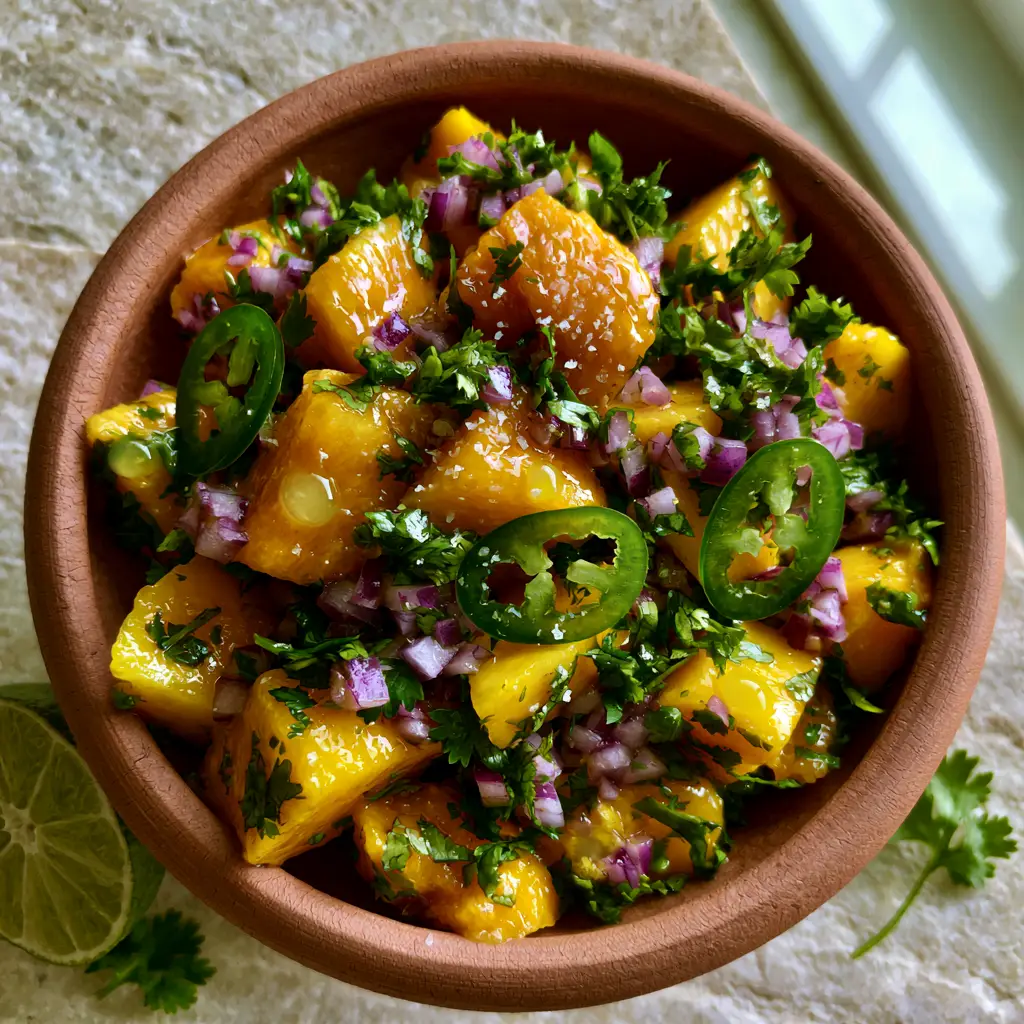
The beauty of this recipe lies in its structural integrity and color contrast. We are looking for large, glistening cubes of mango paired with the sharp bite of purple red onion and the emerald brightness of fresh cilantro. It is a visual and sensory masterpiece that elevates any meal it touches.
Whether you are looking for new ways to use fresh mango or searching for the perfect topping for grilled proteins, this recipe delivers on every front. The combination of sweet, heat, and acid creates a balanced profile that keeps guests coming back for more.
Why This Is One of the Best Mango Recipes You Will Ever Make
- Texture Contrast: The large-diced mango provides a soft, succulent mouthfeel that contrasts perfectly with the fine crunch of minced red onion.
- Visual Brilliance: The jewel-toned colors of golden mango, purple onion, and green jalapeno make this a “macro-shot” worthy dish.
- Flavor Balance: Fresh lime juice and zest cut through the sweetness of the fruit, while flaky sea salt enhances every individual note.
- Versatility: This salsa is a foundational component for dozens of other recipes for ripe mangoes, from tacos to salads.
The Anatomy of Zesty Mango Salsa Ingredients
To achieve the specific visual and flavor profile described in our blueprint, every ingredient must be selected and prepared with intention. High-quality produce is the secret to success here.
Ripe Mangoes (2 Large): You need approximately 3 cups (710ml) of large-diced fruit. The mangoes should be ripe but firm enough to hold their shape in clean, glistening cubes without turning into mush.
Red Onion (1/2 cup / 75g): Finely minced to ensure that the pungent flavor is distributed evenly. The purple hue provides a stunning color contrast against the orange mango flesh.
Fresh Cilantro (1/4 cup / 10g): Bright emerald leaves, chopped finely to release their aromatic oils. Cilantro adds a necessary herbal top note that defines authentic fruit salsa profiles.
Jalapeno (1 Medium): De-seeded and minced finely to provide a controlled heat. The vibrant green skin of the pepper adds another layer of visual depth to the handcrafted bowl.
Fresh Lime (1 Large): You will use both the zest and the juice. The lime juice creates those “glistening” droplets seen in professional food photography, while the zest adds concentrated citrus aroma.
Flaky Sea Salt (to taste): Unlike table salt, flaky sea salt catches the light and provides a localized burst of flavor. It is the final touch that makes the mango’s sweetness pop.
Essential Equipment for Professional Results
You don’t need a kitchen full of gadgets for these mango recipes, but a few specific tools will help you achieve that professional, high-quality look. Precision is key to the aesthetic.
A sharp Chef’s Knife is non-negotiable for creating those distinct, large cubes of mango and the fine mince of the onion. A dull knife will bruise the cilantro and tear the mango, leading to a watery salsa.
A Microplane or fine zester is required to remove the lime zest without hitting the bitter white pith. For the best visual presentation, serve this in a handcrafted matte terracotta bowl to let the colors of the fruit truly shine.
Mastering the Cut: Step-by-Step Instructions
Phase 1: Prepping the Tropical Star
Begin by slicing the mangoes away from the flat central pit. Use your knife to score the flesh into a large grid pattern, roughly 1/2 inch (1.25cm) square.
Invert the mango skin to push the cubes outward, then carefully slice them off the skin into a large mixing bowl. You should see distinct, glistening cubes that maintain their structural integrity.
Phase 2: The Aromatic Foundation
Mince the red onion as finely as possible. We want the flavor of the onion to support the mango, not overwhelm it with large, crunchy chunks.
De-seed the jalapeno carefully to remove the ribs and seeds, which carry the most intense heat. Finely dice the green flesh to add small, vibrant flecks of color throughout the mixture.
Phase 3: The Citrus and Herb Infusion
Zest the lime directly over the mango cubes to capture the essential oils. Follow this by squeezing the juice of the entire lime over the fruit, ensuring every cube is lightly coated and glistening.
Roughly chop the fresh cilantro and fold it gently into the bowl. Over-mixing will cause the mango to break down, so use a light hand to preserve the distinct textures.
Phase 4: The Final Flourish
Transfer the salsa into your terracotta serving bowl. Pile the ingredients high to create depth and shadow, just like in a professional macro shot.
Just before serving, sprinkle a generous pinch of flaky sea salt over the top. The salt crystals should be visible, catching the light alongside the fresh lime droplets.
Expert Tips for Success with Mango Recipes
- The Ripeness Test: Gently squeeze the mango; it should give slightly, similar to a ripe avocado. If it’s too soft, the dice won’t be clean.
- Chill for Depth: While beautiful when freshly made, letting the salsa sit for 15-30 minutes allows the lime juice to macerate the onions, softening their bite.
- Herb Preservation: Always chop your cilantro last. This prevents it from wilting or turning dark before the dish hits the table.
- Color Protection: The acidity in the lime juice helps keep the colors vibrant, but for the best look, add the salt only at the moment of serving to prevent the fruit from weeping too much liquid.
Storage, Reheating, and Freshness
This fresh salsa is best enjoyed the day it is made to maintain the “glistening” appearance of the fruit. However, leftovers can be stored in an airtight container in the refrigerator for up to 2 days.
Note that the purple color from the red onion may bleed slightly into the mango over time, and the cilantro will lose its bright emerald hue. Do not freeze this recipe, as the cellular structure of the mango will collapse, resulting in a mushy texture upon thawing.
What to Serve With This Vibrant Salsa
This recipe is an incredible companion to a variety of savory dishes. Its bright acidity makes it the perfect foil for fatty meats or charred vegetables.
Try spooning a generous amount over grilled fish tacos for a classic coastal vibe. The sweetness of the mango perfectly complements the smoky char of the fish.
It also works beautifully as a topping for peruvian chicken and rice, providing a fresh contrast to the warm spices of the poultry. For a lighter option, toss it into a bowl of greens or serve it alongside a crisp chicken salad.
Frequently Asked Questions
You can prep the ingredients 2-4 hours in advance, but keep the mango, onion, and jalapeno separate from the lime juice and salt. Combine them 15 minutes before serving for peak freshness.
Always remove the seeds and white membranes (ribs) of the jalapeno. If it is still too hot, add a small teaspoon of honey or agave nectar to balance the spice with sweetness.
Avoid over-mixing the ingredients, which breaks down the fruit’s cell walls. Also, wait to add the flaky sea salt until immediately before serving, as salt draws out moisture.
For the best results, use Tommy Atkins or Kent mangoes. They are less fibrous than other varieties, allowing for clean, large-diced cubes that hold their shape.
Slice the two ‘cheeks’ off the pit, score a grid into the flesh without piercing the skin, then scoop the cubes out with a large spoon for perfectly uniform pieces.
The Ultimate Fresh Mango Salsa Recipe
Mango Recipes: The Ultimate Fresh and Vibrant Mango Salsa
Ingredients
Equipment
Method
- Slice the mango flesh away from the pit. Score into large 1/2 inch cubes and scoop into a bowl, ensuring they remain glistening and intact.
- Finely mince the red onion and de-seeded jalapeno. Add them to the bowl with the mango.
- Zest the lime directly over the mixture, then squeeze the juice over the cubes. Add chopped cilantro.
- Gently fold the ingredients together. Transfer to a terracotta bowl and finish with a sprinkle of flaky sea salt.
Notes
Add salt only just before serving to keep the fruit from releasing too much water.
Closing & Call to Action
This vibrant salsa is a testament to how simple mango recipes can be transformed into high-end culinary experiences through proper technique and visual styling. The combination of large-diced fruit and zesty aromatics is sure to become a staple in your summer kitchen.
If you enjoyed this recipe, please leave a comment below and let us know how you served it! Don’t forget to follow us and share your creations to Pinterest so others can find their new favorite tropical treat.