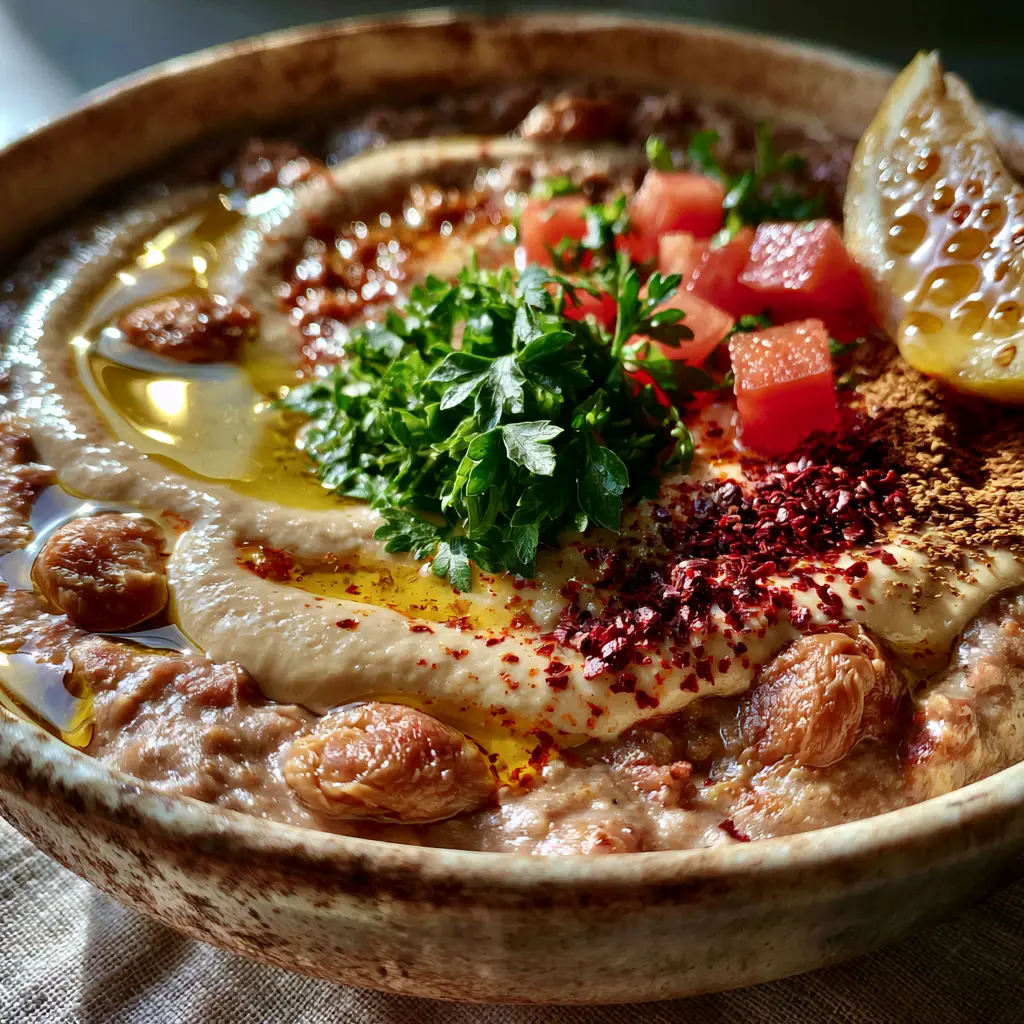
Imagine waking up to the soft, warm morning sunlight streaming through your kitchen window, illuminating a rustic ceramic bowl filled with the most comforting dish in the Middle East. Ful medames is not just a meal; it is a cultural cornerstone, a protein-packed powerhouse that has fueled generations from the streets of Cairo to the Levant. This dish captures the perfect balance of earthy, creamy, and zesty flavors, all while being remarkably simple to prepare in your own kitchen.
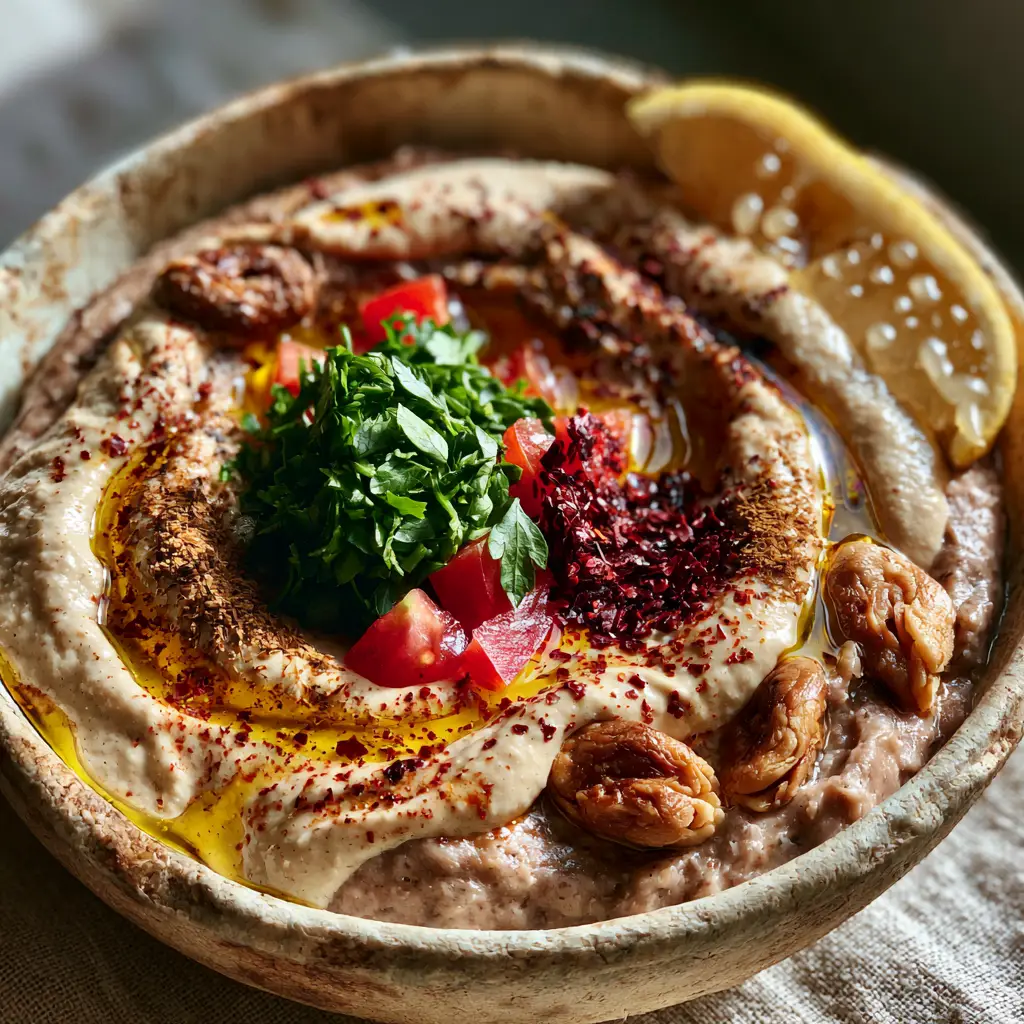
When you look at a perfectly prepared bowl of Ful medames, you see a masterpiece of textures. The base consists of a thick, savory fava bean mash, but the beauty lies in the contrast of the whole, tender beans nestled within. Swirls of velvety, pale-beige tahini and deep, shimmering pools of golden extra virgin olive oil create a visual and sensory experience that makes this dish truly irresistible. It is a vibrant tapestry of color, from the bright green parsley to the ruby-red diced tomatoes.
Whether you are looking to expand your repertoire of traditional Arabic breakfast recipes or simply want a healthy, plant-based meal that keeps you full until dinner, this recipe is the answer. We are going to dive deep into the science of bean mashing, the art of the tahini drizzle, and the specific garnishing techniques required to achieve that high-end, photo-ready finish. Prepare your pita bread; it is time to master the art of Egyptian soul food.
Why You Will Love This Creamy Egyptian Breakfast Staple
- Structural Contrast: The combination of a silky bean purée with whole, intact fava beans provides a sophisticated mouthfeel that differentiates this from a standard bean dip.
- Nutrient-Dense Fuel: Packed with plant-based protein and high-fiber complex carbohydrates, this dish provides sustained energy without the mid-morning sugar crash.
- Visual Brilliance: The contrast between the earthy brown beans, the golden oils, and the vibrant red and green garnishes makes it a stunning centerpiece for any Arabic breakfast spread.
- Customizable Flavor Profile: While we stick to the authentic Egyptian blueprint, the levels of cumin, lemon, and Aleppo pepper can be adjusted to your specific palate preferences.
The Essential Pantry Staples for Authentic Ful medames
To achieve the specific visual and flavor profile described in our blueprint, every ingredient serves a dual purpose: structural integrity and sensory delight. Here is what you will need for the perfect bowl.
Fava Beans (Broad Beans): 2 cans (15 oz / 425g each) of cooked fava beans. You want beans that are tender enough to mash but high enough quality to remain whole when stirred; if using dried, they require a 12-hour soak and a long simmer.
Extra Virgin Olive Oil: 1/4 cup (60ml) for the dish, plus extra for the “pools.” The oil must be high-quality and cold-pressed, as it provides the shimmering golden highlights seen in the morning sun.
Tahini Paste: 3 tbsp (45g) of premium hulled tahini. This creates the “velvety pale-beige” swirls that cut through the earthiness of the beans with a nutty, creamy finish.
Fresh Lemon Juice: 2 tbsp (30ml), plus 1 fresh lemon wedge for garnish. The acidity is chemically necessary to brighten the dense starches of the fava beans and provides the “juice droplets” look on the rim of the bowl.
Ground Cumin Powder: 1.5 tsp (4g). Cumin is the aromatic backbone of this dish, providing the signature earthy scent that rises when the warm beans are mashed.
Aleppo Pepper Flakes: 1 tsp (2g). These deep red flakes offer a mild, fruity heat and a “dusting” of color that pops against the beige tahini.
Fresh Garlic: 3 cloves (9g), finely minced. Garlic provides the foundational “bite” that lingers in the background of the savory mash.
Red Tomatoes: 1 medium (approx. 150g), finely diced. Use vine-ripened tomatoes to ensure that “vibrant red” color mentioned in the visual blueprint.
Red Onion: 1/4 small onion (30g), finely minced. The onion adds a sharp, crisp texture that contrasts with the creamy beans.
Fresh Flat-Leaf Parsley: 1/2 cup (15g), finely chopped. This cluster of green provides the essential herbal freshness and visual “pop” against the neutral bean base.
Sea Salt: 1 tsp (6g) or to taste. Salt is the invisible hero that opens up the flavor receptors, allowing the cumin and lemon to shine.
Must-Have Kitchen Tools for the Perfect Bean Mash
Achieving the authentic texture of Ful medames requires specific tools. While a blender might seem tempting, it will turn your beans into a baby-food consistency, which we want to avoid for this rustic dish.
A heavy-bottomed saucepan or a traditional Egyptian idra is preferred for heating the beans evenly. You will also need a sturdy potato masher or the back of a large wooden spoon to create the partial mash. A sharp chef’s knife is non-negotiable for the “finely chopped” parsley and “finely minced” onions to ensure the garnishes look meticulous rather than messy.
A Step-by-Step Guide to Mastering Ful medames at Home
1. Preparing the Aromatic Base
Place your saucepan over medium heat and add 2 tbsp (30ml) of the olive oil. Once the oil begins to shimmer, add the minced garlic and 1 tsp (2.5g) of the ground cumin. Sauté for just 30-60 seconds until the aroma fills the room; do not let the garlic brown, as burnt garlic will introduce a bitterness that ruins the beans.
2. Simmering the Fava Beans
Add the fava beans to the pan, along with about 1/4 cup (60ml) of their canning liquid or water. Reduce the heat to low and let them simmer gently for 5-8 minutes. The beans should become very tender, and the skins should look like they are about to burst, which is the visual cue that they are ready for mashing.
3. Achieving the Dual-Texture Mash
Using your potato masher, press down on about 70% of the beans. You want to create a “thick, creamy mash” while leaving “several whole, tender beans visible throughout” to match the rustic ceramic bowl aesthetic. If the mixture looks too dry, add a tablespoon of warm water until it reaches a velvety consistency.
4. Seasoning and Brightening
Stir in the fresh lemon juice and sea salt. Taste the mixture; it should be savory, tangy, and deeply earthy. The acidity of the lemon should cut right through the richness of the fava starches.
5. The Art of the Garnish
Transfer the warm bean mash to a shallow ceramic bowl. Use the back of a spoon to create a few shallow wells on the surface. Drizzle the tahini in a “velvety pale-beige” swirl across the top, then pour the remaining extra virgin olive oil so it settles into “shimmering, golden pools.”
6. Final Visual Touches
Meticulously place a cluster of finely chopped parsley on one side. Add the cubes of red tomatoes and the minced red onion in distinct sections. Finish with a dusting of Aleppo pepper flakes and the remaining cumin. Place a fresh lemon wedge on the rim, ensuring a few juice droplets are visible for that fresh, morning-light look.
Pro-Tips for Achieving the Ultimate Velvety Texture
- Temperature Control: Never boil the beans vigorously. A gentle simmer keeps the starches from becoming gummy, ensuring the “thick, creamy” result described in the prompt.
- Tahini Quality: If your tahini is too thick to drizzle, whisk it with a teaspoon of warm water and a drop of lemon juice in a separate bowl before adding it to the beans.
- The Oil Factor: Use more olive oil than you think you need. The “pools of shimmering oil” are not just for looks; they provide the necessary fat to carry the fat-soluble flavors of the cumin and Aleppo pepper.
- Peeling (Optional): For an ultra-luxurious version, some cooks peel the skins off the fava beans before mashing, though for a “rustic” look, keeping the skins on provides better visual texture.
How to Store and Reheat Your Leftover Fava Beans
Ful medames is best enjoyed fresh and warm, but it stores surprisingly well. Place leftovers in an airtight container and refrigerate for up to 4 days. The beans will naturally thicken as they cool and absorb the moisture.
To reheat, place the beans in a small saucepan with a splash of water or vegetable broth. Heat over low, stirring constantly, until steaming. Avoid reheating the garnishes; always add fresh parsley, tomato, and olive oil after reheating to maintain the “bright cluster” of colors and the fresh flavor profile.
Flavor Pairings and Serving Suggestions
To complete the experience, serve your Ful medames with “warm pita bread triangles.” The bread acts as a scoop, allowing you to get a bit of the creamy mash, a pool of oil, and the fresh garnishes in every bite. This dish is the star of a Middle Eastern brunch, and it pairs beautifully with other classics.
Consider serving it alongside a tangy Lebanese cabbage salad for extra crunch, or some savory cheese fatayer for a salty contrast. If you are hosting a larger crowd, add a tray of freshly baked manakeesh to the table to round out the feast.
Frequently Asked Questions About Middle Eastern Beans
Yes, canned fava beans are the most convenient option for home cooks. Ensure you rinse them well or use the canning liquid for extra flavor, provided it isn’t too salty.
Yes! Ful medames is naturally vegan and gluten-free. Just ensure you serve it with gluten-free bread or fresh vegetables instead of traditional pita to keep it GF.
Egyptian Ful medames typically focuses on a creamier, partially mashed texture with heavy cumin, while Lebanese versions often include chickpeas and a heavier emphasis on garlic and lemon juice.
Look for ‘fava beans’ or ‘broad beans.’ For the most authentic texture, look for the smaller, brown Egyptian variety often labeled as ‘Ful Medames’ on the can in Middle Eastern grocery stores.
Tahini can seize when it hits cold or acidic ingredients. Whisk your tahini with a tablespoon of warm water before drizzling it over the warm beans to ensure a velvety, smooth finish.
The Ultimate Egyptian Ful medames Recipe Card
Ful medames: The Ultimate Authentic Egyptian Breakfast Guide
Ingredients
Equipment
Method
- Heat 2 tbsp of olive oil in a saucepan. Add minced garlic and cumin, sautéing for 1 minute until fragrant.
- Add the fava beans and 1/4 cup of liquid. Simmer on low for 5-8 minutes until very tender.
- Mash approximately 70% of the beans with a potato masher, leaving some whole for texture. Stir in lemon juice and salt.
- Transfer the warm mash to a shallow ceramic bowl and smooth the surface with a spoon.
- Swirl the tahini over the surface and pour the remaining olive oil to create glistening pools.
- Top with diced tomatoes, minced onion, chopped parsley, Aleppo pepper, and a final dusting of cumin. Place a lemon wedge on the rim.
Notes
If tahini is too thick, thin it with a little warm water before drizzling.
Bringing the Flavors of Cairo to Your Kitchen
Mastering Ful medames is a journey into the heart of Egyptian culinary tradition. By focusing on the visual cues—the shimmering oil, the velvety tahini, and the rustic bean mash—you create a dish that is as beautiful to look at as it is satisfying to eat. This recipe proves that simple ingredients like fava beans and cumin can be transformed into a gourmet breakfast with just a little bit of care and the right technique.
If you enjoyed this deep dive into authentic Egyptian flavors, please leave a comment below and let us know how your bean mash turned out! Don’t forget to share your creations on Pinterest and tag us. Happy cooking!