When you think of the most iconic Arabic breakfast recipes, one dish stands above the rest in its vibrant color and communal spirit: Shakshuka. This isn’t just a meal; it is a sensory experience that defines the morning rhythm across the Middle East and North Africa. Imagine waking up to the aroma of warm cumin and sizzling peppers, knowing a skillet of jammy tomatoes and runny eggs is waiting for you.
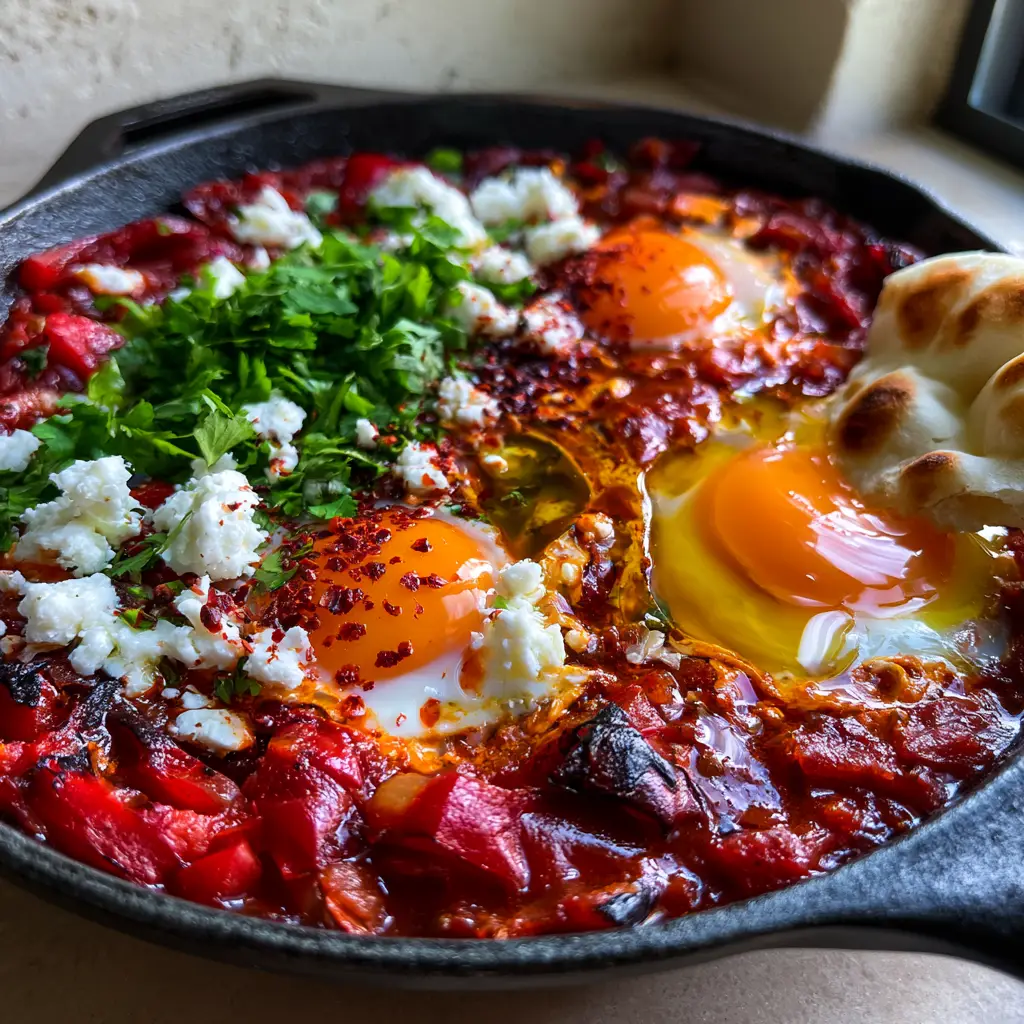
Our journey today explores how to master this classic, ensuring every element matches the visual perfection of a professional kitchen. From the slightly charred edges of the peppers to the glistening golden swirl of olive oil, this recipe is designed for those who appreciate the finer details of culinary art. We are creating a masterpiece that is as beautiful to look at as it is delicious to eat.
This specific version focuses on the textures found in high-end Levantine cafes: chunky, slow-simmered tomatoes and perfectly poached eggs. By the end of this guide, you will be able to replicate the exact look of a rustic cast iron skillet filled with crimson sauce and bright orange yolks. Let’s dive into the science and soul of these legendary Arabic breakfast recipes.
The Visual and Culinary Appeal of This Morning Masterpiece
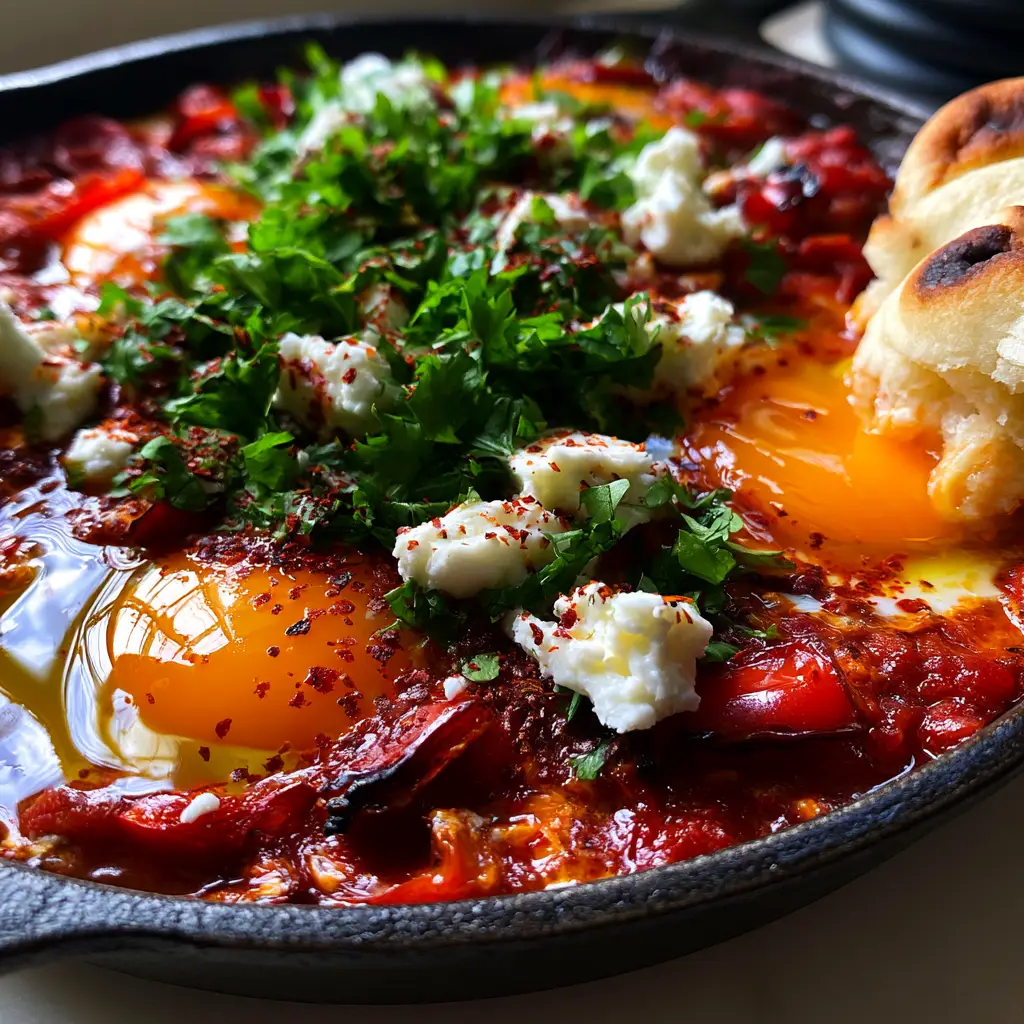
- Vibrant Contrast: The deep crimson of San Marzano tomatoes provides a stunning backdrop for the bright green cilantro and snow-white feta.
- Textural Harmony: You will experience the crunch of blistered peppers alongside the silky, flowing texture of glossy egg yolks.
- Aromatic Depth: The combination of Aleppo pepper flakes and extra virgin olive oil creates a fragrant steam that hits you the moment the pan reaches the table.
- Communal Style: Served straight from the cast iron skillet, it encourages the tradition of dipping torn, bubbly pita bread directly into the sauce.
The Foundation: Essential Ingredients for the Perfect Sauce
To achieve the visual standards of the elite Arabic breakfast recipes, we must start with the highest quality canned whole tomatoes. San Marzano tomatoes are preferred because they maintain their “chunky” integrity during a long simmer rather than turning into a smooth purée. You will need one 28-ounce (800g) can, which we will hand-crush to ensure those rustic, irregular pieces are visible in the final dish.
Red bell peppers are the secret to the dish’s smoky sweetness. We use one large pepper (approx. 200g), sliced into thick strips to ensure they can withstand the “blistering” process without disappearing into the sauce. This high-heat searing creates the “charred edges” described in our visual blueprint, adding a layer of umami that raw peppers simply cannot provide.
Feta cheese is not just a garnish; it is a cooling counterpoint to the spice. Seek out authentic sheep’s milk feta (about 1/2 cup or 75g) because it has a creamier, tangier profile and holds its shape better against the heat. Unlike cow’s milk feta, sheep’s milk varieties offer that crumbly, “thick” visual texture that makes the dish look truly artisanal.
Extra virgin olive oil (EVOO) is our “liquid gold.” You will use 3 tbsp (45ml) for the initial sauté and a final 1 tbsp (15ml) swirl at the end. The final swirl isn’t just for flavor; it catches the light, creating that “glistening” surface that makes the dish look unedited and high-resolution.
Professional Tools for a Rustic Presentation
The vessel is just as important as the ingredients when preparing Arabic breakfast recipes. A 10-inch (25cm) rustic black cast iron skillet is the gold standard for Shakshuka. Cast iron provides superior heat retention, which is critical for poaching the eggs evenly while maintaining a bubbling simmer in the tomato base.
You will also need a sturdy wooden spoon or a silicone spatula to scrape the “fond” (the browned bits) from the bottom of the pan after blistering the peppers. For the eggs, a small ramekin can be helpful to crack each egg into before gently sliding it into its “nest” in the sauce. This prevents shells from falling into the sauce and ensures the yolks remain “bright orange and glossy” without breaking.
Step-by-Step: Blistering Peppers and Building the Base
Achieving the Perfect Char
Heat your cast iron skillet over medium-high heat and add 2 tbsp (30ml) of extra virgin olive oil. Once the oil is shimmering, add your sliced red bell peppers. Do not crowd the pan; let them sit undisturbed for 2-3 minutes until you hear a distinct sizzling sound and see the edges turning dark brown or black.
Add 1 medium diced onion (approx. 150g) and 3 cloves of minced garlic to the pan. Sauté for another 4 minutes until the onions are translucent but the peppers still retain their charred edges. This foundational step is what separates amateur Shakshuka from professional Arabic breakfast recipes.
Simmering the Chunky Tomato Sauce
Pour in your hand-crushed San Marzano tomatoes, along with 1 tsp (5g) of ground cumin and 1 tsp (5g) of smoked paprika. Stir gently to incorporate the blistered peppers into the sauce. Lower the heat to medium-low and let the mixture simmer for 15-20 minutes.
Watch for the visual cue: the sauce should thicken until it can hold a “trench.” If you draw a line through the sauce with your spoon, it should stay open for a second before the sauce fills it back in. This thickness is vital to support the weight of the poached eggs later on.
The Art of the Poach: Runny Yolks and Opaque Whites
Creating the Nests
Using the back of a large spoon, create three deep wells in the thickened tomato sauce. Carefully crack one large egg into each well. The sauce should come up around the sides of the whites, acting as a natural poaching liquid.
Cover the skillet with a lid for exactly 3 to 5 minutes. You are looking for a specific sensory cue: the whites should be completely opaque and set, but the yolks must still be “glossy and wobbly” when you gently shake the skillet. Overcooking the eggs is the most common mistake in Arabic breakfast recipes; remember that they will continue to cook slightly from the residual heat of the cast iron.
The Final Garnish and Presentation
Once the eggs are set, remove the skillet from the heat immediately. This is where we bring the “Visual Recipe Blueprint” to life. Crumble the sheep’s milk feta into thick chunks over the hot sauce. The heat will soften the cheese slightly without melting it completely.
Sprinkle a generous handful (approx. 1/4 cup or 10g) of fresh chopped cilantro over the top. Follow this with a dusting of crimson Aleppo pepper flakes for a mild, fruity heat. Finally, perform the “glistening swirl” of extra virgin olive oil across the surface, making sure it pools slightly near the orange yolks.
Expert Tips for Shakshuka Success
- Don’t Scrimp on Salt: Tomatoes are highly acidic and require a good amount of sea salt to balance their flavor. Season the sauce *before* adding the eggs.
- Room Temp Eggs: Using eggs at room temperature ensures the whites cook at the same rate as the sauce, preventing the bottom of the sauce from burning while waiting for the eggs to set.
- The Pita Prep: While the eggs are poaching, place your pita bread directly over a gas flame or on a grill pan for 30 seconds. Look for “light grill marks” and “bubbly” texture to match the authentic look.
- Acid Balance: If your tomatoes taste too metallic or acidic, a tiny pinch (1/4 tsp) of sugar can round out the flavor profile perfectly.
Storage, Reheating, and Make-Ahead Advice
Arabic breakfast recipes are best enjoyed fresh, but the tomato and pepper base can be made up to 3 days in advance. Store the cooled sauce in an airtight container in the refrigerator. When you are ready for breakfast, simply reheat the sauce in your skillet until bubbling, then proceed with the egg-poaching steps.
We do not recommend freezing the finished dish with the eggs, as the texture of poached eggs becomes rubbery upon thawing. However, the sauce itself freezes beautifully for up to 2 months. To reheat, simmer on the stove with a splash of water to loosen the consistency before adding fresh eggs.
What to Serve With This Vibrant Shakshuka
While the Shakshuka is the star of the show, no table of Arabic breakfast recipes is complete without a few side dishes. To create a full spread, consider serving this alongside a warm bowl of Egyptian Ful Medames for extra protein. The earthy beans complement the acidic tomatoes beautifully.
If you prefer a more bread-focused meal, a side of Cheese Manakish or some herb-crusted Za'atar Rolls are perfect for scooping up the extra sauce. For those looking for a savory lunch crossover, this dish also pairs excellently with Lebanese Kofta or a fresh salad.
Finally, if you are hosting a large brunch, a platter of Stuffed Bulgur Balls provides a wonderful textural contrast to the soft eggs and creamy feta. Don’t forget a pot of strong mint tea to cleanse the palate between bites of spicy Aleppo pepper.
Frequently Asked Questions
Yes, but ensure they are very ripe. You may need to add a tablespoon of tomato paste to achieve the same depth of color and ‘chunky’ consistency found in San Marzano canned tomatoes.
Crack each egg into a small bowl first, then gently slide it into a ‘well’ made in the sauce. This ensures the yolks remain glossy and intact during the poaching process.
No, Aleppo pepper is known for its mild, fruity heat and salty undertones. It provides a beautiful crimson color without the intense burn of standard red chili flakes.
Shakshuka is a poached egg dish where the eggs cook directly in a spiced tomato and pepper sauce, preserving the runny yolk and creating a rich, dipping experience.
Cast iron retains heat exceptionally well, allowing the tomato sauce to simmer steadily and the eggs to poach gently without the bottom of the pan burning.
The Ultimate Shakshuka: A Masterclass in Arabic Breakfast Recipes
This recipe brings together the bold flavors and stunning visuals of the Middle East. Whether you are cooking for a quiet Sunday morning or a festive family gathering, this Shakshuka is guaranteed to be the centerpiece of the table. The combination of charred peppers, runny yolks, and tangy feta creates a flavor profile that is truly addictive.
Arabic Breakfast Recipes: The Ultimate Shakshuka with Blistered Peppers and Feta
Ingredients
Equipment
Method
- Heat 2 tbsp (30ml) olive oil in the skillet over medium-high heat. Add peppers and sear for 3 minutes until edges are charred.
- Add onion and garlic; sauté until soft. Stir in cumin and paprika until fragrant.
- Add hand-crushed tomatoes. Simmer for 15-20 minutes until the sauce is thick and chunky.
- Create 3 wells, crack eggs into them, cover and cook for 3-5 minutes until whites are set but yolks are runny.
- Top with feta, cilantro, Aleppo flakes, and a final swirl of olive oil. Serve with grilled pita.
Notes
Hand-crushing San Marzano tomatoes ensures the signature chunky look.
Join the Community of Home Chefs
We hope this deep dive into one of our favorite Arabic breakfast recipes inspires you to get your cast iron skillet seasoning. There is nothing quite like the satisfaction of dipping a piece of grilled pita into a perfectly runny yolk. If you enjoyed this recipe, please leave a comment below and let us know how your blistered peppers turned out!
Want more culinary inspiration? Follow us on Pinterest for daily recipe updates and beautiful food photography. Share your recreations with us—we love seeing your kitchen masterpieces! You can also sign up for our newsletter to receive the latest Middle Eastern and global recipes directly to your inbox.