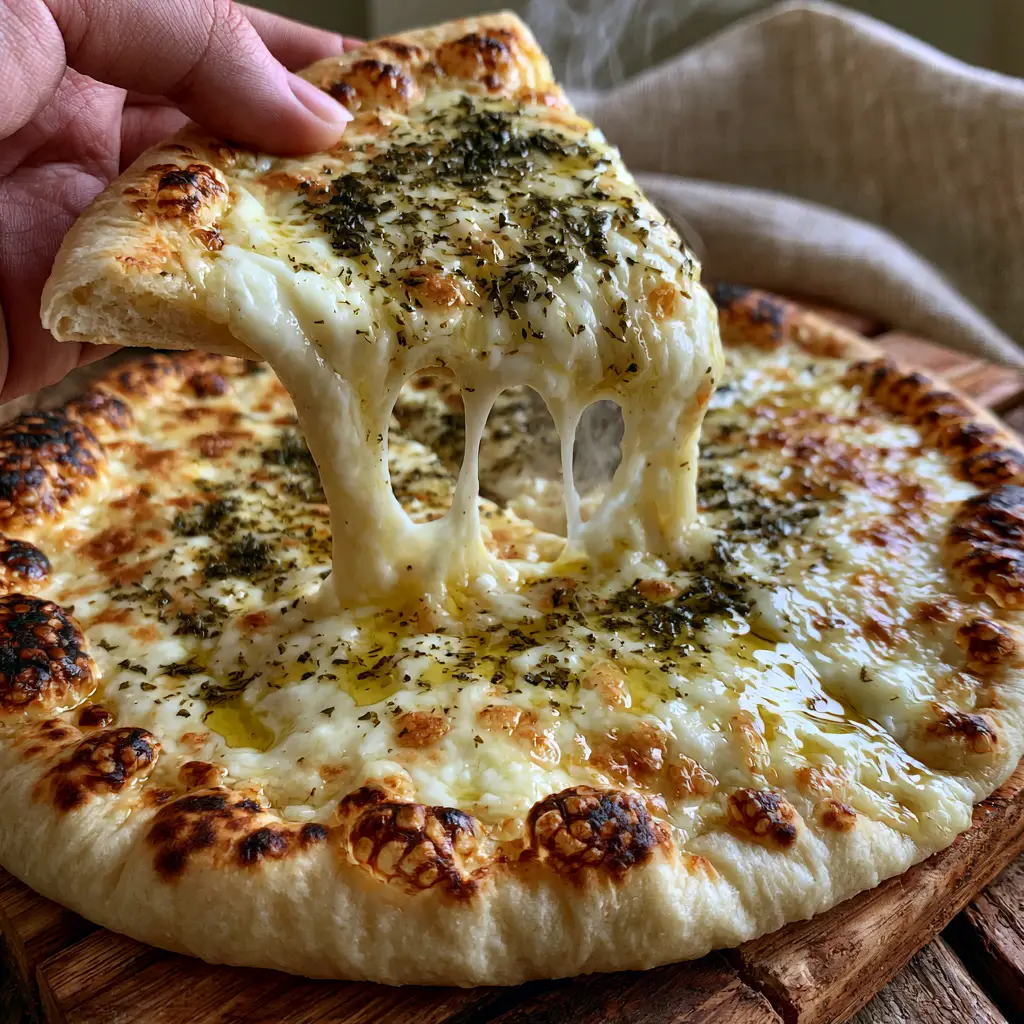
The Cheese Manakish is the crowning jewel of the Levantine breakfast table, a sensory masterpiece that balances a soft, pillowy crust with a molten, salty cheese center. If you have ever walked through the streets of Beirut in the early morning, the aroma of toasted dough and bubbling cheese is unmistakable, pulling you toward the local bakery. This recipe captures that exact magic, delivering a flatbread that boasts professional leopard-spotted edges and a cheese pull that dreams are made of.
Achieving the perfect Cheese Manakish at home requires more than just dough and cheese; it is about the marriage of high-heat physics and traditional Lebanese ingredients. We are moving beyond the basic grilled cheese and into the realm of artisanal flatbreads that feature the distinct tang of Akawi cheese and the aromatic punch of dried zaatar. Get ready to transform your kitchen into a traditional “furn” with this forensic approach to the perfect bake.
Why This Authentic Cheese Manakish Is a Breakfast Game Changer
- The Perfect Leopard Spots: Our high-hydration dough technique ensures those beautiful charred bubbles around the rim, providing a smoky contrast to the soft interior.
- The Dual-Cheese Strategy: By blending traditional Akawi for flavor and Mozzarella for the ultimate stretchy cheese pull, we achieve the exact texture seen in professional Lebanese bakeries.
- Aromatic Finishing: A light dusting of dark green zaatar flakes and a drizzle of premium extra virgin olive oil add layers of herbal complexity.
- Steam-Baked Perfection: We utilize a specific baking method to ensure the dough stays pillowy while the cheese reaches a bubbling, molten state.
Essential Ingredients for the Perfect Lebanese Flatbread
All-Purpose or Bread Flour (3 cups / 375g): The foundation of our dough provides the necessary gluten structure for those large air bubbles. Using a higher protein bread flour will yield a slightly chewier, more authentic “leopard-spotted” result.
Active Dry Yeast (2.25 tsp / 7g): This leavening agent is responsible for the lift and the airy crumb of the Cheese Manakish. Ensure your water is lukewarm (about 110°F / 43°C) to activate the yeast without killing it.
Extra Virgin Olive Oil (3 tbsp / 45ml): We incorporate oil into the dough for suppleness and drizzle it over the finished bread for that signature golden glisten. High-quality Lebanese olive oil provides a peppery finish that complements the cheese.
Akawi Cheese (1.5 cups / 200g): This is the soul of the dish, a white brine cheese with a mild, salty flavor. Because it is stored in brine, it must be desalted in cold water before use to reach the perfect flavor profile.
Mozzarella Cheese (1 cup / 125g): While not strictly traditional on its own, mozzarella provides the structural elasticity required for a “handheld photo” worthy cheese pull. Use low-moisture, whole-milk mozzarella for the best melt.
Dried Green Zaatar (1 tbsp / 5g): A light dusting of this thyme, sumac, and sesame blend provides the earthy, acidic notes that cut through the richness of the melted cheese. It is the visual and flavor “pop” that defines a true manakeesh.
Honey or Sugar (1 tsp / 5g): A small amount of sweetener feeds the yeast and assists in the Maillard reaction, helping us achieve those golden-brown charred spots on the crust.
Must-Have Equipment for Artisanal Results
To recreate the artisanal look of a rustic wooden board presentation, you will need a few key tools. A baking stone or heavy-duty baking steel is the most critical piece of equipment; it mimics the floor of a stone oven, transferring immediate heat to the dough for maximum rise. You will also need a digital kitchen scale for precise metric measurements, as flour volume can vary wildly by cup. A bench scraper is helpful for dividing the soft, pillowy dough without deflating the air bubbles, and a wire cooling rack prevents the bottom of your Cheese Manakish from becoming soggy due to trapped steam.
The Master Dough: Crafting a Pillowy Base
Step 1: Activating the Yeast and Mixing
In a large bowl, combine 1 cup (240ml) of lukewarm water with your yeast and sugar. Let it sit for 5-10 minutes until a thick, frothy foam forms on the surface, indicating the yeast is alive and ready. Add the olive oil and salt, then gradually fold in the flour until a shaggy mass forms. If you are exploring other Arabic breakfast recipes, you will notice this dough is a versatile foundation for many Levantine pastries.
Step 2: The Kneading and Rising Process
Knead the dough on a lightly floured surface for 8-10 minutes until it is smooth, elastic, and slightly tacky to the touch. Place it in a greased bowl, cover with a damp beige linen napkin, and let it rise in a warm spot for 1 to 1.5 hours. You are looking for the dough to double in size, becoming airy and full of fermentation gases that will later become those charred bubbles.
Preparing the Molten Cheese Blend
The Secret to Desalting Akawi
Akawi cheese is notoriously salty. To achieve the perfect balance for your Cheese Manakish, grate the cheese and soak it in a bowl of cold water for at least 30 minutes, changing the water once. Drain it thoroughly and pat it dry with a paper towel. If you skip this, the salt will overwhelm the delicate flavors of the dough and zaatar.
Creating the Signature Stretch
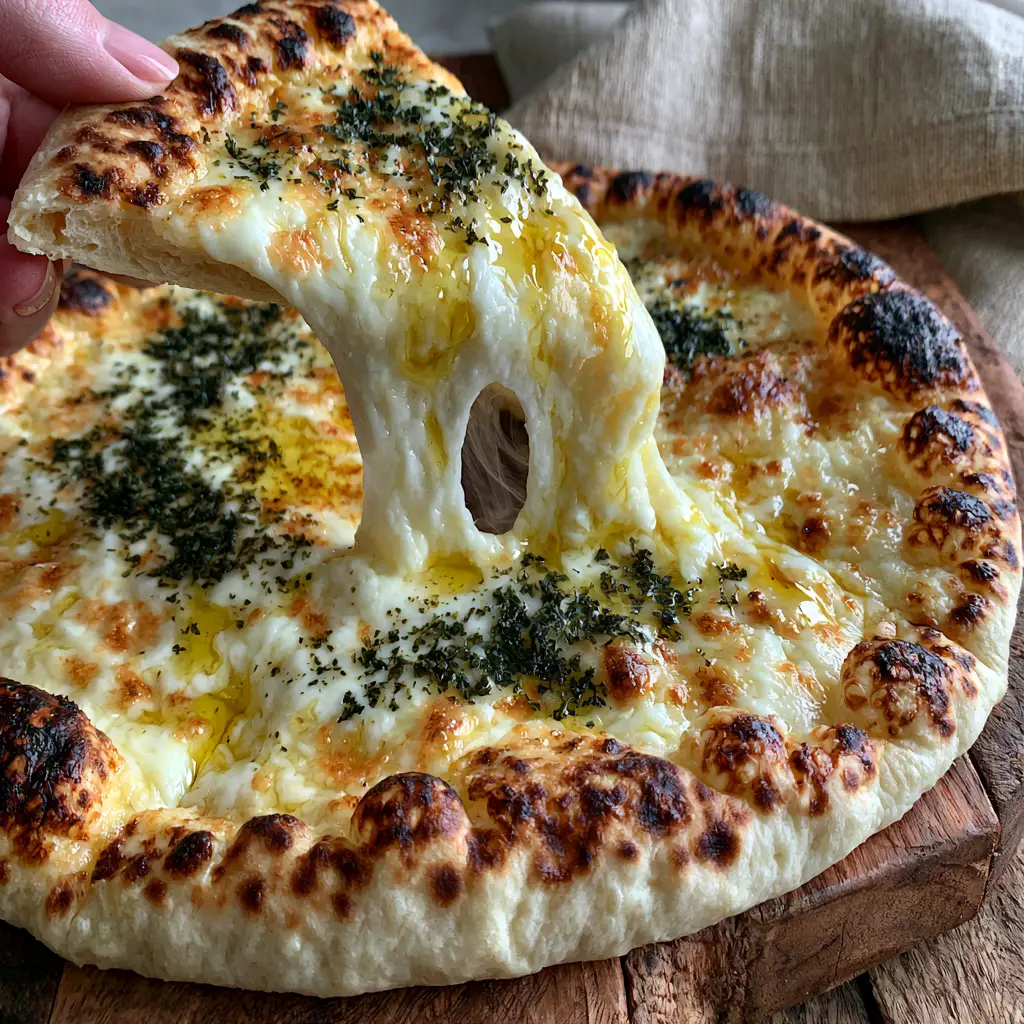
Combine the desalted Akawi with the shredded mozzarella in a bowl. The Akawi provides the traditional flavor, while the mozzarella ensures the molten layer is glistening and stretchy. This blend is similar to what you might find inside cheese fatayer, but spread flat for maximum surface area and bubbling potential.
Baking the Cheese Manakish to Perfection
Step 1: Shaping for “Leopard Spots”
Preheat your oven to its highest setting (usually 500°F / 260°C) with your baking stone inside. Divide the dough into 6 equal balls. On a floured surface, pat each ball into a 7-inch (18cm) circle. Use your fingertips to create small indentations across the surface; these “dimples” catch the olive oil and allow the cheese to pool beautifully.
Step 2: The High-Heat Bake
Spread a generous layer of the cheese blend over the center, leaving a 1/2 inch (1cm) border. Carefully slide the dough onto the hot stone. Bake for 7-9 minutes. You are looking for the cheese to be bubbling and slightly browned, while the edges of the dough should show dark golden-brown “leopard spots.” The sight of the steam rising as you pull it out is the ultimate sensory cue of success.
Expert Tips for Bakery-Style Results
- Room Temperature Cheese: Always bring your cheese blend to room temperature before baking to ensure it melts at the same rate the dough browns.
- Cold Fermentation: For even better flavor and more leopard spotting, let your dough rise in the fridge for 24 hours. The slow fermentation creates more complex sugars that char beautifully.
- Avoid Over-Flouring: Too much flour on the exterior will prevent the dough from charring and instead create a dusty, dry finish. Use just enough to prevent sticking.
- The Steam Hack: Toss a few ice cubes onto a tray at the bottom of the oven right as you slide the manakish in. The burst of steam keeps the crust exterior soft while it expands, leading to a lighter, fluffier result.
What to Serve with Cheese Manakish
In a traditional Arabic breakfast spread, these flatbreads are never served alone. The rich, molten cheese cries out for fresh, acidic accompaniments. Sliced cucumbers, heirloom tomatoes, and fresh mint leaves are essential. For a truly hearty meal, serve alongside a bowl of ful medames or some creamy labneh drizzled with olive oil. If you are transitioning into lunch, a crisp Lebanese cabbage salad provides a refreshing crunch that balances the doughy texture of the manakish.
Storage and Reheating for Maximum Freshness
Cheese Manakish is best enjoyed immediately while the cheese pull is at its peak. However, you can store leftovers in an airtight container in the refrigerator for up to 3 days. To reheat, avoid the microwave, which will make the crust rubbery. Instead, place the manakish in a dry skillet over medium heat for 2-3 minutes or in a 350°F (175°C) oven until the cheese is bubbling again. You can also freeze the unbaked dough balls for up to a month; just thaw in the fridge overnight before shaping.
Frequently Asked Questions
You can prepare the dough and cheese blend in advance, but for the best texture and ‘cheese pull,’ it must be baked and served immediately.
Use a baking stone or steel and preheat your oven to its maximum temperature for at least 45 minutes to ensure high conductive heat.
If you cannot find Akawi, a combination of mild, desalted Feta mixed with Mozzarella or Monterey Jack provides a similar salty and meltable profile.
Tough dough is usually caused by over-kneading or adding too much flour. Ensure the dough is slightly tacky and well-hydrated before the rise.
The Ultimate Cheese Manakish Recipe
Cheese Manakish: The Ultimate Guide to Authentic Lebanese Melted Cheese Flatbread
Ingredients
Equipment
Method
- Combine lukewarm water, yeast, and sugar. Let stand for 10 minutes until frothy.
- Mix in flour, olive oil, and salt. Knead for 8-10 minutes until smooth and elastic.
- Place in a greased bowl, cover with a damp cloth, and rise in a warm spot for 90 minutes until doubled.
- Soak grated Akawi in cold water for 30 minutes. Drain and pat dry, then mix with shredded mozzarella.
- Divide dough into 6 balls. Flatten into 7-inch circles. Dimple the surface with fingers and spread cheese blend in the center.
- Slide onto a preheated baking stone at 500°F (260°C). Bake for 7-9 minutes until leopard spots appear and cheese is molten.
- Drizzle with extra virgin olive oil and dust with zaatar flakes while steam is still rising.
Notes
If Akawi is unavailable, a mix of mild feta and Monterey Jack is a good substitute.

Closing & Call to Action
Mastering the Cheese Manakish is a gateway to the rich world of Levantine baking. Whether you are hosting a weekend brunch or just craving that perfect, stretchy cheese pull, this recipe brings the authentic flavors of Lebanon directly to your table. The combination of charred, pillowy dough and molten Akawi is a culinary experience that stays with you. If you enjoyed this recipe, please leave a comment below and share your results! Don’t forget to pin this recipe to your favorite boards on Pinterest so you always have it on hand.