There is a specific kind of magic that happens in the soft, natural morning light of a Levantine kitchen. The air fills with the earthy, toasted aroma of dried wild thyme and the sharp, bright scent of freshly torn peppermint leaves. This Arabic breakfast is not just a meal; it is a vibrant, communal ritual designed to awaken the senses through texture, color, and heritage.
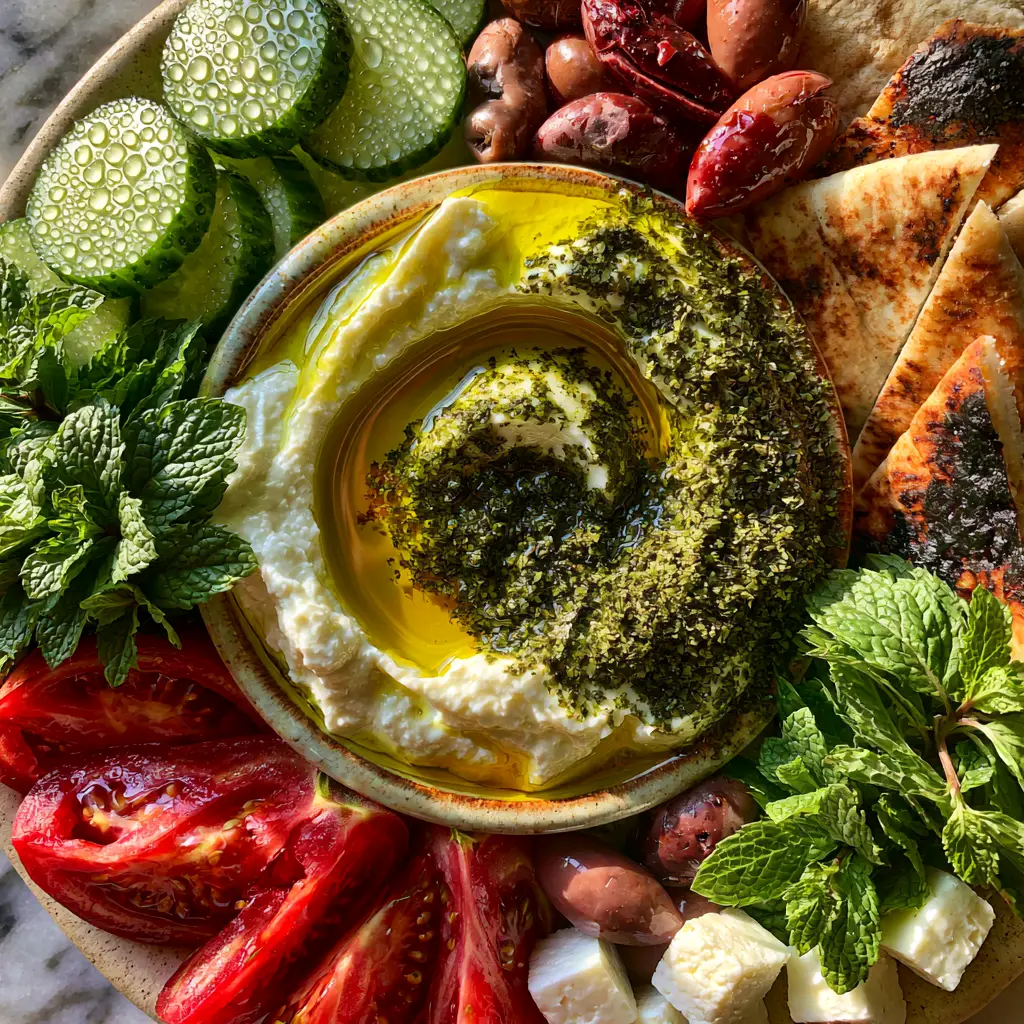
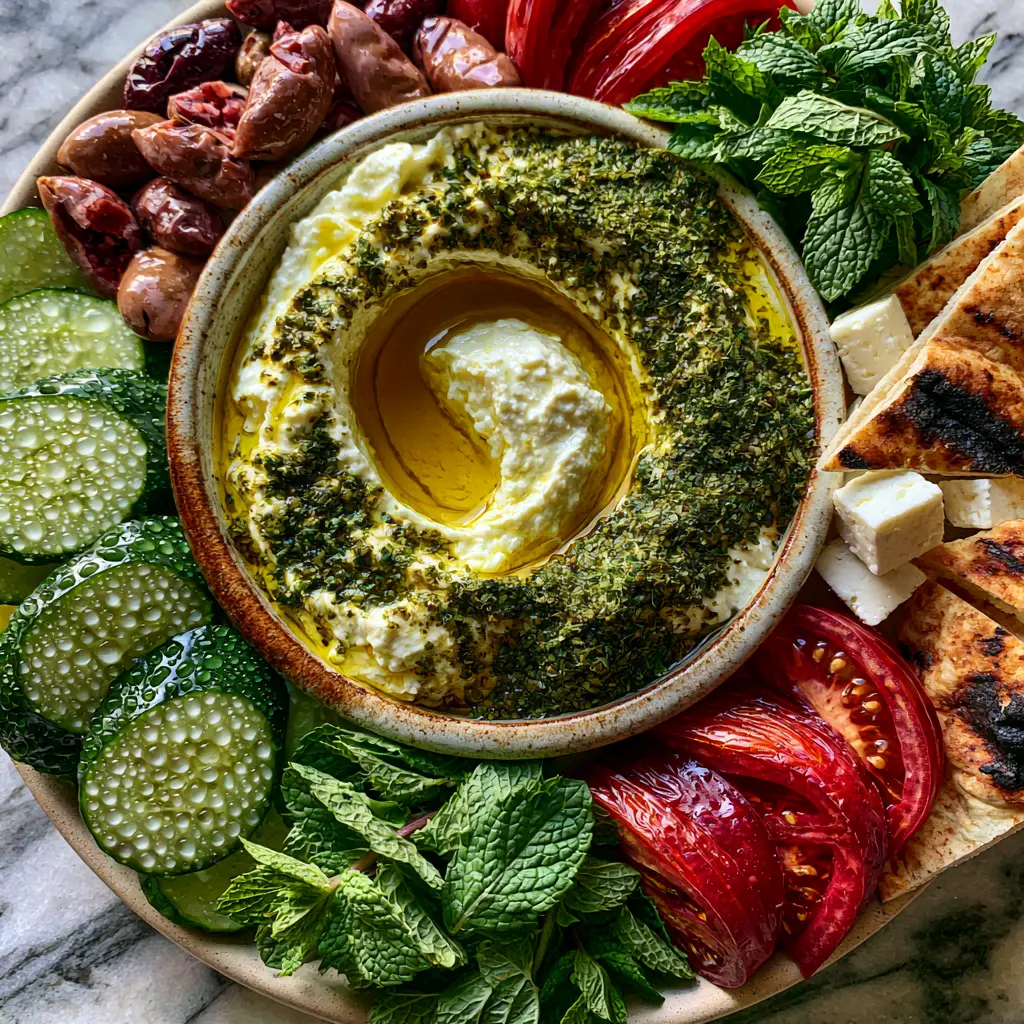
Imagine a centerpiece of thick, velvety labneh, so rich it holds the shape of a deep, swirling well. This well is filled with liquid gold—extra virgin olive oil—that catches the light and invites the first scoop of warm, charred pita bread. Around this sun-drenched center, a garden of water-beaded cucumbers and ruby-red heirloom tomatoes provides a crisp, cooling contrast to the savory depth of kalamata olives and salty feta cheese.
Whether you are recreating the flavors of a busy Beirut morning or looking for a nutrient-dense, visually stunning brunch for guests, this Arabic breakfast board is the definitive answer. Every component is intentionally chosen to balance acidity, fat, and crunch, ensuring that every bite is a new discovery of Middle Eastern hospitality.
Why This Vibrant Mezze Spread is the Ultimate Morning Ritual
- The Perfect Texture Balance: You will experience the interplay between the “velvety” thickness of the labneh and the “shatter-crisp” exterior of the charred pita bread.
- Nutrient-Dense Freshness: Utilizing water-beaded cucumbers and heirloom tomato wedges ensures a high-hydration, vitamin-rich start to your day.
- Visual Masterpiece: Designed to look like a handheld smartphone masterpiece, the contrast of green za’atar against white yogurt and ruby tomatoes is a feast for the eyes.
- Communal Heritage: This board encourages the traditional “scooping” method, making it a perfect centerpiece for family gatherings or weekend brunches.
The Anatomy of an Authentic Arabic Breakfast Spread
To achieve the professional, “food-blog-perfect” look described in our visual blueprint, you need specific ingredients that prioritize both flavor and structural integrity. High-quality fats and seasonal produce are the non-negotiables here.
Thick Labneh (500g / 17.5oz): This is the heart of the dish. Use a high-fat, strained yogurt (either homemade or store-bought Lebanese style) to ensure it is thick enough to form the signature “well” for the oil.
Extra Virgin Olive Oil (60ml / 1/4 cup): Choose a “finishing” oil that is cold-pressed and robust. It provides the glossy texture that highlights the depth of the labneh bowl.
Dried Za’atar (3 tbsp / 25g): A heavy dusting of this blend (thyme, sumac, sesame seeds) adds the essential “green” earthiness. It should be fragrant enough to scent the room the moment it hits the oil.
Persian or English Cucumbers (2 large): These varieties have thinner skins and fewer seeds, allowing them to remain crisp and hold those beautiful “water beads” after a quick rinse.
Heirloom Tomatoes (3-4 medium): Look for ruby-red varieties with high sugar content. Wedging them reveals the beautiful interior structure and provides a juicy, acidic counterpoint to the cheese.
Fresh Peppermint Leaves (1 bunch): Not just a garnish, these leaves should be plucked whole. They provide a cooling “zing” that cleanses the palate between bites of salty olives.
Kalamata Olives (100g / 3.5oz): These earthy, brine-cured olives offer a meaty texture and a punch of salt that ties the vegetables to the dairy components.
Feta Cheese Cubes (150g / 5.3oz): Choose a firm, sheep’s milk feta. Cutting them into precise small cubes adds a geometric visual interest to the organic shapes of the vegetables.
Pita Bread (3-4 large loaves): We will be cutting these into triangles and charring them. The char adds a smoky dimension that traditional soft bread lacks.
Flaky Sea Salt & Cracked Black Pepper (to taste): These foundational “invisible” ingredients are vital for drawing out the juices of the heirloom tomatoes and seasoning the labneh well.
Essential Equipment for a Pro-Level Breakfast Board
Achieving the “handheld smartphone photo” aesthetic requires more than just good lighting. You need the right tools to prep your ingredients for maximum visual impact.
A Wide Ceramic Bowl: This is for the labneh. A shallow, wide bowl allows more surface area for the za’atar and olive oil to be visible from a top-down angle.
Cast Iron Skillet or Open Flame: To get those authentic “charred” marks on the pita bread, a dry cast iron pan on high heat is the best indoor substitute for a wood-fired oven.
Precision Chef’s Knife: You need a very sharp blade to slice the heirloom tomatoes into clean wedges without crushing the delicate interior walls.
A Large Marble or Wooden Board: This acts as your canvas. A neutral marble background, as seen in our visual prompt, reflects natural morning light beautifully and makes the colors of the vegetables pop.
Step-by-Step Instructions: Crafting the Perfect Arabic Breakfast
Step 1: The Art of the Labneh Well
Transfer your thick labneh into the center of your ceramic bowl. Using the back of a large spoon, press into the center and rotate the bowl, creating a deep, swirling circular “well.” This creates a reservoir for the oil and ensures the labneh doesn’t look flat. Sprinkle the dried za’atar heavily over one half of the labneh, letting some fall into the well. Pour the extra virgin olive oil into the center until it nearly overflows the edges of your swirl.
Step 2: Preparing the Water-Beaded Vegetables
Wash your cucumbers in ice-cold water and pat them only partially dry. Slice them into 1/4 inch (6mm) rounds, leaving the skins on for that vibrant green contrast. For the heirloom tomatoes, cut them into thick, substantial wedges. Arrange these on your marble board, ensuring they are positioned to catch the light. The slight moisture on the cucumber skins will create that “water-beaded” look that signifies peak freshness.
Step 3: Charring the Pita Triangles
Cut your pita bread into even triangles. Place them directly over a medium-high gas flame for 10-15 seconds per side, or use a pre-heated dry cast iron skillet. You are looking for “leopard spotting”—small, blackened charred bubbles that provide a smoky aroma. Keep them wrapped in a clean cloth until the moment of serving to maintain their warmth and pliability.
Step 4: Assembling the Mezze Mosaic
Place the labneh bowl in the center of your marble countertop or large board. Begin encircling it with the cucumber slices and heirloom wedges. In the gaps, nestle the earthy kalamata olives and small cubes of white feta cheese. Finally, tuck small bunches of peppermint leaves between the tomatoes and cucumbers. The peppermint should look like it’s growing out of the board, adding height and life to the arrangement.
Step 5: The Final Touches
Just before serving, give the tomatoes a tiny pinch of flaky sea salt. This will cause them to glisten. If the olive oil has been absorbed, add one more small drizzle to the labneh well to ensure that “glossy texture” mentioned in the visual prompt.
Expert Tips for a Stunning Arabic Breakfast Board
- Temperature Control: Serve the labneh slightly chilled but the pita bread steaming hot. The contrast between the cold dairy and warm bread is a hallmark of an authentic experience.
- Herb Care: Keep your peppermint in a glass of ice water until the very last second. This prevents wilting under the “natural morning light” and keeps them looking vibrant.
- The Oil “Glistening” Hack: If you are taking photos, drizzle the oil last. It tends to settle into the labneh over time; a fresh drizzle right before eating (or snapping a picture) ensures that high-end glossy look.
- Salt the Veg, Not the Labneh: Most labneh is already salted during the straining process. Only salt the heirloom tomatoes to draw out their sweetness.
The Best Ways to Store and Refresh Your Mezze
While an Arabic breakfast is best enjoyed fresh, you can prep components in advance. Store the labneh in an airtight container in the fridge for up to a week. The vegetables should be sliced fresh, but if you have leftovers, keep them in separate containers; storing tomatoes with cucumbers can make the cucumbers soften prematurely.
To refresh leftover pita bread, avoid the microwave as it makes the bread rubbery. Instead, give them a quick toast in a pan or toaster oven to regain that “charred” crispness.
What to Serve with Your Arabic Breakfast Spread
This mezze board is incredibly versatile and pairs beautifully with other Middle Eastern staples. For a heartier meal, consider serving alongside warm ful medames or a side of savory hashweh with rice. If you are hosting a larger brunch, adding a tray of freshly baked cheese fatayer or some authentic manakeesh will provide the variety your guests crave.
For those who love a bit of meat in the morning, a side of grilled lebanese kofta or even a light tangy cabbage salad can round out the earthy flavors of the za’atar and olives. Explore our full range of traditional Arabic breakfast spreads to customize your morning board further.
Frequently Asked Questions
You can prepare the labneh and wash the herbs in advance. However, the heirloom tomatoes and charred pita bread are best prepared immediately before serving to maintain their texture and temperature.
Generally, za’atar is a blend of herbs, sesame seeds, and sumac, which are naturally gluten-free. However, always check the label as some commercial blends use toasted flour as a filler.
If you cannot find labneh, a very thick, salted Greek yogurt is the best substitute. You can also mix cream cheese with a little plain yogurt to mimic the tang and consistency.
For an authentic Arabic breakfast, use a full-fat Greek or Middle Eastern style yogurt. It should be strained for at least 12-24 hours to achieve that thick, velvety texture required to hold an olive oil well.
Charring the pita over an open flame adds a smoky depth and a structural crispness that contrasts perfectly with the creamy labneh, elevating the breakfast from simple to gourmet.
The Complete Arabic Breakfast Recipe Card
Arabic Breakfast: The Ultimate Labneh and Za'atar Mezze Board
Ingredients
Equipment
Method
- Place labneh in a ceramic bowl and use a spoon to create a deep well in the center. Fill with olive oil and dust with za'atar.
- Slice cold cucumbers and wedge the heirloom tomatoes. Arrange them around the labneh bowl to keep them crisp.
- Toast pita triangles over an open flame or in a hot dry skillet until charred spots appear.
- Nestle feta cubes, olives, and fresh peppermint into the gaps. Season tomatoes with flaky salt and serve immediately.
Notes
Keep peppermint in ice water until the moment of serving for maximum vibrance.
Join the Mediterranean Morning Movement!
The beauty of the Arabic breakfast lies in its simplicity and the quality of its ingredients. By focusing on the velvety texture of the labneh and the vibrant colors of fresh produce, you create more than a meal—you create a moment. We would love to see your breakfast board creations! Please leave a comment below and share your photos with us. Don’t forget to follow our journey and save this recipe to your Pinterest boards for your next weekend brunch inspiration.