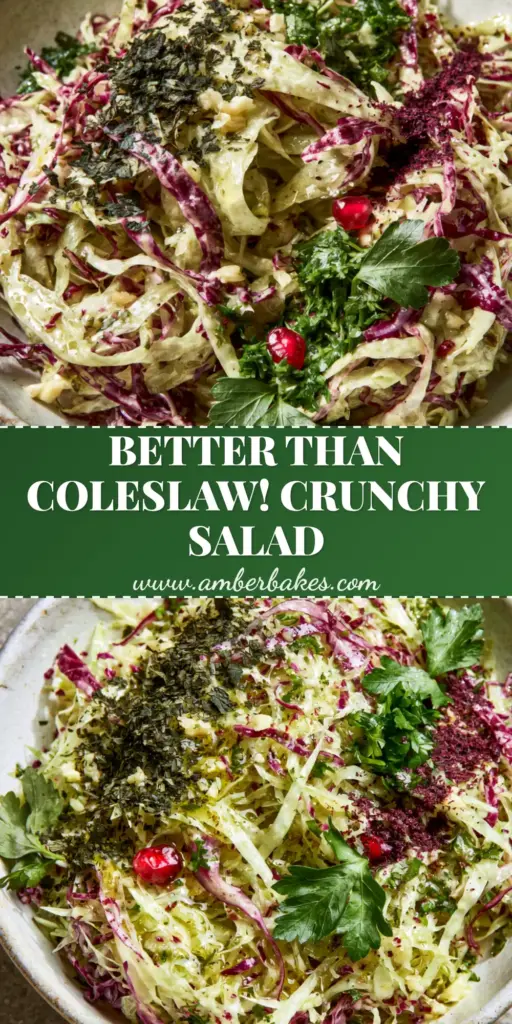
The Lebanese cabbage salad, or Salatet Malfouf, is a masterclass in how a handful of humble ingredients can be transformed into a vibrant, crunchy, and deeply aromatic side dish. Unlike heavy, mayo-based slaws, this Mediterranean staple relies on a zesty emulsion of extra virgin olive oil and fresh lemon juice to create a dressing that makes every cabbage ribbon glisten under the light. It is a staple in Levantine households, often served alongside grilled meats or as part of a sprawling mezze spread.
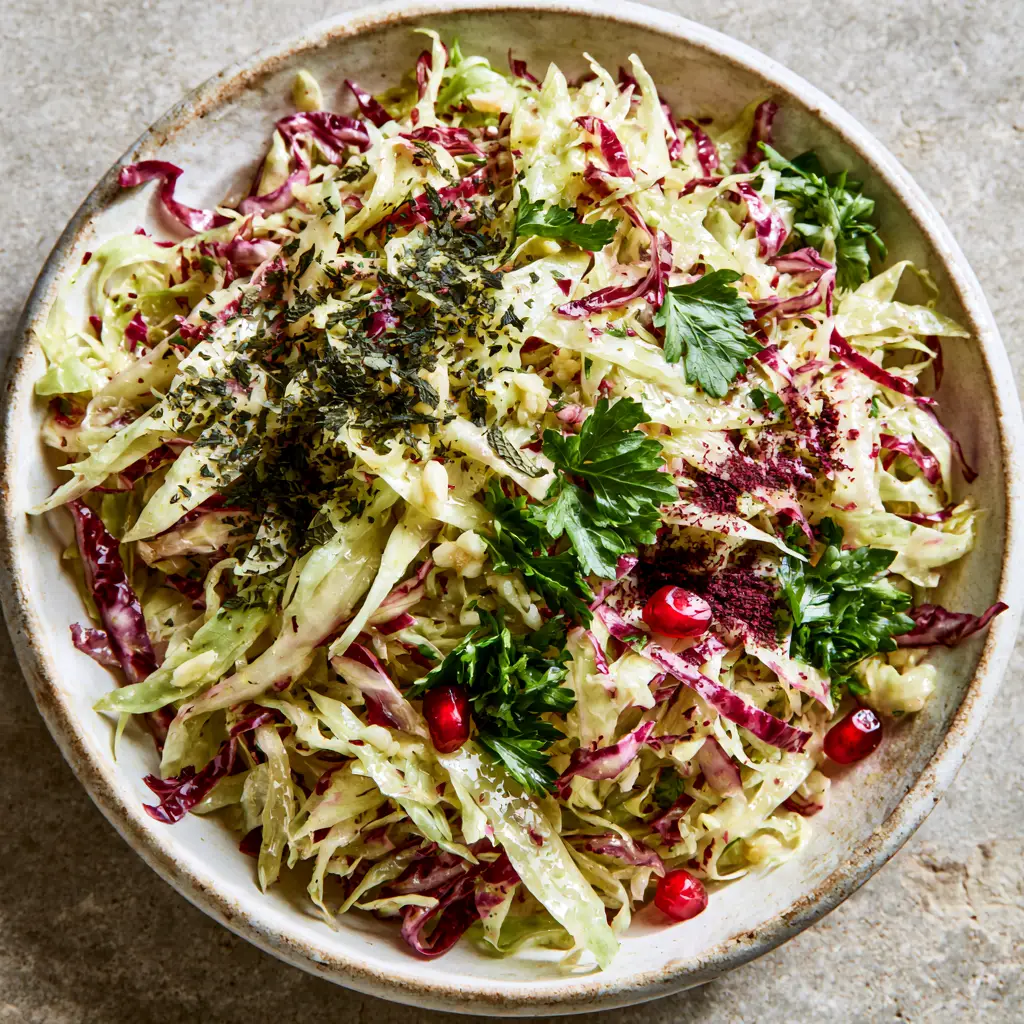
What sets this Lebanese cabbage salad apart is the specific textural contrast between the ultra-thin green cabbage and the vibrant red cabbage ribbons. In this recipe, we achieve a hyper-realistic freshness that looks as good as it tastes. Imagine a bowl where every strand is hydrated and crisp, flecked with emerald-green parsley and the deep burgundy of sumac. This is more than a salad; it is a refreshing palate cleanser that brings a bright acidity to any meal.
Why This Vibrant Malfouf Salad Is a Total Game Changer
- The Texture Factor: By using specific knife techniques, we create “ultra-thin” ribbons that maximize the surface area for the lemon-garlic dressing to cling to, ensuring a crunch in every bite.
- Visual Brilliance: The addition of bright red pomegranate arils and a dusting of burgundy sumac provides a stunning color contrast against the green and purple cabbage.
- Aromatic Depth: The combination of raw minced garlic and dried mint flakes creates a signature Lebanese flavor profile that is both earthy and sharp.
- Nutrient Dense: This Lebanese cabbage salad is packed with antioxidants from the cruciferous vegetables and Vitamin C from the fresh lemon juice.
The Essential Pantry for Authentic Lebanese Cabbage Salad
To achieve the glistening, professional look seen in high-end food photography, you must start with the right components. Each ingredient in this Lebanese cabbage salad serves a visual and structural purpose.
Green Cabbage: 4 cups (400g) of ultra-thinly shredded green cabbage forms the bulk of the salad. It provides a mild, sweet base and a satisfying, watery crunch that holds up well under acidic dressings.
Red Cabbage: 2 cups (200g) of shredded red cabbage adds a necessary pop of color and a slightly more peppery flavor profile. It prevents the salad from looking monochromatic and increases the visual “wow” factor.
Extra Virgin Olive Oil: 1/4 cup (60ml) of high-quality oil is the “invisible” secret to that characteristic glisten. It coats the cabbage strands, preventing them from becoming soggy while carrying the flavors of the garlic and mint.
Fresh Lemon Juice: 3 tbsp (45ml) of juice provides the droplets of acidity that cut through the richness of the oil. It acts as a natural preservative, keeping the cabbage looking hydrated and bright.
Raw Garlic: 3 cloves (15g), finely minced, provide the “kick” that Lebanese cuisine is famous for. When raw garlic hits the lemon juice, it mellows slightly but maintains a sharp, savory edge.
Dried Mint Flakes: 1 tbsp (2g) of dried mint is non-negotiable for an authentic Malfouf experience. It provides an earthy, cool undertone that fresh mint simply cannot replicate in this specific context.
Fresh Flat-Leaf Parsley: 1/2 cup (15g), finely chopped, adds the vibrant emerald flecks that signal freshness. It introduces a subtle bitterness that balances the sweetness of the cabbage.
Sumac: 1 tsp (3g) of this deep burgundy spice adds a floral tartness. It is the final “dusting” that gives the dish its rustic, Middle Eastern identity.
Pomegranate Arils: 1/4 cup (40g) of bright red seeds provides a juicy pop and a sweetness that bridges the gap between the sour lemon and the bitter cabbage.
Sea Salt: 1 tsp (6g) is the foundational mineral that draws out just enough moisture from the cabbage to soften the fibers while intensifying the natural flavors.
Professional Tools for the Perfect Shred
Achieving the “macro shot” quality of this Lebanese cabbage salad requires precision. While a sharp chef’s knife works, a mandoline slicer is the secret weapon for those “ultra-thin” ribbons that look like silk on the plate. If using a knife, ensure it is freshly honed; a dull blade will bruise the cabbage, causing it to lose its “hydrated” and “crisp” appearance.
You will also need a large, shallow white ceramic bowl. The shallow nature of the bowl allows the ingredients to spread out, showcasing the pomegranate seeds and sumac dusting rather than letting them sink to the bottom. A small glass jar is also recommended for emulsifying the dressing to ensure the oil and lemon don’t separate prematurely.
Step-by-Step Evolution of the Malfouf Salad
1. Preparing the Cabbage Ribbons
Start by removing the outer, tougher leaves of both the green and red cabbage. Using your mandoline or a very sharp knife, shred the cabbage into strands no thicker than 1/8 inch (3mm). This thinness is crucial for the Lebanese cabbage salad to absorb the dressing properly. Place the shredded ribbons into a large bowl of ice water for 5 minutes; this “shocks” the cabbage, making it look incredibly crisp and hydrated.
2. Crafting the Lemon-Garlic Emulsion
In a small jar, combine the minced raw garlic, extra virgin olive oil, fresh lemon juice, and sea salt. Shake vigorously until the dressing becomes a semi-opaque, transparent yellow liquid. You should see tiny droplets of lemon juice suspended in the oil. This emulsion is what gives the salad that signature “glisten” without looking greasy.
3. The Infusion of Aromatics
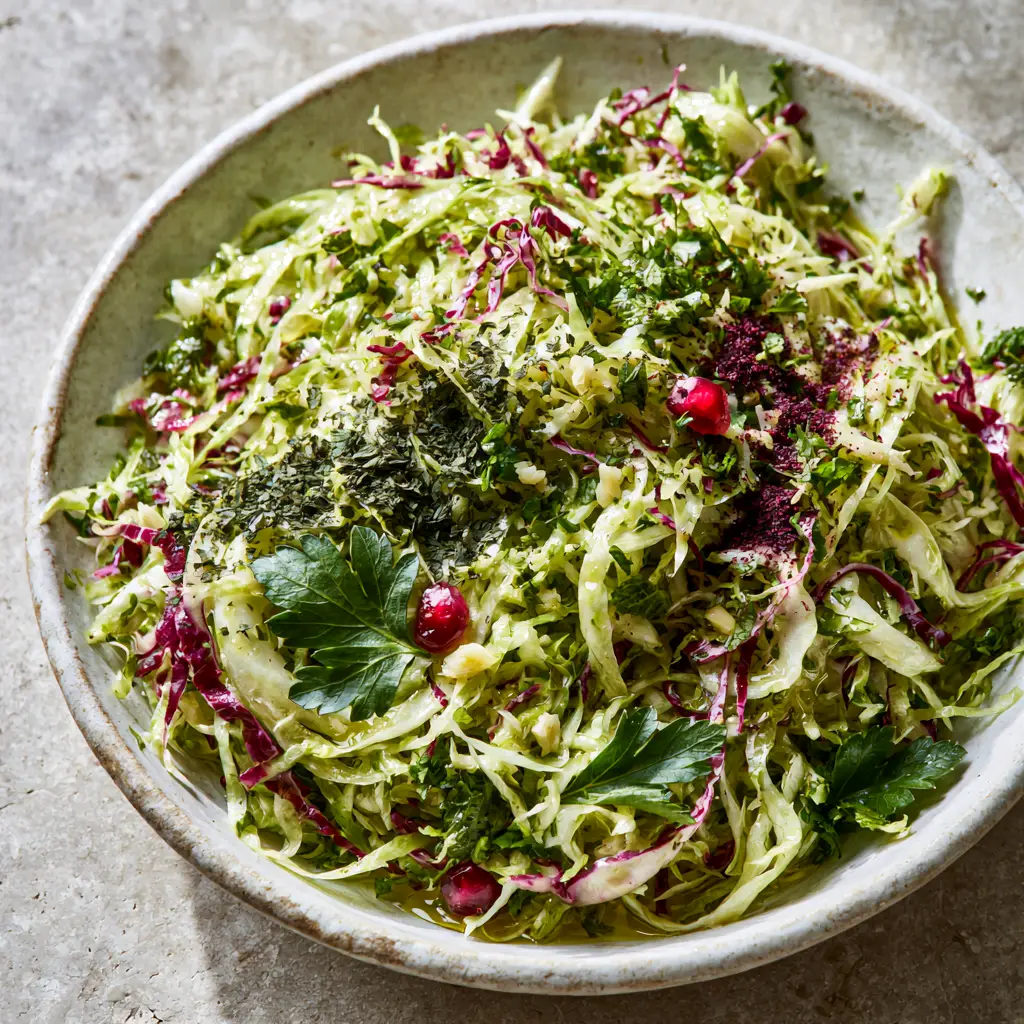
Drain the cabbage thoroughly—use a salad spinner if possible, as any excess water will dilute the dressing. Transfer the dry cabbage to your rustic ceramic bowl. Sprinkle the dried mint flakes and finely chopped fresh parsley over the top. The dried mint should look like dark green flakes scattered across the vibrant cabbage strands.
4. Tossing for Visual Accuracy
Pour the dressing over the cabbage. Use two large spoons to toss the salad gently but thoroughly. Look for the sensory cue: the cabbage should start to take on a glossy sheen, and the aroma of garlic and mint should become immediate and pungent. Ensure the parsley is evenly distributed so you see those emerald bits in every forkful.
5. The Final Artisanal Flourish
Once tossed, stop. Do not over-mix, or the red cabbage may bleed into the green. Now, add the “pops of color.” Scatter the bright red pomegranate arils across the surface and finish with a light, even sprinkle of deep burgundy sumac. The sumac should look like a fine dust settled on the glistening strands.
Expert Tips for a Stunning Lebanese Cabbage Salad
- The “Salt and Massage” Technique: If your cabbage feels a bit too tough, sprinkle the salt on the shredded cabbage first and give it a very light 30-second massage before adding the other ingredients. This breaks down the cellulose slightly for a more tender bite.
- Mint Matters: Always use dried mint for the base flavor. If you want to add fresh mint, use it as a garnish, but the dried version provides the concentrated “herbal” backbone typical of classic Arabian recipes.
- Cold is Key: Serve this salad chilled. The contrast between the cold, crisp cabbage and the sharp, room-temperature dressing creates a refreshing sensory experience.
- Avoid the “Purple Bleed”: If you are making this ahead of time, keep the red cabbage in a separate container and toss it in just before serving to keep the green cabbage looking bright and untinted.
Make-Ahead, Storage, and Freshness Guidelines
The Lebanese cabbage salad is surprisingly resilient. Unlike lettuce-based Mediterranean vegetable salads, cabbage doesn’t wilt immediately. In fact, many people prefer it after it has sat for 30 minutes, allowing the flavors to meld.
Refrigeration: Store any leftovers in an airtight container for up to 2 days. While it will lose some of its “crisp” hydration, the flavors actually deepen as the garlic and mint infuse further into the cabbage. Freezing: This recipe is not suitable for freezing, as the cell structure of the cabbage will collapse upon thawing, turning your vibrant salad into a soggy mess.
What to Serve with This Vibrant Cabbage Salad
This salad is the perfect acidic counterpoint to rich, savory proteins. It is traditionally served with crispy Lebanese kibbeh or skewers of grilled lebanese kofta. The lemon-garlic dressing acts as a natural “sauce” when the salad touches the meat on your plate.
For a lighter lunch, it pairs beautifully with a lebanese kafta burger or as part of a plant-based spread featuring slow-cooked ful medames. If you are hosting a brunch, consider including it alongside traditional Arabic breakfast recipes like labneh and olives to provide a crunchy texture to the meal.
Frequently Asked Questions
While fresh mint adds a lovely brightness, authentic Lebanese Malfouf salad relies on dried mint flakes for its specific earthy depth. If using fresh, chop it very finely, but we recommend keeping the dried mint for the dressing base.
The key is to shred the cabbage very thinly and ensure it is completely dry after washing. Use a salad spinner if possible. The olive oil coats the cabbage strands, which helps maintain the crunch even after the lemon juice is added.
Not quite. While both use cabbage, Lebanese Malfouf salad is dairy-free and uses a vinaigrette base of olive oil and lemon rather than mayonnaise. It is much lighter, more acidic, and features distinct Middle Eastern spices like sumac and dried mint.
For the professional ‘ribbon’ look, a mandoline slicer is best. If using a knife, cut the cabbage in half, remove the core, and slice as thinly as humanly possible to create delicate strands that soak up the dressing.
Cabbage can sometimes have a bitter edge depending on the season. If yours is particularly sharp, add a tiny pinch of sugar to the dressing to balance the flavors, or let the salad sit for 15 minutes to allow the salt and lemon to mellow the greens.
The Ultimate Lebanese Cabbage Salad Recipe Card
Lebanese Cabbage Salad (Malfouf Salad) with Lemon and Dried Mint
Ingredients
Equipment
Method
- Using a mandoline or sharp knife, shred the green and red cabbage into ultra-thin ribbons. Soak in ice water for 5 minutes for maximum crunch, then dry thoroughly.
- Whisk together olive oil, lemon juice, minced garlic, sea salt, and dried mint flakes until well combined and glistening.
- Place cabbage and chopped parsley in a shallow bowl. Pour the dressing over and toss until every strand is coated and glossy.
- Scatter pomegranate arils and a generous dusting of sumac over the top just before serving.
Notes
Always use dried mint for that authentic earthy flavor profile.
Share Your Cabbage Salad Creations!
This Lebanese cabbage salad is a testament to the beauty of simple, fresh ingredients handled with care. Whether you are serving it at a summer BBQ or as a healthy weeknight side, it is sure to brighten up your table. If you enjoyed this recipe, please leave a comment below and let us know how it turned out! Don’t forget to snap a photo and tag us, or pin this recipe to your favorite board on Pinterest for later!