There is nothing quite like the aroma of fresh Cheese Fatayer emerging from a hot oven. These rustic Middle Eastern boat-shaped pastries are a cornerstone of Levantine cuisine, offering a perfect harmony of textures and flavors. When you pull one apart, the first thing you notice is the steam rising from an ultra-pliable, porous white dough crumb that is as soft as a pillow.
The visual appeal of a perfectly baked fatayer is undeniable. The dough is a light golden-brown, glistening with a generous brush of extra virgin olive oil. Inside, a rich filling of melted creamy feta cheese is flecked with finely chopped vibrant green parsley. Topped with a crunch of toasted white sesame seeds and the earthy, onion-like aroma of black nigella seeds, this recipe is a sensory masterpiece.
Whether you are looking to expand your collection of authentic Arabic breakfast recipes or simply want a handheld snack that rivals the best bakeries in Beirut, this guide will walk you through the professional techniques required to master the Cheese Fatayer at home.
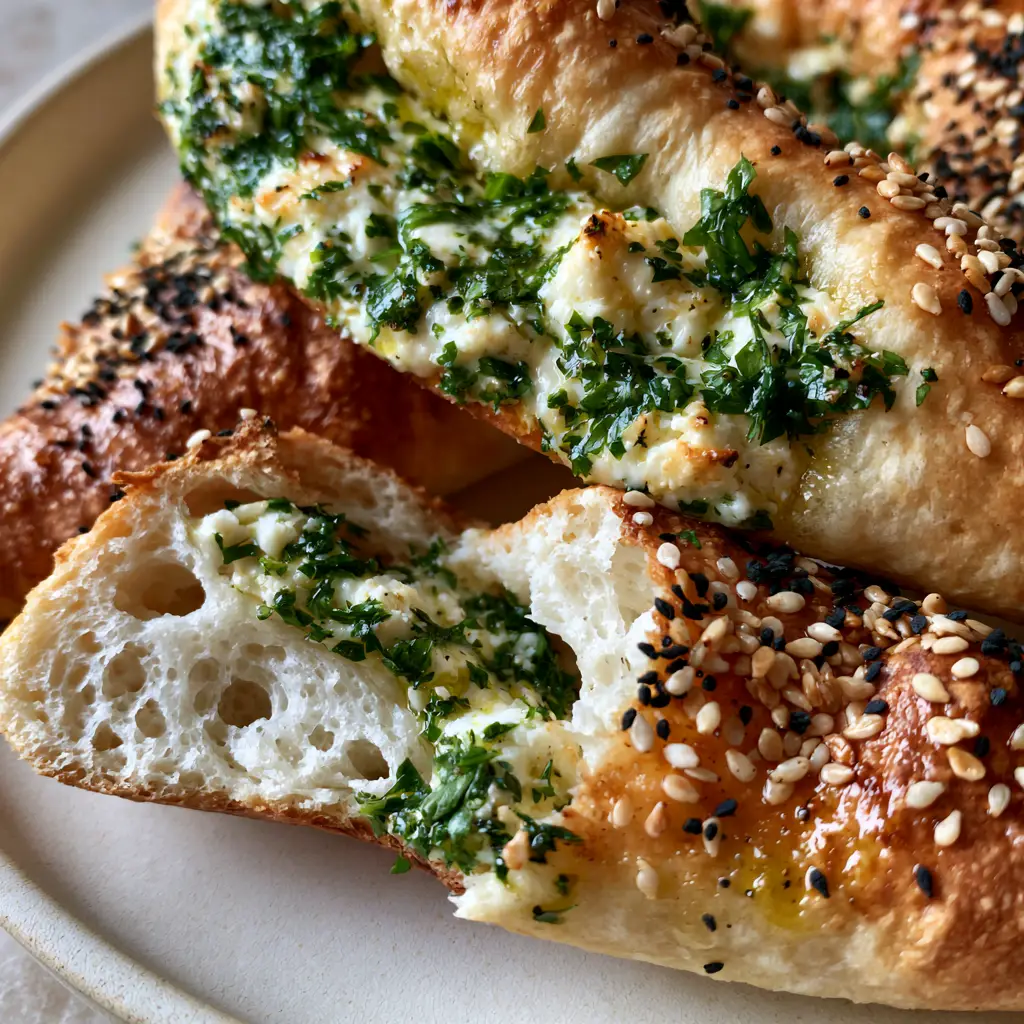
Why You Will Crave This Rustic Cheese Fatayer Recipe
- Visual Perfection: Achieving that iconic “boat” shape with a puffed, golden yeast dough that stays soft even after cooling.
- Complex Flavor Profile: The salty tang of creamy feta balanced by the freshness of chopped parsley and the nutty bite of toasted seeds.
- Professional Texture: A high-hydration dough that results in an airy, porous crumb rather than a dense, heavy bread.
- Versatile Serving: Ideal as a standalone snack, a part of a large traditional Arabic breakfast, or a side for savory meats.
Essential Ingredients for the Creamy Cheese Filling and Pliable Dough
To achieve the specific visual and structural results described in our culinary blueprint, each ingredient serves a scientific purpose. We are not just making bread; we are creating a vessel for molten cheese.
For the Puffed Yeast Dough
All-Purpose Flour: 4 cups (500g). A medium-protein flour provides enough structure for the boat shape without making the pastry tough or chewy.
Active Dry Yeast: 2 1/4 tsp (7g). This is the engine of our dough, responsible for the “puffed and visibly pillowy” texture seen in the cross-section.
Warm Water: 1 1/2 cups (360ml). Essential for hydrating the flour proteins; ensure it is between 105°F-115°F to activate the yeast without killing it.
Granulated Sugar: 1 tbsp (12g). Sugar acts as food for the yeast, accelerating the rise and aiding in the “light golden-brown” crust caramelization.
Salt: 1 tsp (6g). Beyond seasoning, salt tightens the gluten network, ensuring the dough doesn’t collapse under the weight of the cheese.
Extra Virgin Olive Oil: 3 tbsp (45ml). This provides the “glistening” finish and a supple crumb that stays moist.
For the Creamy Cheese Filling
Creamy Feta Cheese: 2 cups (300g), crumbled. Choose a French or Bulgarian feta for a “melted creamy” result; Greek feta tends to be drier and more crumbly.
Fresh Parsley: 1/2 cup (15g), finely chopped. Adds a vibrant green contrast and a refreshing herbal note to cut through the richness of the cheese.
Nigella Seeds: 1 tbsp (10g). These small black seeds provide a striking visual contrast and a unique flavor profile often described as a mix of onion and black pepper.
Toasted White Sesame Seeds: 1 tbsp (9g). These add a nutty aroma and a delicate crunch to the exterior crust.
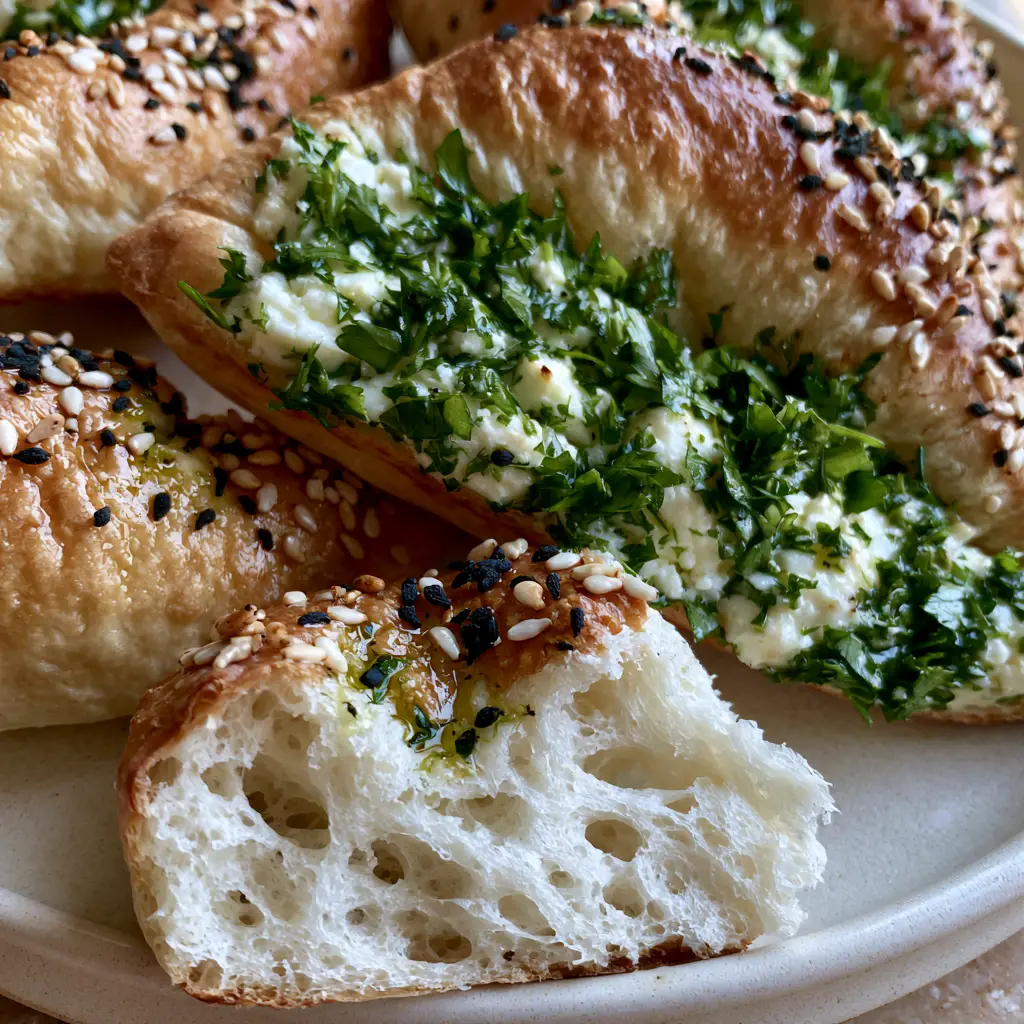
Professional Equipment for Bakery-Quality Results
To replicate the “handheld smartphone photo” look of a rustic bakery, you need a few key tools. A heavy-duty baking sheet is paramount for even heat distribution, ensuring the bottoms of your Cheese Fatayer are just as golden as the tops.
A pastry brush is required for that final glisten of extra virgin olive oil. We also recommend using a kitchen scale for the flour to ensure the dough hydration is perfectly balanced for that “porous white crumb.”
Step-by-Step Instructions to Master Cheese Fatayer
Step 1: Activating the Yeast and Mixing the Dough
In a large bowl, combine the warm water (360ml) and sugar. Sprinkle the yeast over the surface and let it sit for 5-10 minutes until it becomes foamy. This “bloom” is the first sign that your dough will rise into a pillowy texture.
Add the olive oil and salt to the mixture. Gradually incorporate the flour (500g), stirring until a shaggy dough forms. Transfer to a floured surface and knead for 8-10 minutes. You are looking for a smooth, elastic surface that bounces back when poked.
Step 2: The First Rise (Bulk Fermentation)
Lightly oil a clean bowl and place the dough inside. Cover with a damp cloth and leave in a warm, draft-free spot for 1 to 1.5 hours. The dough should double in size, becoming airy and full of fermentation gases that create the “porous crumb.”
Step 3: Preparing the Savory Cheese Filling
While the dough rises, prepare your filling. In a medium bowl, crumble the creamy feta (300g). Ensure the pieces are small enough to melt evenly but large enough to retain some texture. Fold in the finely chopped fresh parsley.
If your feta is particularly dry, you can add a tablespoon of olive oil or Greek yogurt to the mix to ensure it achieves that “melted creamy” appearance once baked.
Step 4: Shaping the Iconic Boat Pastry
Punch down the risen dough and divide it into 10-12 equal balls. Roll each ball into an oval shape, roughly 1/4 inch thick. Place two tablespoons of the cheese mixture in the center of the oval, leaving a border around the edges.
Fold the long sides of the dough slightly over the cheese, then pinch the ends together to form a point. This creates the “boat” vessel. Press the ends firmly so they don’t pop open during the bake.
Step 5: The Final Bake and Sensory Cues
Preheat your oven to 425°F (220°C). Place the fatayer on a parchment-lined baking sheet. Brush the dough edges with olive oil and sprinkle with the nigella and toasted sesame seeds.
Bake for 12-15 minutes. Watch for the visual cues: the dough should be “puffed and golden-brown,” and the cheese should be bubbling and visibly softened. The aroma of toasted seeds should fill the kitchen.
Expert Tips for the Fluffiest Fatayer
- Hydration is Key: If the dough feels a bit sticky, don’t over-flour it. A slightly wetter dough yields a more “pillowy” and “airy” crumb.
- Steam Control: For an extra soft crust, you can place a small pan of water at the bottom of the oven to create steam during the first 5 minutes of baking.
- Cheese Blends: For a more “stretchy” cheese experience, try mixing the feta with a bit of Akkawi or low-moisture mozzarella, a technique often used in traditional manakeesh recipes.
- Seed Adhesion: Press the nigella and sesame seeds gently into the dough after brushing with oil to ensure they don’t fall off after baking.
Optimal Storage and Reheating Methods
Cheese Fatayer are best enjoyed warm, straight from the oven, while the cheese is at its creamiest. However, they store beautifully in an airtight container for up to 3 days in the refrigerator.
To reheat, avoid the microwave as it can make the puffed dough rubbery. Instead, place them in a 350°F (175°C) oven or a toaster oven for 5 minutes until the crust crisps back up and the cheese is soft.
What to Serve With Cheese Fatayer
These pastries are a versatile star of the table. For a complete Levantine spread, serve them alongside a bowl of creamy Ful Medames or as a snack following a hearty meal of grilled kofta.
If you are serving these for lunch, they pair exceptionally well with a crisp, acidic salad like an authentic Lebanese cabbage salad to balance the salty richness of the feta cheese.
Frequently Asked Questions
Yes! You can let the dough rise in the refrigerator overnight. This cold fermentation actually develops more flavor and makes the dough easier to shape the next day.
Those are Nigella seeds (also known as black cumin or kalonji). they provide a distinct herbal, onion-like flavor that is essential for an authentic taste.
A creamy Feta (like French or Bulgarian) is traditional for flavor. If you want a meltier, stringier texture, mix the feta with Akkawi cheese or a low-moisture mozzarella.
This usually happens if the yeast wasn’t properly activated or if too much flour was added. Ensure your water is warm (not hot) and the dough remains slightly tacky before rising.
The Ultimate Cheese Fatayer Recipe
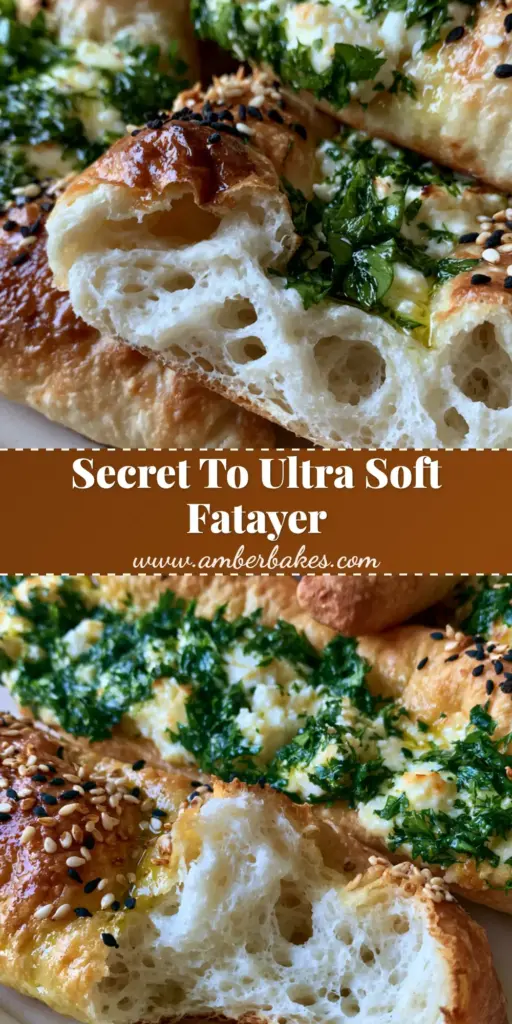
Cheese Fatayer: Authentic Middle Eastern Pastries with Puffed Golden Dough
Ingredients
Equipment
Method
- Combine warm water and sugar; sprinkle yeast over and let sit for 10 minutes until foamy.
- Mix in oil, salt, and flour. Knead for 8-10 minutes until smooth and elastic.
- Place in a greased bowl, cover, and let rise in a warm spot for 1-1.5 hours until doubled.
- Combine crumbled feta and chopped parsley in a bowl.
- Divide dough into 12 balls. Roll into ovals, fill with cheese, and pinch the ends to form a boat shape.
- Brush with olive oil, sprinkle with nigella and sesame seeds, and bake at 425°F (220°C) for 12-15 minutes until golden brown.
Notes
Ensure the oven is fully preheated to achieve the puffed dough texture.
Closing & Call to Action
Mastering the Cheese Fatayer is a rewarding journey into the heart of Middle Eastern baking. From the puffed golden dough to the steamy, porous crumb, every bite tells a story of tradition and culinary science. We invite you to share your results and tag us in your photos!
If you enjoyed this recipe, please leave a comment below and follow us on Pinterest for more baking inspiration. Don’t forget to save this to your “Arabic Recipes” board for your next weekend brunch!