There is something inherently primal and comforting about the scent of yeast mingling with the earthy, woodsy aroma of wild thyme. These zaatar rolls are more than just bread; they are a sensory experience designed to transport you to a Levantine bakery at dawn. Imagine pulling a warm, golden-brown bun from a cluster, witnessing the wisp of steam as the ultra-fluffy, white pillowy interior yields to your touch.
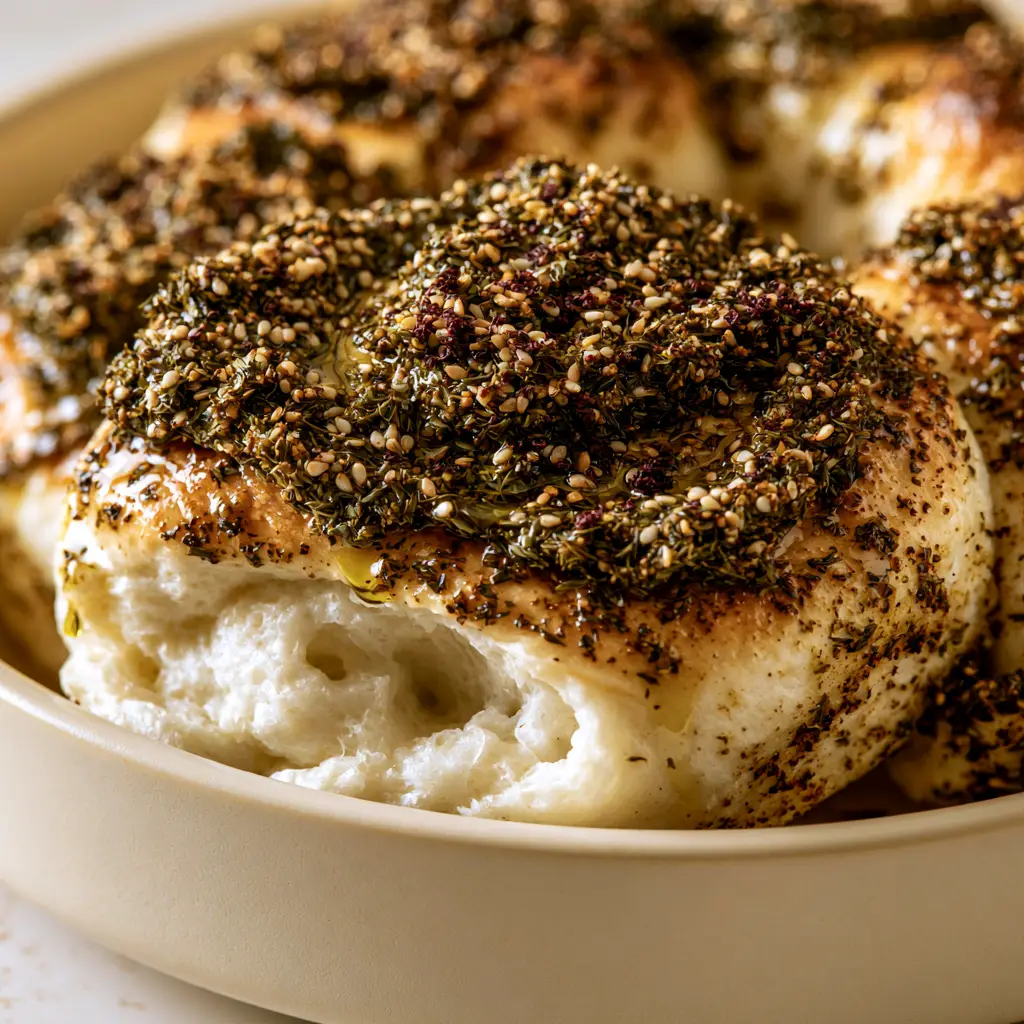
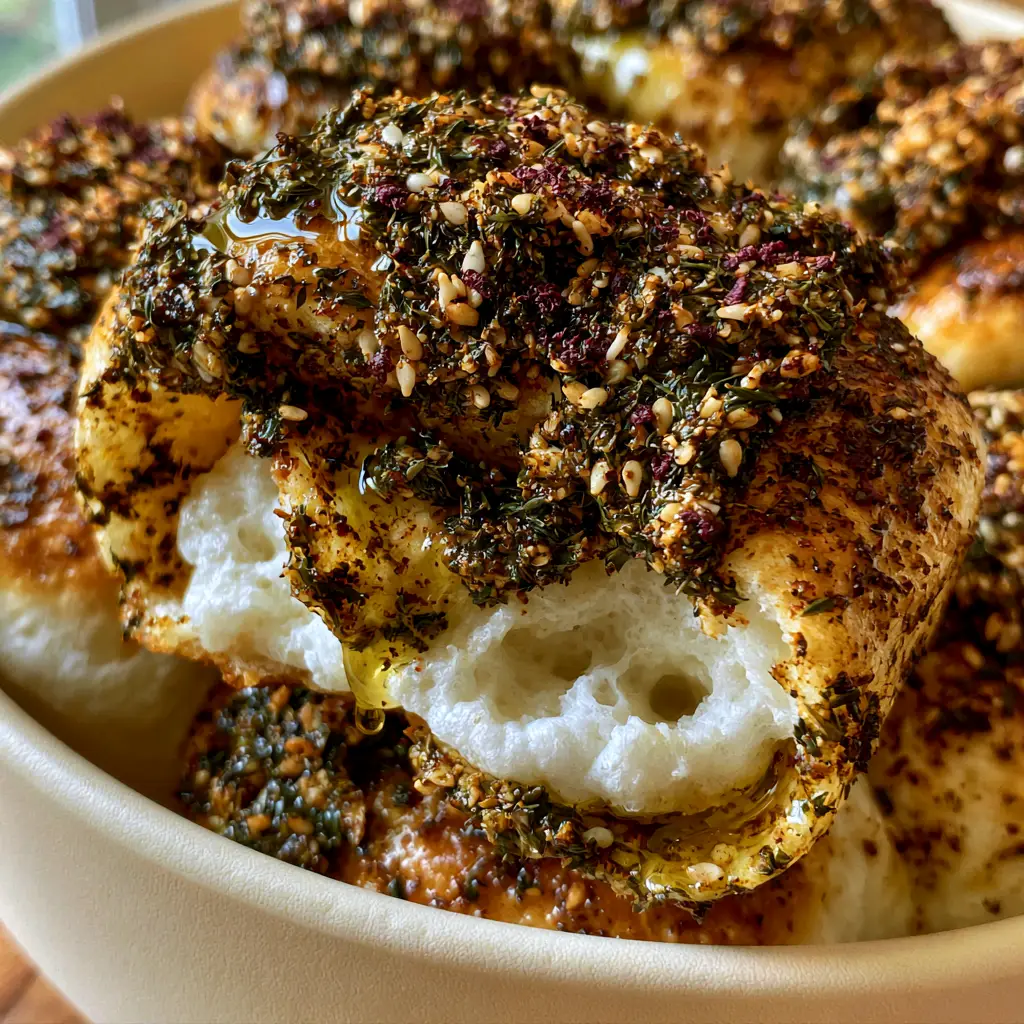
Every bite of these rolls offers a sophisticated contrast between the soft, airy crumb and the robust, savory crust. The top is heavily adorned with a thick paste of dark green zaatar, toasted white sesame seeds, and the sharp, citrusy brightness of burgundy sumac. A glistening sheen of extra virgin olive oil binds these flavors together, occasionally dripping down the sides to create crispy, flavorful edges.
Whether you are a seasoned baker or a curious novice, this recipe focuses on the technical nuances that ensure a professional result. We will explore the science of hydration, the importance of gluten development, and the precise timing required to achieve that iconic macro-close-up-worthy texture. Get ready to master the art of the perfect savory roll.
The Irresistible Allure of Homemade Zaatar Rolls
- Unmatched Texture: A high-hydration dough ensures a steaming, ultra-fluffy white interior with visible air pockets that bounce back when pressed.
- Flavor Complexity: The combination of toasted sesame, wild thyme, and sumac provides a nutty, herbal, and acidic profile that store-bought versions lack.
- Visually Stunning: The contrast between the matte cream ceramic baking dish and the vibrant, glistening dark green herb topping makes these a centerpiece for any meal.
- Aromatic Excellence: The fragrance of baking dough combined with warm olive oil and zaatar creates an intoxicating atmosphere in your kitchen.
The Scientific Foundation for an Ultra-Fluffy Interior
To achieve the “pillowy yeast dough” specified in our visual blueprint, we must focus on protein content and hydration. Using bread flour instead of all-purpose flour provides the necessary gluten structure to trap carbon dioxide bubbles, creating those beautiful air pockets seen in the macro cross-section.
Temperature control is equally vital. Your liquid ingredients should be exactly 105°F (40°C) to 115°F (46°C). Any hotter, and you risk killing the yeast; any cooler, and the fermentation process will be sluggish, resulting in a dense, heavy roll rather than a light, airy one.
Why High-Gluten Flour Matters
Bread flour contains roughly 12-14% protein, which is essential for creating the elastic network required for a significant rise. This elasticity allows the dough to expand under the pressure of steam and gas without collapsing, ensuring that “white bread interior” remains structured yet soft.
The Role of Fat in Bread Softness
While the topping is rich in olive oil, adding a small amount of fat (like butter or oil) directly into the dough tenderizes the crumb. It coats the gluten strands, preventing them from becoming too tough, which results in a bun that stays soft for days.
Essential Elements for the Perfect Herb Crust
The “dark green zaatar herb blend” is the soul of this recipe. Not all zaatar is created equal; look for blends that list wild thyme (hyssop) as the primary ingredient rather than just fillers. The presence of toasted sesame seeds is crucial for that crunch and nutty undertone described in our visual prompt.
We also incorporate extra ground sumac to enhance the burgundy flecks and provide a necessary acidic counterpoint to the rich olive oil. This acidity cuts through the fat, making each bite refreshing rather than heavy.
Sourcing Authentic Zaatar and Sumac
Authentic zaatar should have a deep, forest-green hue. If your blend looks brown, it may be old or contain too much toasted flour. High-quality sumac should be a vibrant reddish-purple and taste sharply of lemon.
The Importance of High-Quality Extra Virgin Olive Oil
Because the olive oil is a primary flavor component, use the best “extra virgin” you can find. It should be peppery and fresh, as it will glisten on the surface and infuse the top layer of the dough during the baking process.
The Tool Kit: Equipment for Bakery-Level Results
To achieve the specific aesthetic of a cluster of rolls, a matte cream-colored ceramic baking dish is ideal. The ceramic holds heat evenly, ensuring the bottoms of the rolls are as perfectly cooked as the tops.
You will also need a digital kitchen scale for precise measurements, a stand mixer for efficient gluten development, and a pastry brush to apply the glistening olive oil sheen. A damp lint-free towel is also essential for maintaining humidity during the proofing stages.
Mastery in Motion: Step-by-Step Instructions
Phase 1: Activating the Yeast
In the bowl of your stand mixer, combine 1 cup (240ml) of warm water with 1 tbsp (12g) of sugar and 2 1/4 tsp (7g) of active dry yeast. Let it sit for 5-10 minutes until a thick foam forms on the surface, indicating the yeast is alive and ready to work.
Phase 2: The Kneading Process
Add 3 cups (360g) of bread flour, 1 tsp (6g) of fine sea salt, and 2 tbsp (30ml) of extra virgin olive oil to the yeast mixture. Using the dough hook, knead on medium-low speed for 8-10 minutes until the dough is smooth, elastic, and passes the windowpane test.
Phase 3: The First Proofing
Place the dough in a lightly greased bowl and cover with a damp cloth. Allow it to rise in a warm, draft-free spot for 60-90 minutes, or until it has at least doubled in size. This is where the air pockets begin to form.
Phase 4: Shaping the Cluster
Gently deflate the dough and divide it into 12 equal portions. Roll each portion into a tight, smooth ball and place them in your ceramic baking dish, nestled closely together. Cover and let rise for another 30-45 minutes until they look “pillowy” and are touching each other.
Phase 5: The Zaatar Infusion and Final Bake
Whisk together 1/2 cup (60g) zaatar, 1 tsp (3g) sumac, and 1/3 cup (80ml) extra virgin olive oil to create a thick paste. Gently dimple the top of each roll with your fingertips and spoon the paste over them. Bake at 375°F (190°C) for 20-25 minutes until the crust is golden-brown and the herb topping is fragrant.
Expert Culinary Secrets for the Perfect Roll
- The Dimple Technique: Before applying the zaatar, use your fingertips to create small indentations in the dough. This prevents the oil from running off and allows it to pool, creating concentrated pockets of flavor.
- Steam in the Oven: Place a small pan of water on the bottom rack of the oven during the first 10 minutes of baking. The resulting steam helps the rolls expand fully before the crust sets, ensuring that ultra-fluffy interior.
- Don’t Scrimp on Oil: The “glistening sheen” is a hallmark of this dish. If the rolls look dry when they come out of the oven, brush them with an additional teaspoon of extra virgin olive oil immediately.
- Check the Internal Temp: For perfect results, use an instant-read thermometer. The rolls are done when the internal temperature reaches 190°F (88°C).
Preserving Freshness: Storage and Reheating
These rolls are best enjoyed fresh and steaming, but they can be stored in an airtight container at room temperature for up to 2 days. The olive oil acts as a natural preservative, keeping the crumb moist.
To reheat, wrap the rolls in aluminum foil and place them in a 300°F (150°C) oven for 10 minutes. This restores the “pillowy” texture without drying out the herb topping. Avoid the microwave, as it can make the yeast dough chewy and tough.
Elevate Your Table: What to Serve With Zaatar Rolls
These savory buns are a staple of a traditional Arabic breakfast. Pair them with a bowl of creamy labneh drizzled with more olive oil, or serve them alongside a warm dish of ful medames for a protein-rich start to your day.
For a complete Levantine spread, these rolls complement a fresh Lebanese cabbage salad or can be served as the bread component for a manakeesh recipe inspired lunch. The herbaceous notes also pair beautifully with grilled meats like a Lebanese kafta burger.
Frequently Asked Questions About Making Middle Eastern Rolls
Yes, you can perform the first rise in the refrigerator overnight. This cold fermentation actually develops a deeper flavor in the dough.
You can, but the rolls will be slightly less chewy and may not rise as high. Bread flour’s higher protein content is key for the pillowy structure.
Mixing the zaatar with enough olive oil to form a paste and dimpling the dough with your fingers before applying helps the topping adhere.
Authentic zaatar is a blend of dried wild thyme (hyssop), toasted sesame seeds, ground sumac, and often a pinch of salt.
Density usually results from inactive yeast, under-kneading, or not allowing the rolls enough time to rise during the second proofing stage.
The Ultimate Zaatar Rolls Recipe
Zaatar Rolls: The Ultimate Fluffy Middle Eastern Herb Buns
Ingredients
Equipment
Method
- Combine warm water, sugar, and yeast in a mixer bowl. Let stand for 5-10 minutes until foamy.
- Add flour, salt, and 2 tbsp oil. Knead with a dough hook for 8-10 minutes until smooth and elastic.
- Cover and let rise in a warm spot for 60-90 minutes until doubled in size.
- Divide dough into 12 balls. Arrange in a greased ceramic dish. Cover and rise for 45 minutes.
- Mix zaatar, sumac, and remaining oil. Dimple the rolls and spread the paste over them. Bake at 375°F for 20-25 minutes.
Notes
For an even shinier finish, brush with extra olive oil immediately after removing from the oven.
Join Our Community of Home Bakers
We hope these zaatar rolls become a new favorite in your kitchen. The combination of ancient herbal flavors and modern baking techniques creates a truly special result that is meant to be shared. If you enjoyed this recipe, please leave a comment below and tell us how your rolls turned out!
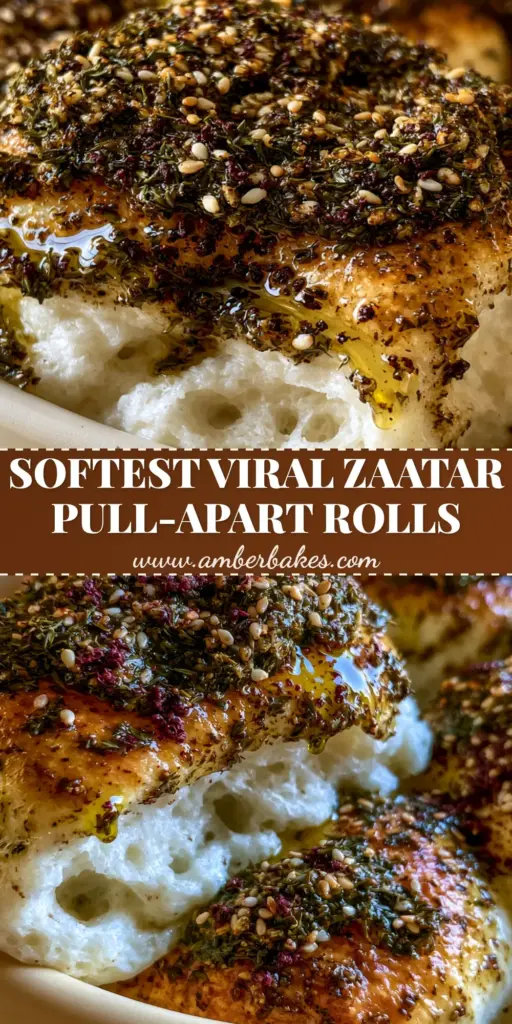
Don’t forget to save this recipe to your favorite boards on Pinterest so you can find it whenever the craving for warm, herbal bread strikes. For more inspiration, check out our other Arabic breakfast recipes and start your morning with the flavors of the Mediterranean.