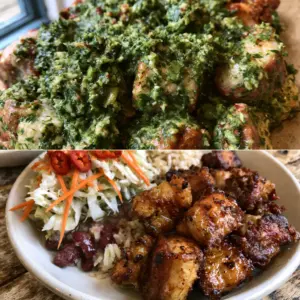
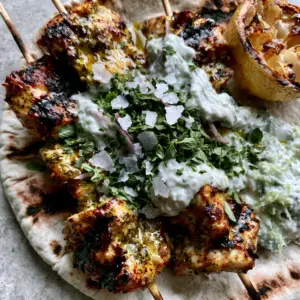
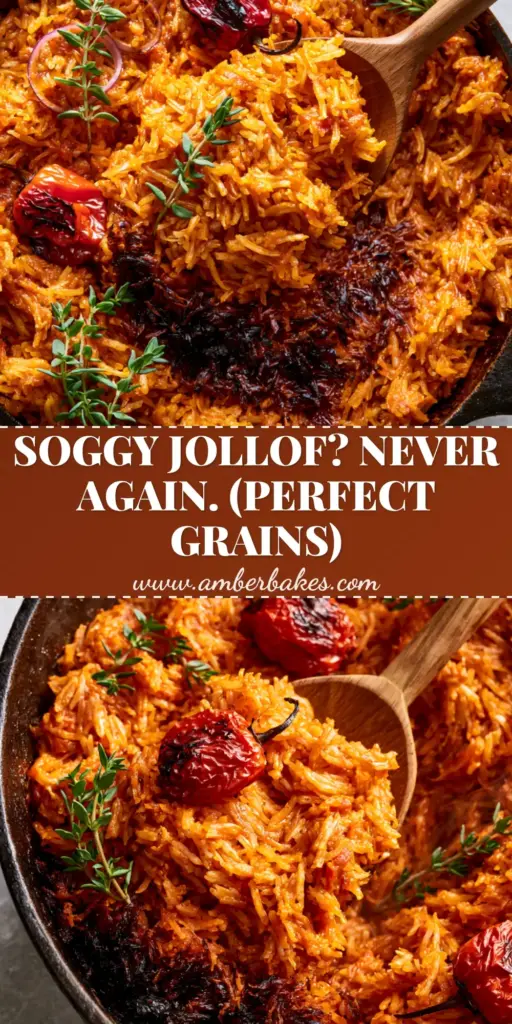
If you are searching for the perfect Cameroonian Jollof Rice, you have arrived at the definitive guide. This isn’t just a side dish; it is a cultural icon, a celebratory centerpiece, and a masterclass in building layers of deep, smoky flavor. Unlike other versions of Jollof Rice, the Cameroon style is celebrated for its rich, vibrant orange-red hue and the specific inclusion of aromatic herbs like fresh thyme and the iconic smoky crust at the bottom of the pot.
Mastering Cameroonian Jollof Rice requires patience and a commitment to the “slow-fry” method. Whether you are comparing it to Nigerian Jollof Rice or the spice profiles of Ghanaian Jollof Rice, this recipe delivers a unique, bold heat balanced by a silky tomato-pepper sauce. Let’s dive into the science of the perfect grain and the art of the charred scotch bonnet.
Why You Will Crave This Authentic Cameroon Style Rice
- Perfectly Separated Grains: No mushy rice here. We use long-grain parboiled rice that stays individual and firm.
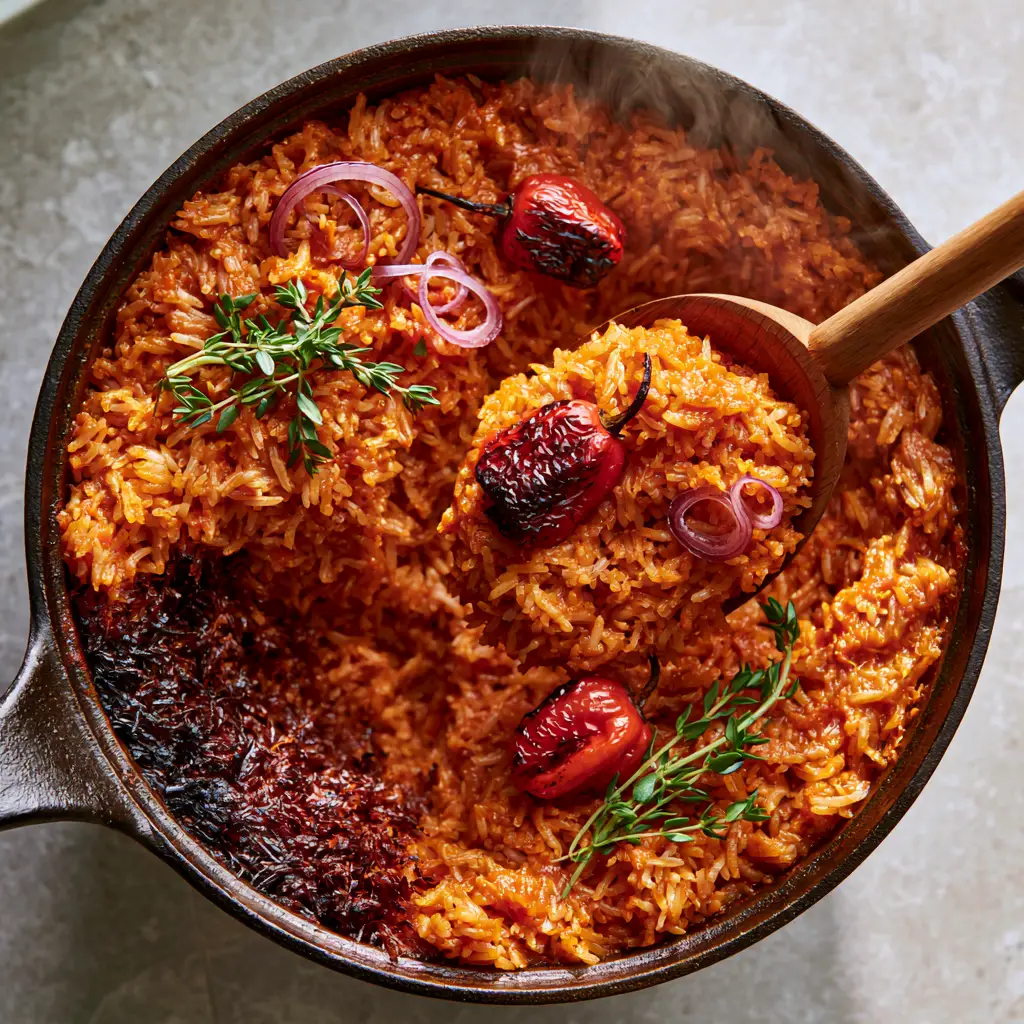
- The Iconic “Bunny” Base: We teach you how to safely achieve that crispy, dark brown burnt rice base (the socarrat of West Africa) that everyone fights over.
- Vibrant Visuals: A stunning orange-red sauce coated in spicy tomato oil, topped with charred whole scotch bonnet peppers and fresh green thyme sprigs.
- Complex Aromatics: The combination of thin raw red onion rings and wisps of steam makes this an olfactory delight.
The Essential Ingredients for Cameroonian Jollof Rice
To achieve the forensic visual accuracy of this dish, you need high-quality ingredients. Every component serves a specific culinary purpose in creating the Cameroonian Jollof Rice flavor profile.
The Rice and Grains
4 cups (800g) Long-Grain Parboiled Rice: Parboiled rice is non-negotiable for this recipe. It has been partially boiled in the husk, which gelatinizes the starch, ensuring the grains remain individual and don’t clump together in the heavy sauce.
The Vibrant Tomato-Pepper Base
4 large Roma Tomatoes (approx. 500g): These provide the bulk of the sauce and the essential acidity.
3 Red Bell Peppers (Tatashe): These give the rice its vibrant orange-red color without adding overwhelming heat.
2-4 Habanero or Scotch Bonnet Peppers: Blended for heat, plus additional whole peppers for charring as a garnish.
1/2 cup (135g) Tomato Paste: Essential for a deep, concentrated color and a thick, rich sauce consistency.
The Aromatics and Fats
1 cup (240ml) Vegetable Oil: Do not skimp on oil. It carries the spice flavors and prevents the rice from sticking, giving it that professional “shiny” finish.
2 large Red Onions: One is blended into the base; the other is sliced into thin raw red onion rings for the final garnish.
4 cloves Garlic and 1-inch (2.5cm) Fresh Ginger: The backbone of West African aromatics.
The Spices and Liquids
4 cups (1 Liter) Beef or Chicken Stock: Use a high-quality, flavorful stock rather than plain water for maximum depth.
2 tbsp (8g) Fresh Thyme Sprigs: Provides a woody, floral note that distinguishes the Cameroon style.
3-4 Dried Bay Leaves: For an earthy, herbal undertone.
1 tbsp Curry Powder and 1 tsp Ground Nutmeg: The secret “warm” spices that elevate the dish.
How to Build the Perfect Flavor Foundation
Success in making Cameroonian Jollof Rice starts with the “stew.” You cannot rush the process of frying the tomato base. If the oil doesn’t separate from the tomatoes, the rice will taste raw and acidic.
Step 1: Blending and Reducing the Base
Start by blending your tomatoes, bell peppers, one onion, garlic, ginger, and half of the scotch bonnets. Pour this mixture into a pot and simmer on medium heat until the liquid has evaporated by half. This concentrates the natural sugars and creates a rich orange-red paste.
Step 2: The Critical Oil Searing
In a large, heavy-based cast iron pot (essential for the burnt base), heat the vegetable oil. Add half of the sliced onions and sauté until translucent. Add the tomato paste and fry for 5-7 minutes. Bold Tip: You must stir constantly to prevent burning, but you want the paste to turn a dark maroon color.
Cooking the Rice to Perfection
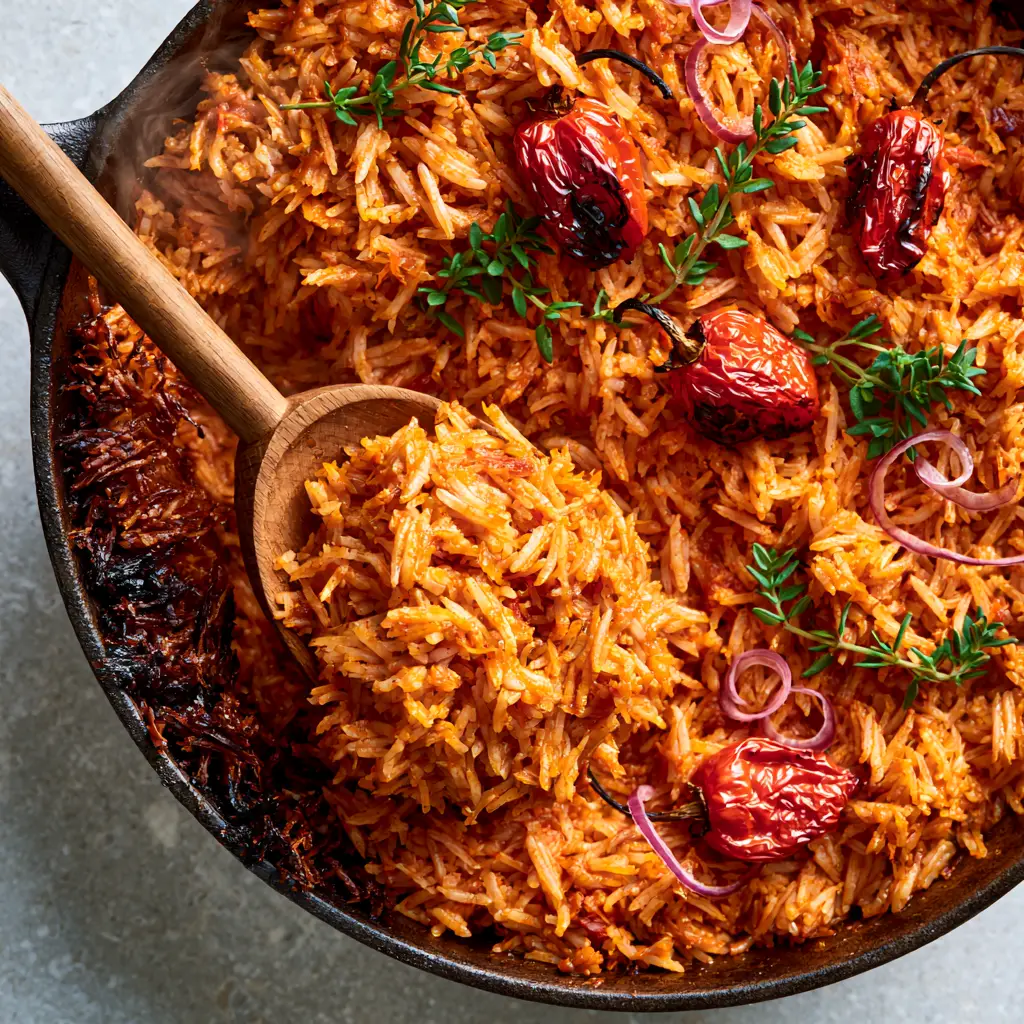
Now comes the integration phase. Incorporate the reduced tomato-pepper puree into the fried paste. Add your curry powder, nutmeg, thyme, bay leaves, and bouillon. Fry this mixture together for another 10 minutes. The oil should begin to float to the top; this is your spicy tomato oil.
Step 3: Integrating the Grains
Wash your 4 cups (800g) of parboiled rice thoroughly in warm water until the water runs clear. Add the rice to the pot and stir vigorously. Every single grain should be coated in the vibrant orange-red sauce. This ensures flavor penetration.
Step 4: The Steaming Process
Pour in your 4 cups (1 liter) of stock. The liquid should just barely cover the rice. Cover the pot tightly with a layer of aluminum foil, then the lid. Cameroonian Jollof Rice is steamed, not boiled. Reduce the heat to the lowest possible setting and let it cook for 30-35 minutes.
Achieving the Crispy Burnt Rice Base
In Cameroon, the “burnt” part of the Jollof is often the most prized. Once the rice is tender and the liquid is absorbed, turn the heat up to medium-high for exactly 3-5 minutes. You should hear a distinct crackling sound. This creates the crispy dark brown burnt rice base visible in the Midjourney prompt.
“The secret to the best Jollof is the steam. Do not keep opening the lid, or you will lose the heat necessary to cook the grains through to the center.”
Final Touches and Garnish for Visual Impact
To match the forensic visual blueprint, we must garnish with precision. While the rice is finishing, take 2-3 whole scotch bonnet peppers and char them quickly over an open flame or in a hot dry skillet until the skin is blistered and blackened in spots.
Fluff the rice gently with a wooden spoon, ensuring you lift some of the crispy base to the surface. Top the dish with the charred whole scotch bonnet peppers, fresh green thyme sprigs, and delicate rings of raw red onion. The contrast of the green herbs against the orange-red rice is what makes this dish viral-ready on Pinterest.
Expert Tips for Success
- Don’t Over-Water: If you add too much stock, the rice will become a mash. It is better to start with less and add a splash more if the rice is still hard after 30 minutes.
- Use a Heavy Pot: A rustic black cast iron pot or a Dutch oven is best for heat distribution and creating that coveted crust.
- The Foil Trick: Using foil under the lid traps the steam, ensuring the rice cooks evenly without needing excess water.
- Rest the Rice: Let the pot sit, covered, for 10 minutes after turning off the heat. This allows the moisture to redistribute.
Storage, Reheating, and Freezing
Storage: Store leftovers in an airtight container in the refrigerator for up to 4 days. The flavors actually improve the next day!
Reheating: Reheat in a microwave with a damp paper towel over the top to maintain moisture, or on the stovetop with a tablespoon of water.
Freezing: You can freeze Cameroonian Jollof Rice for up to 3 months. Thaw overnight in the fridge before reheating.
What to Serve with Cameroonian Jollof Rice
While this rice is a meal on its own, it pairs beautifully with traditional West African proteins. Try it with grilled “Poulet DG” style chicken, fried plantains (dodo), or a side of spiced meatballs for a fusion twist. If you want a lighter side, a simple cucumber and tomato salad provides a refreshing crunch against the spicy rice.
Frequently Asked Questions
They are primarily for aroma and visual presentation. However, those who enjoy extreme heat can break them into the rice. Charring them adds a distinct smoky fragrance to the entire pot.
While you can, it is not traditional for Cameroonian Jollof. Basmati is softer and more prone to breaking. Long-grain parboiled rice is recommended for the authentic, firm texture.
Use a heavy-bottomed cast iron pot. Once the rice is cooked, turn the heat to medium-high for 3-5 minutes until you hear crackling. The moisture in the rice prevents the pot from sustaining damage while the bottom layer caramelizes.
Cameroonian Jollof Rice often uses a higher ratio of fresh herbs like thyme and basil, and specifically prioritizes the use of long-grain parboiled rice to ensure distinct grains. The flavor profile is deeply smoky, often achieved through a longer frying process of the tomato base.
Mushy rice usually results from adding too much stock or not washing the starch off the rice thoroughly. Ensure the liquid level only just covers the rice, and rely on steam (using foil) to finish the cooking.
The Definitive Cameroonian Jollof Rice Recipe
Cameroonian Jollof Rice: The Ultimate Smoky One-Pot Masterpiece
Ingredients
Equipment
Method
- Blend tomatoes, bell peppers, one onion, garlic, ginger, and scotch bonnets until smooth.
- Simmer the blended mixture in a pot over medium heat for 15 minutes to reduce liquid.
- In a cast iron pot, heat oil and sauté remaining sliced onions and tomato paste for 7 minutes.
- Add the reduced tomato puree and spices; fry until oil separates and floats to the top.
- Stir in washed parboiled rice until every grain is coated in the vibrant orange-red sauce.
- Add stock, cover with foil and a lid, and cook on low for 30-35 minutes.
- Turn up heat for 3-5 mins for the burnt base. Garnish with charred whole peppers, raw onion rings, and thyme sprigs.
Notes
Do not omit the foil; it is the key to perfect steaming.
Save and Share This Recipe!
If you loved this Cameroonian Jollof Rice, don’t forget to save it to your African Recipes or One-Pot Meals board on Pinterest! Hover over the image above and click the “Save” button.
I want to see your results! Did you get that perfect burnt base? Snap a photo and share it in the comments below or tag @amber_bakes on social media. Please leave a 5-star rating in the recipe card if this is the best Jollof you’ve ever had!