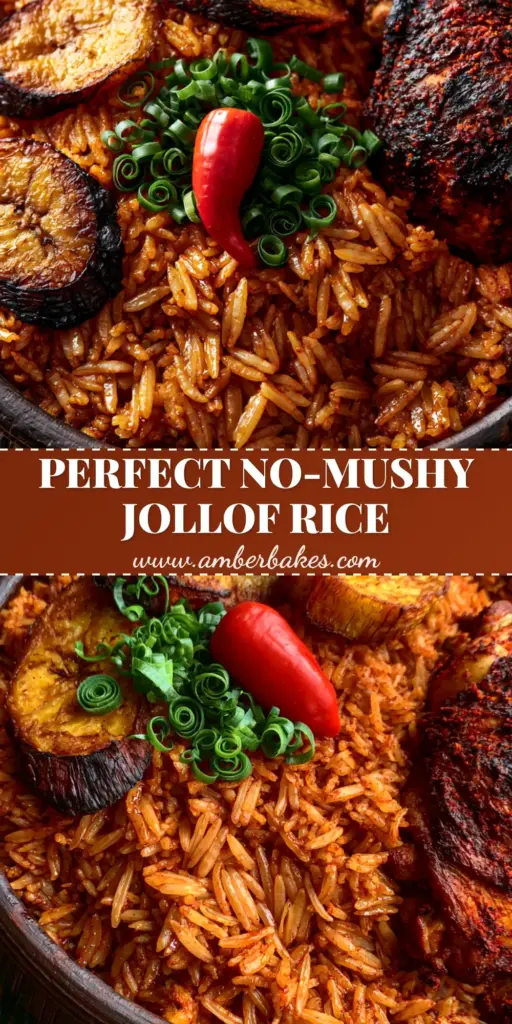
Ghanaian jollof rice is more than just a meal; it is a cultural icon, a centerpiece of celebration, and the subject of intense, friendly culinary debates across West Africa. When you look at a bowl of authentic Ghanaian jollof, you aren’t just looking at rice—you are looking at a labor of love that balances heat, acidity, and a deep, savory umami profile. Unlike other varieties, the hallmark of a true Ghana jollof rice is the use of long-grain parboiled rice that remains perfectly separated, glistening with a light coating of flavorful oil and a rich, reddish-orange stew base.
Whether you are preparing this for a festive gathering or a cozy Sunday dinner, achieving that signature smoky “party” flavor is the goal. This recipe focuses on the foundational techniques of Ghanaian cuisine: the slow-reduced tomato and pepper stew, the pungent aromatics of fresh ginger and garlic, and the critical steaming method that prevents clumping. If you have ever wondered why your rice turns out mushy, this guide will transform your cooking process into a masterclass in texture and taste.
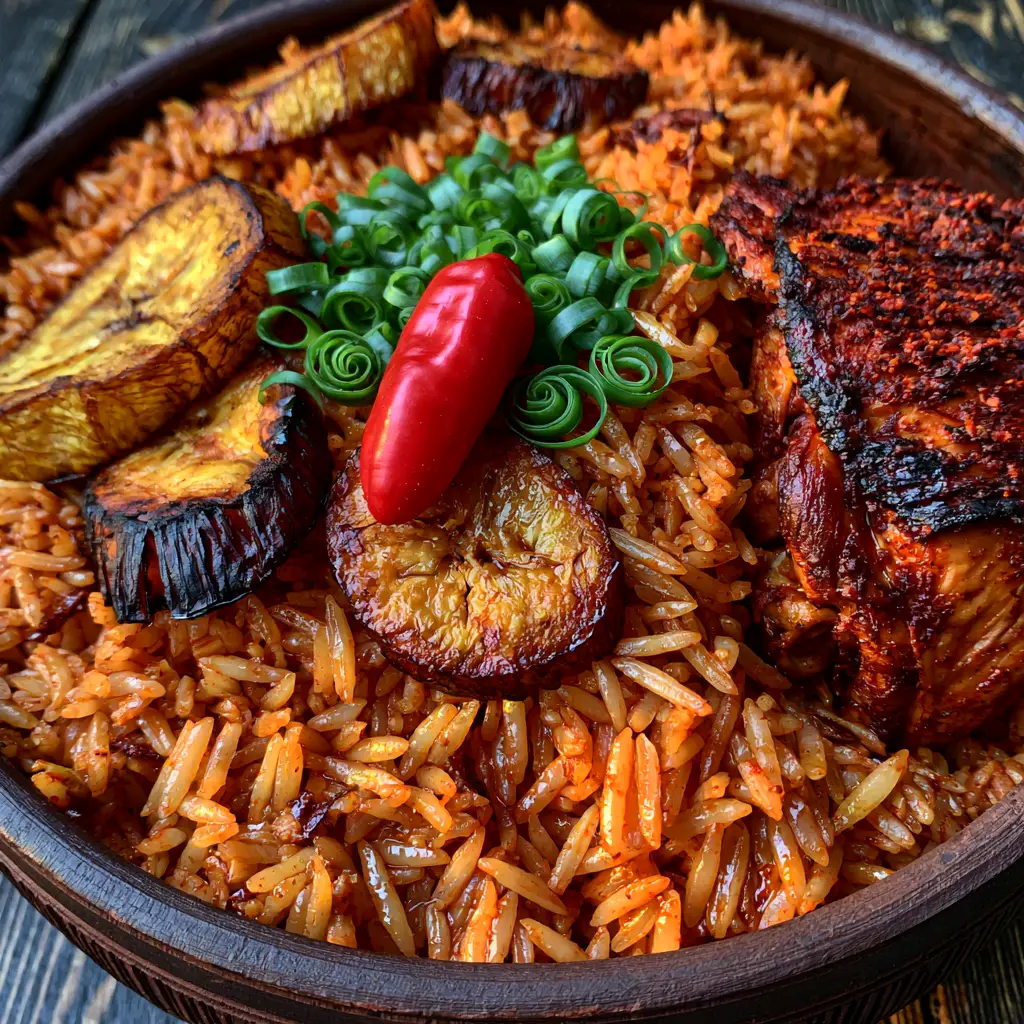
Why This Is the Only Ghanaian Jollof Rice Recipe You Need
- Separated, Non-Clumpy Grains: We use specific steaming techniques to ensure every single grain of long-grain parboiled rice stands alone.
- Deep Umami Base: The secret lies in the concentrated tomato and red pepper stew, fried until the oil separates for maximum flavor depth.
- Authentic Visuals: From the charred grilled chicken skin to the caramelized fried plantains, this dish looks exactly like the high-end versions served in Accra.
- Perfect Spice Balance: The inclusion of a whole red scotch bonnet pepper provides an aromatic heat that infuses the rice without making it overwhelmingly spicy.
The Blueprint: Essential Ingredients and Their Purpose
To recreate the exact visual and flavor profile of the Ghanaian jollof rice seen in our photography, you must use high-quality ingredients. Each component serves a specific culinary function to build layers of flavor.
Long-Grain Parboiled Rice: 3 cups (600g). This is non-negotiable for the Ghanaian style. Parboiled rice has a tougher starch structure, which allows it to withstand the long steaming process without breaking or becoming mushy, unlike the jasmine rice often used in a Nigerian jollof rice.
The Stew Base: A blend of 4 large Roma tomatoes, 2 red bell peppers, and 2 medium red onions. This creates the vibrant reddish-orange hue and the sweet, savory backbone of the dish. We will blister the tomatoes slightly during the process to add a hint of smokiness.
Aromatic Trio: 2 inches (5cm) of fresh ginger, 6 cloves of garlic, and 1 large onion for frying. These aromatics provide the sharp, fragrant top notes that cut through the richness of the oil.
Tomato Paste: 6 oz (170g). This is used to deepen the color and add a concentrated tomato tang that fresh tomatoes alone cannot provide.
Oil for Searing: 1/2 cup (120ml) of vegetable or canola oil. You need enough oil to fry the stew base until it “splits”—this is where the flavor lives.
Seasoning Essentials: 2 bouillon cubes (maggi), 1 tsp (5ml) curry powder, 1 tsp (5ml) dried thyme, and salt to taste. These are the invisible heroes of West African cooking.
Proteins & Sides: 4 pieces of chicken thigh (for that succulent grilled chicken with charred skin) and 2 ripe yellow plantains (for the dark caramelized edges).
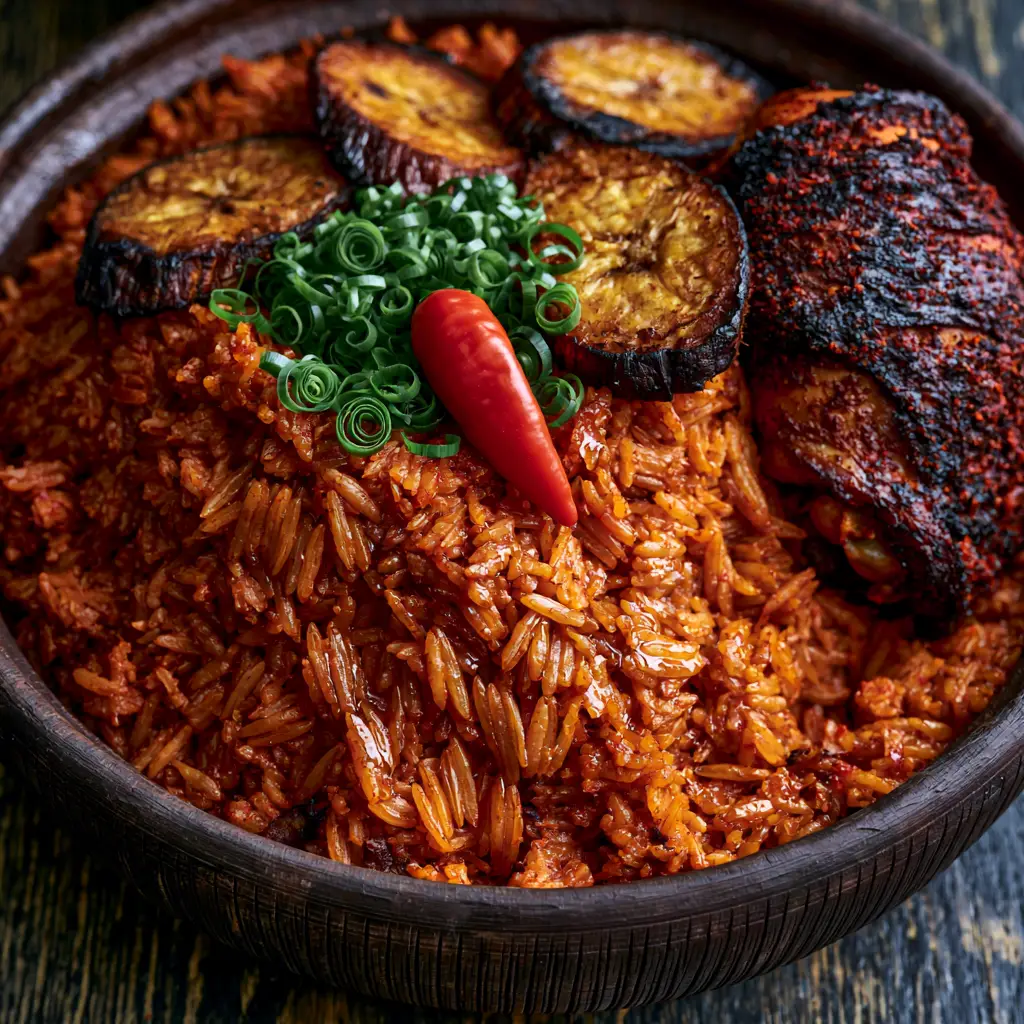
Step-by-Step: Mastering the Ghanaian Jollof Technique
1. Preparing the Vibrant Stew Base
Start by blending your Roma tomatoes, red bell peppers, and scotch bonnet peppers until smooth. In a heavy-bottomed pot (or a traditional Asanka bowl if you have one for serving), heat the oil over medium heat. Add your sliced onions and sauté until translucent.
Add the tomato paste. This is a critical step: fry the tomato paste for 5-8 minutes, stirring constantly. You want it to lose its raw metallic taste and turn a dark, brick-red color. This builds the foundation for the deep reddish-orange rice.
2. The Aromatic Infusion
Add your blended ginger, garlic, and onion paste to the pot. The smell will be incredible. Pour in the blended tomato and pepper mixture. Reduce the heat to medium-low and let it simmer. You are looking for a specific visual cue: the oil must rise to the top and the sauce must thicken significantly. If you see the oil separating from the tomato solids, your stew is ready.
3. Toasting the Grains
Wash your 3 cups (600g) of parboiled rice in warm water until the water runs clear. Drain thoroughly. Add the rice to the stew. Stir the rice for 3-5 minutes before adding any liquid. This “toasts” the grains in the flavorful oil, ensuring they stay separated and non-clumpy.
4. The Low-Moisture Steam
Add 2 cups (480ml) of chicken stock or water. The liquid should barely cover the rice. Season with your bouillon, curry, and thyme. Place a whole red scotch bonnet pepper on top for aroma.
Cover the pot with a piece of foil or parchment paper, then fit the lid tightly. Ghanaian jollof rice is steamed, not boiled. The steam trapped by the foil cooks the rice gently, resulting in that glistening, individual-grain texture. Cook on the lowest heat possible for 30-40 minutes.
5. Achieving the Perfect Char
While the rice steams, season your chicken thighs with ginger, garlic, and salt. Grill them over high heat until the grilled chicken skin is deeply charred and crispy, while the meat remains succulent. Simultaneously, fry your plantain slices in hot oil until they develop those iconic dark caramelized edges.
Expert Tips for Success
- The Foil Trick: Never skip the foil. It is the only way to ensure the top layer of rice cooks at the same rate as the bottom without adding excess water that leads to sogginess.
- The Kanzo: In Ghana, the slightly burnt rice at the bottom of the pot is called “Kanzo.” It is highly prized for its intense smoky flavor. Don’t be afraid if the bottom gets a little dark!
- Rice Quality: If you can find it, use “long-grain parboiled” specifically. It behaves differently than standard long-grain white rice or East African pilau.
- Patience with the Stew: If you rush the frying of the tomato base, your jollof will taste like raw tomatoes. Wait for the oil to separate!
Storage, Reheating & Freezing
Storage: Ghanaian jollof rice stores beautifully. Place it in an airtight container in the fridge for up to 5 days. The flavors actually deepen overnight!
Reheating: To maintain the separated long-grain texture, reheat in the microwave with a damp paper towel draped over the bowl, or steam it briefly on the stovetop with a tablespoon of water.
Freezing: You can freeze jollof rice for up to 3 months. Thaw in the fridge overnight before reheating.
What to Serve With Ghanaian Jollof Rice
While this dish is a powerhouse on its own, it is traditionally served with a side of shito (a spicy Ghanaian black pepper sauce) and a cool salad or coleslaw to balance the heat. If you enjoy variety, you might also serve it alongside shrimp rice bowls for a surf-and-turf feast. For a different flavor profile, consider comparing it to Cameroonian jollof rice at your next dinner party.
Frequently Asked Questions
Yes, for the authentic Ghanaian texture where grains are separated and firm, parboiled rice is essential. Basmati or Jasmine rice tend to be too soft and sticky for this specific style.
The smoky flavor comes from allowing the bottom of the rice to slightly toast (Kanzo) and by thoroughly frying the tomato stew until it is highly concentrated.
It has a kick! However, by keeping the scotch bonnet pepper whole during the steaming process, you get the aromatic oils and flavor without the intense heat of the seeds.
Mushy rice usually happens if you use too much water or the wrong type of rice. Ensure you use long-grain parboiled rice and follow the steaming method using foil with minimal liquid.
The Authentic Ghanaian Jollof Recipe Card
Ghanaian Jollof Rice: The Ultimate Guide to Smoky, Grain-by-Grain Perfection
Ingredients
Equipment
Method
- Heat oil and sauté sliced onions, then add tomato paste and fry for 8 minutes until brick red.
- Add blended tomato and pepper mix. Simmer until the oil separates and rises to the top.
- Add washed parboiled rice to the stew. Stir for 5 minutes to coat every grain in oil.
- Add stock, seasonings, and the whole scotch bonnet. Cover with foil and a lid. Cook on very low heat for 35 minutes.
Notes
Use a tight foil seal to prevent steam from escaping, which ensures the rice stays separated and firm.
Save This Recipe to Pinterest!
Do you want to master the art of the perfect Ghanaian jollof rice? Hover over any image to save this to your Pinterest boards! Following @amber_bakes ensures you never miss a deep dive into authentic global flavors.
If you made this dish, we want to see your results! Did you get those caramelized fried plantains just right? Share a photo in the comments below and don’t forget to leave a 5-star rating if this recipe helped you achieve jollof perfection!