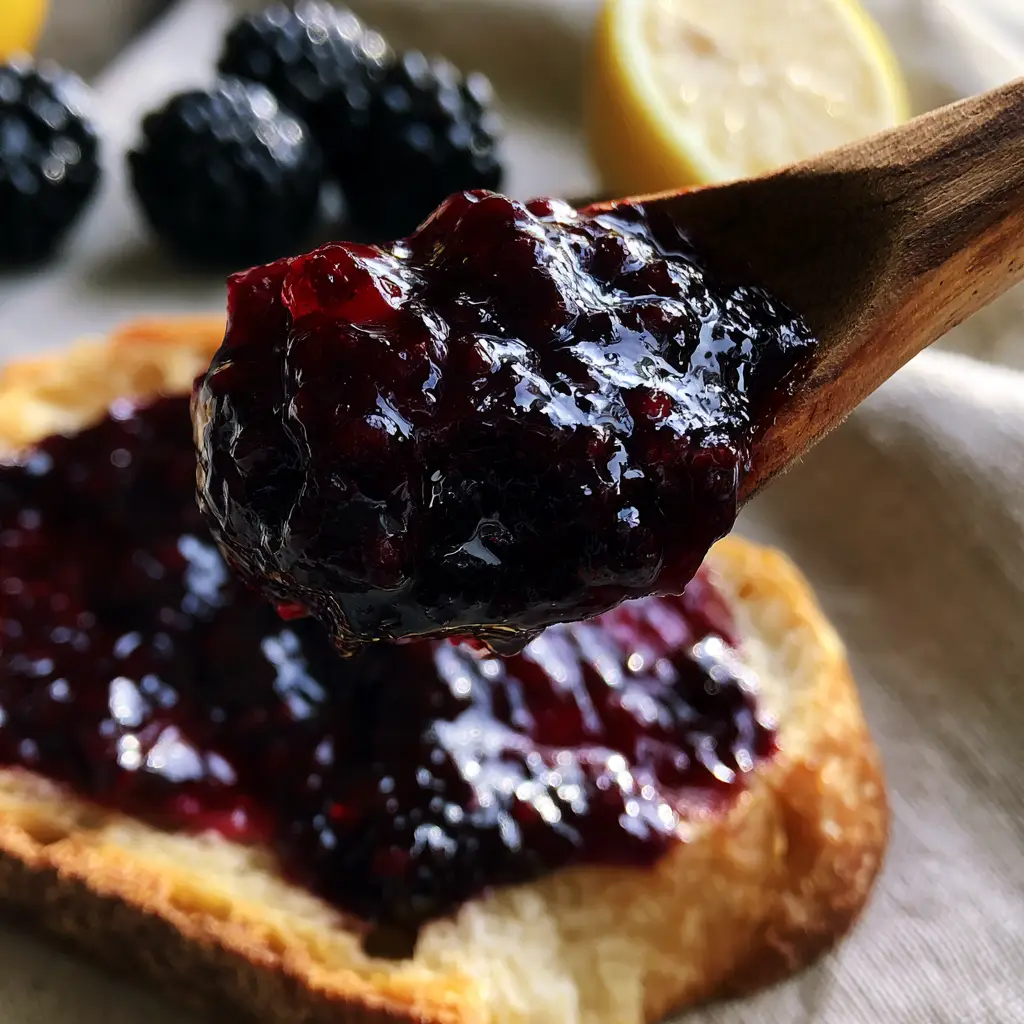
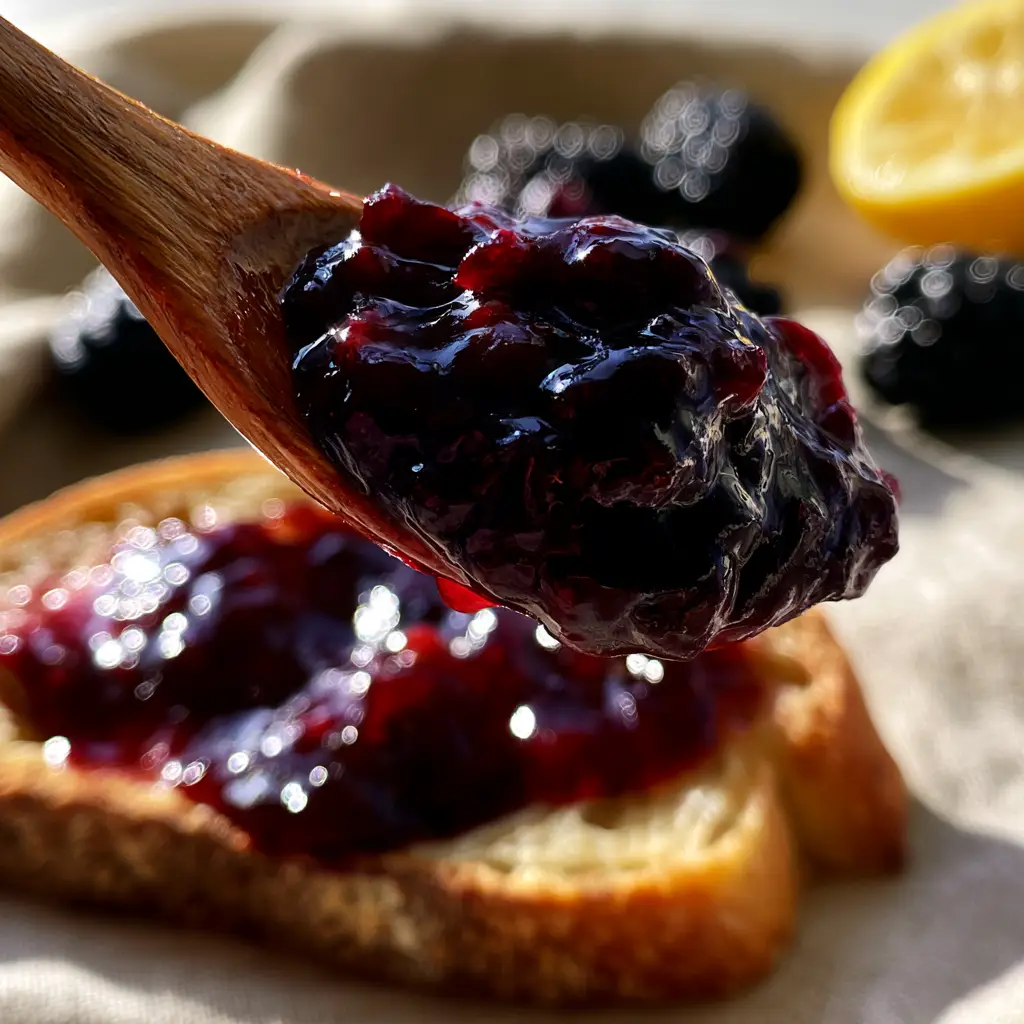
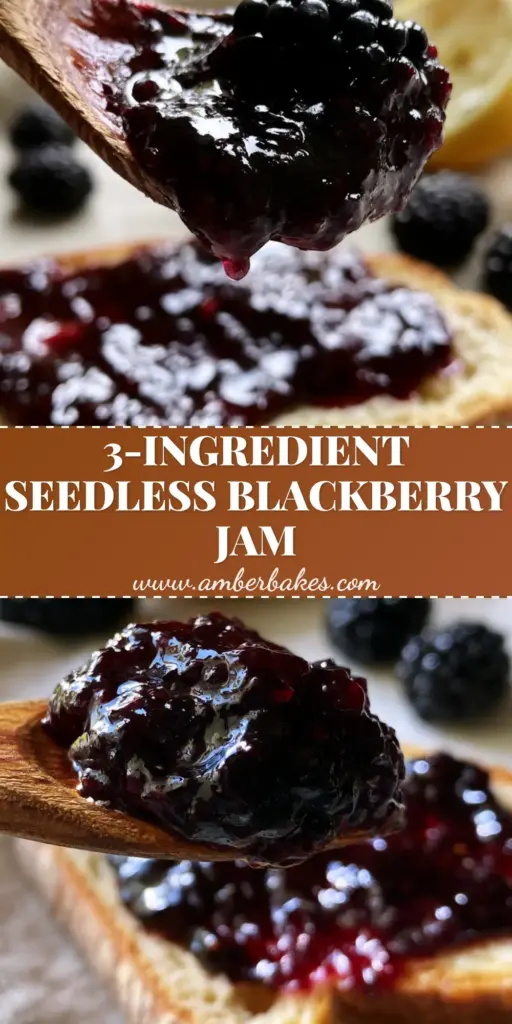
There is a specific, primal satisfaction in witnessing the transformation of wild, dusty berries into a heavy, thick glob of deep obsidian-purple preserve. This blackberry jam recipe is designed to produce a result that is less like a grocery store condiment and more like liquid stained glass. When you lift a rustic wooden spoon from the pot, the jam should cling in a glistening, high-gloss sheet, catching the morning light with sharp specular highlights.
Achieving that perfect, viscous texture requires a delicate balance of chemistry and patience. We are moving beyond the watery, runny syrups of amateur canning to create a jam that is glass-smooth and entirely seedless. Every bite on a thick slice of toasted sourdough bread should offer a concentrated explosion of dark fruit, brightened by a necessary hit of citrus acidity.
The Structural Secrets of a High-Gloss, Seedless Preserve
- Seedless Sophistication: By removing the drupelets, we create a velvet-smooth mouthfeel that allows the complex floral notes of the blackberry to shine without interference.
- The Pectin Powerhouse: Utilizing both natural fruit pectin and fresh lemon juice ensures a structural set that is “jammy,” not runny, maintaining a heavy glob consistency.
- Obsidian Saturation: A controlled, rapid boil preserves the deep, dark pigments of the berries, resulting in a rich color saturation that looks stunning against neutral linen.
- High-Gloss Sheen: We incorporate a tiny, invisible amount of unsalted butter to break the surface tension and eliminate foam, ensuring a mirror-like finish.
The Components of a Deep Obsidian Spread
Fresh, Plump Blackberries: You will need 2 lbs (907g) of the darkest berries you can find. Look for fruit that feels heavy for its size and exhibits a natural matte finish, which indicates they are ripe and bursting with juice.
Granulated White Sugar: We use 3 cups (600g) of sugar to act as the primary preservative and bulking agent. Sugar is hygroscopic, meaning it binds with water to help the pectin strands form a mesh, creating that signature viscosity.
Freshly Squeezed Lemon Juice: 1/4 cup (60ml) of lemon juice provides the acid necessary to lower the pH of the mixture. This is the scientific “trigger” that allows pectin to bond; without it, your jam will remain a syrup.
Lemon Zest: The zest of half a lemon contains concentrated natural oil and extra pectin. It adds a top-note of brightness that cuts through the deep, earthy sweetness of the cooked berries.
Optional Unsalted Butter: Just 1/2 tsp (2.5g) of butter is the professional secret for a glass-smooth surface. It acts as a surfactant, preventing the foam that usually clouds the top of homemade preserves.
Essential Tools for Culinary Forensics
To achieve the visual result of an extreme close-up worthy spread, you need a heavy-bottomed Dutch oven or a wide stainless steel preserving pan. The surface area is critical; a wider pan allows for faster evaporation, which keeps the colors vibrant rather than muted and over-cooked.
You will also require a fine-mesh sieve or a food mill. This is the only way to achieve the seedless, “glass-smooth” texture described in our visual blueprint. Finally, keep a few metal spoons in the freezer to perform the “wrinkle test” during the final stages of boiling.
The Step-by-Step Path to Seedless Perfection
Preparing the Berry Base
Begin by rinsing your blackberries under cold water, ensuring you see those tiny dewy water droplets on the skins. In a large bowl, use a potato masher to crush the berries into a thick, pulpy mass. This initial breakdown releases the juice and prepares the fruit for the straining process.
Extracting the Glass-Smooth Essence
Set your fine-mesh sieve over a large measuring jug or bowl. Pour the crushed berries into the sieve and use the back of a heavy wooden spoon to press the pulp through. Discard the seeds remaining in the sieve; you should be left with a deep purple, opaque liquid that smells intensely of summer.
The Concentrated Boil
Combine the seedless blackberry juice, sugar, lemon juice, and zest in your heavy pan. Add the small knob of butter now to ensure a high-gloss sheen. Heat over medium-low, stirring constantly until the sugar has completely dissolved—you should not feel any grit against the bottom of the pan.
Reaching the Gel Point
Increase the heat to medium-high and bring the mixture to a rolling boil. Do not leave the stove; you are looking for a specific sensory cue. The bubbles will transition from small and thin to large, heavy “plopping” bubbles that sound more viscous. This is the sound of moisture escaping and the jam thickening into a heavy glob.
The Cold Plate Test
After about 15-20 minutes of boiling, place a small dollop of jam onto one of your frozen spoons. Let it sit for 30 seconds, then push it with your finger. If the surface wrinkles and the jam holds its shape rather than running back into the gap, you have reached the perfect set.
Expert Tips for Success
- Avoid Overcooking: If you boil the jam too long, the sugar will caramelize and the vibrant obsidian color will turn a dull, burnt brown.
- Scale Carefully: Do not double this recipe in one pot. Jam needs a high ratio of surface area to volume to set quickly; doubling the batch often results in a “soft set” or runny jam.
- The Foam Secret: If you choose not to use butter, you must skim the pink foam off the top with a spoon during the boil to ensure the final product is transparent and glistening.
- Sourdough Synergy: For the best experience, serve this on a thick, toasted slice of sourdough. The acidity of the bread balances the intense sweetness of the fruit perfectly.
Optimal Storage and Shelf Life
If you are not using a traditional water bath canning method, this jam will stay fresh in an airtight glass jar in the refrigerator for up to 3 weeks. The cold temperature will further firm up the pectin, making the jam even more viscous and spreadable.
For long-term storage, follow standard canning procedures, processing the jars in boiling water for 10 minutes. This will allow you to store your obsidian-purple creation in a cool, dark pantry for up to a year, though the flavor is always most vibrant within the first six months.
What to Serve With This Obsidian Delight
While a heavy glob of jam on sourdough is the gold standard, this preserve is incredibly versatile. Use it as a filling for a decadent dessert after a meal of teriyaki salmon or as a sweet contrast to a savory jollof rice feast. Its deep color makes it a stunning addition to a breakfast board alongside a Hawaiian-style fruit platter.
If you enjoy experimenting with fruit profiles, you might also love our strawberry rum cocktails, which utilize similar berry reduction techniques. For a refreshing palate cleanser, follow a jam-heavy breakfast with a crisp watermelon salad.
Frequently Asked Questions
No, this recipe relies on the natural pectin found in blackberries and lemon zest. The addition of lemon juice provides the necessary acidity to trigger a firm, jammy set.
To achieve a glass-smooth texture, you must crush the berries and pass the pulp through a fine-mesh sieve or food mill before cooking, effectively removing all seeds.
The secret to a mirror-like finish is adding a tiny amount of butter during the boil. This prevents foam from forming, which otherwise creates a dull, cloudy appearance.
Jam usually fails to set due to insufficient acid or heat. Ensure you use the full amount of lemon juice to activate the pectin and boil until the ‘wrinkle test’ on a cold spoon is successful.
The Master Blackberry Jam Recipe
Blackberry Jam Recipe: The Ultimate Seedless, Obsidian-Purple Spread
Ingredients
Equipment
Method
- Mash the blackberries in a large bowl. Pass the pulp through a fine-mesh sieve into a clean bowl, using a spoon to extract all the juice while leaving the seeds behind.
- Combine the seedless juice, sugar, lemon juice, zest, and butter in a heavy pot. Stir over medium-low heat until sugar dissolves, then bring to a rapid boil.
- Boil for 15-20 minutes until the mixture thickens. Perform the wrinkle test by placing a dollop on a cold metal spoon; if it wrinkles when pushed, it is ready.
- Pour the hot jam into sterilized glass jars. Allow to cool completely at room temperature before refrigerating to set fully into a heavy glob.
Notes
Always perform the cold spoon test to avoid overcooking the pectin.
Closing & Call to Action
Creating this blackberry jam recipe is an exercise in sensory cooking—from the sound of the heavy boil to the sight of that obsidian sheen catching the light. It is a luxurious addition to any pantry and a perfect gift for fellow food lovers. If you make this recipe, I would love to see your results! Tag me in your photos and be sure to save this pin to your favorite boards on Pinterest for your next weekend brunch project.