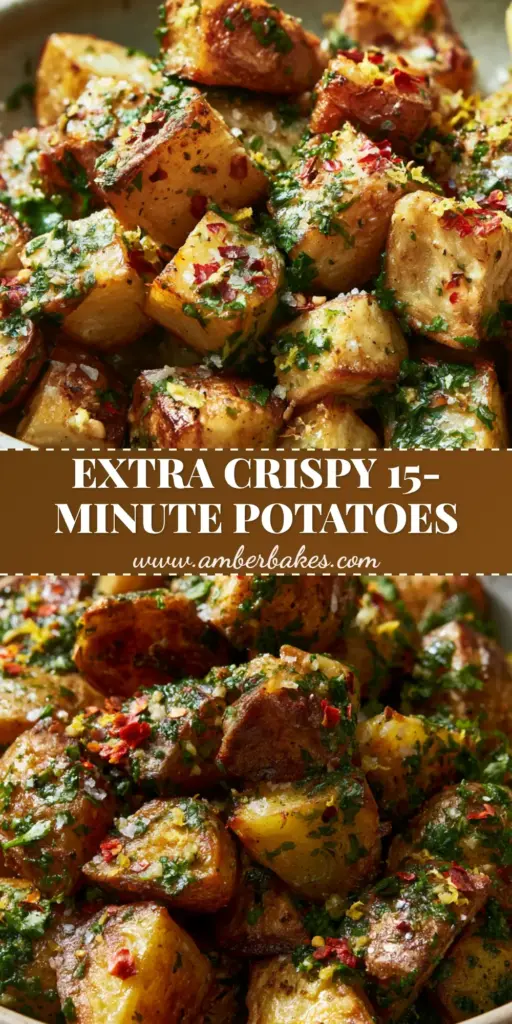
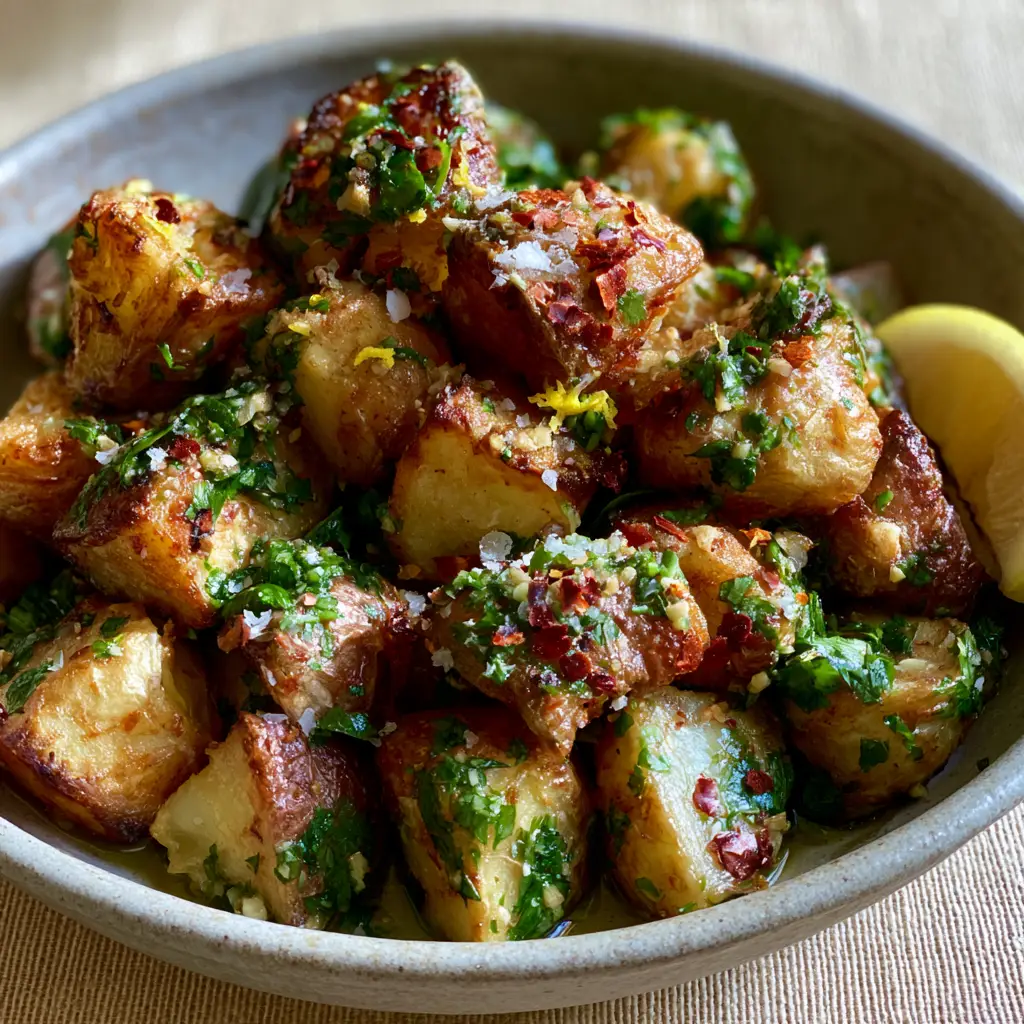
Lebanese spicy potatoes, known traditionally as Batata Harra, are the undisputed crown jewel of the Middle Eastern mezze table. There is a specific, soul-satisfying magic that happens when cubed Yukon Gold potatoes meet high heat, transforming into deep golden-brown treasures with visible blistered, airy skin and jagged crunchy edges. This isn’t just a side dish; it is a masterclass in texture and aromatic layering.
If you have ever stared at a photo of perfectly glistening Lebanese spicy potatoes and wondered how to achieve that vibrant emerald-green herb coating at home, you are in the right place. We are going to deconstruct the science of the “triple-crunch” potato and the precise moment to toss them in garlic-infused oil to ensure every bite is a sensory explosion. From the dusting of sea salt crystals to the tiny specks of yellow lemon zest, every element is designed for maximum flavor impact.
Imagine a shallow, rustic matte-grey ceramic bowl filled with these spicy gems, their surfaces reflecting the soft natural daylight as the aroma of sautéed garlic and fresh cilantro fills your kitchen. Whether you are serving this as part of a lavish spread alongside tender Shish Tawook or as a standalone snack, this recipe delivers a restaurant-quality result that looks as stunning as it tastes.
The Visual and Textural Anatomy of Perfect Batata Harra
To achieve the authentic look and feel of high-end Lebanese spicy potatoes, we must focus on three specific pillars of culinary execution. This recipe is engineered to replicate the “macro close-up” quality of professional food photography through specific techniques.
- The Blister Factor: We utilize an alkaline parboiling method to break down the potato starch, creating a slurry on the surface that fries into an airy, extra-crispy skin.
- The Emerald Coating: By flash-sautéing the cilantro and garlic in premium olive oil, we create a vibrant herb oil that clings to the jagged edges without making them soggy.
- The Citrus Finish: Fresh lemon zest and a single tucked lemon wedge provide the necessary acidity to cut through the richness of the fried potato.
- The Heat Profile: Scattered bright red chili flakes provide a customizable heat that glows against the deep golden-brown potato cubes.
The Essential Pantry for Authentic Lebanese Spicy Potatoes
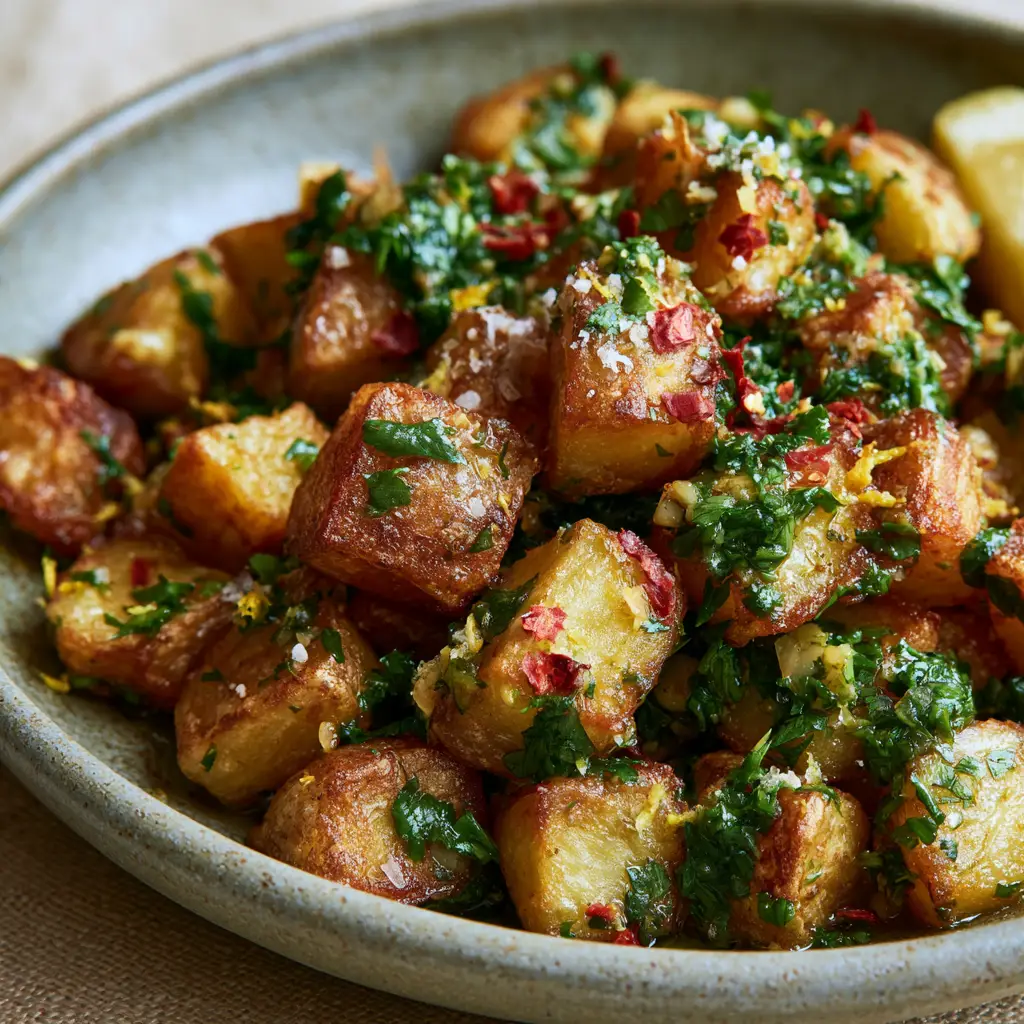
To create the “jagged crunchy edges” described in our visual blueprint, you need more than just potatoes; you need the right structural and foundational ingredients. These “invisible” components are the secret to that professional, glistening finish.
Yukon Gold Potatoes: 2 lbs (907g) of Yukon Golds are preferred over Russets because they hold their cubic shape while developing a creamy interior that contrasts the blistered exterior. Their naturally buttery hue contributes to that deep golden-brown final aesthetic.
Extra Virgin Olive Oil: 1/2 cup (120ml) of high-quality oil is essential for both the high-heat searing and the creation of the herb oil. It provides the gentle glisten seen on the oil-coated surfaces of the finished dish.
Fresh Cilantro: 1 large bunch (approx. 50g) of finely chopped fresh cilantro creates the “vibrant emerald-green” look. It must be fresh; dried cilantro will not achieve the required visual or aromatic intensity.
Garlic Cloves: 6-8 cloves (30g) of minced garlic provide the savory backbone of the dish. Sautéing them until they are just “bits” ensures they integrate into the herb oil perfectly.
Red Chili Flakes: 1 tsp (2g) of bright red flakes offers the signature “Harra” (spicy) kick. They should be scattered at the end to maintain their bright color against the potatoes.
Baking Soda: 1/2 tsp (3g) added to the boiling water is the “secret” ingredient. It raises the pH of the water, breaking down the potato’s pectin and creating more surface area for maximum crunch.
Lemon Components: 1 tsp (2g) of fresh lemon zest and 1 whole lemon (cut into wedges) provide the bright yellow specks and the final hit of acid. The zest is crucial for that macro-level detail.
Coarse Sea Salt: 1 tsp (6g) of sea salt crystals provides a visible dusting and a tactile crunch that standard table salt simply cannot match.
Must-Have Equipment for High-Heat Precision
Achieving the airy, extra-crispy skin seen in our Midjourney prompt requires a few specific tools to manage heat and moisture effectively. Without these, the potatoes may steam rather than sear.
A large heavy-bottomed skillet, preferably cast iron or stainless steel, is non-negotiable for getting those blistered edges. You also need a large slotted spoon to transfer the potatoes without breaking the delicate, parboiled edges. A fine-mesh zester is required for those “tiny specks” of lemon zest that add the final professional touch.
Mastering the Triple-Crunch Technique: Step-by-Step
Phase 1: The Alkaline Parboil
Start by peeling your Yukon Gold potatoes and cutting them into uniform 1-inch (2.5cm) cubes. Bring a large pot of water to a boil and add a generous pinch of salt and the 1/2 tsp (3g) of baking soda. The water will foam slightly; this is normal.
Boil the potatoes for exactly 8-10 minutes. You want the edges to be soft and “fuzzy” when poked with a fork, but the centers should still be firm. Drain them thoroughly and let them sit in the colander for 2 minutes to allow steam to escape—moisture is the enemy of the crunch.
Phase 2: Developing the Golden Blister
Heat 1/4 cup (60ml) of the olive oil in your heavy skillet over medium-high heat. Once the oil is shimmering (a sensory cue for 375°F/190°C), carefully add the potatoes. Do not crowd the pan; work in batches if necessary.
Sear the potatoes for 12-15 minutes, tossing occasionally, until they are deep golden-brown with visible blistered skin. You are looking for those jagged, crunchy edges to form as the starches caramelize. Once crispy, remove the potatoes to a paper-towel-lined plate.
Phase 3: The Emerald Herb Oil Infusion
Wipe out the skillet and add the remaining 1/4 cup (60ml) of olive oil over medium heat. Add the minced garlic bits and sauté for 1-2 minutes until fragrant but not browned. If the garlic burns, it will become bitter and ruin the emerald-green aesthetic.
Immediately stir in the finely chopped cilantro and red chili flakes. The oil will turn a vibrant green almost instantly. Toss the crispy potatoes back into the pan, coating every cube in the herb oil. This is where the Lebanese spicy potatoes truly come to life.
Phase 4: The Final Flourish
Transfer the potatoes to a shallow, rustic matte-grey ceramic bowl. While still hot, sprinkle the coarse sea salt crystals and the tiny specks of yellow lemon zest over the top. Tuck a fresh lemon wedge at the side, just like in our visual recipe blueprint, and serve immediately while the daylight still catches the glisten of the oil.
Expert Tips for Success with Lebanese Spicy Potatoes
- Don’t Skip the Soda: The baking soda in the boiling water is what creates the “airy” texture. It allows the potato surface to become “shaggy,” which then fries into a million tiny crisp peaks.
- Dry is Best: After boiling, ensure the potatoes are bone-dry before they hit the oil. Any residual water will cause the oil to pop and the potatoes to steam.
- The Garlic Window: Garlic can go from aromatic to burnt in seconds. Add the cilantro the moment you smell the garlic’s raw scent disappear to cool the pan down.
- Temperature Control: If the potatoes aren’t browning, your heat is too low. If they are browning too fast without getting crispy, turn it down. You want a consistent sizzle.
Creative Pairings for Your Lebanese Spicy Potatoes
While Batata Harra is often the star of the show, it pairs beautifully with other Mediterranean and Middle Eastern staples. For a complete feast, try serving these Lebanese spicy potatoes alongside a protein-rich grilled Lebanese Kafta or as part of a traditional Lebanese breakfast spread with labneh and olives.
If you’re looking for a fusion experience, the heat in this dish complements Spicy Peruvian Amarillo Chicken surprisingly well. For those who prefer a lighter balance, a fresh Turkish potato salad or a crisp Caprese salad can provide a refreshing textural contrast to the deep-fried cubes.
Storage, Reheating, and Make-Ahead Advice
Lebanese spicy potatoes are best enjoyed immediately to preserve that “jagged crunchy” texture. However, if you have leftovers, they can be stored in an airtight container in the refrigerator for up to 3 days. To reheat, avoid the microwave, as it will make the blistered skin soggy.
Instead, reheat them in an oven at 400°F (200°C) for 10 minutes or in an air fryer for 5 minutes. This will help revive the “extra-crispy” skin and the glisten of the olive oil. We do not recommend freezing this dish, as the potatoes’ cell structure will break down, losing that iconic airy crunch.
Frequently Asked Questions
Yes! Parboil as directed, then toss with half the oil and air fry at 400°F (200°C) for 15-20 minutes. Toss with the sautéed garlic-cilantro oil at the end for the best flavor.
For authentic Batata Harra, peeling is preferred. It allows the surface starch to break down and create that signature ‘fuzzy’ layer that fries into a blistered crust.
Only add the cilantro at the very end and toss for less than a minute. Overcooking the herbs will turn them a dull brown rather than vibrant emerald.
The spice level is easily adjustable. Use 1 teaspoon of chili flakes for a medium kick, or double it if you prefer high heat.
This usually happens if the potatoes aren’t dried properly after boiling or if the skillet is crowded. Moisture creates steam, which softens the skin.
The Ultimate Lebanese Spicy Potatoes Recipe
Lebanese Spicy Potatoes: The Ultimate Crispy Batata Harra Guide
Ingredients
Equipment
Method
- Bring a pot of salted water with baking soda to a boil. Add potato cubes and cook for 8-10 minutes until edges are soft.
- Drain thoroughly and steam-dry for 2 minutes to ensure maximum crispiness.
- Heat 1/4 cup olive oil in a skillet. Fry potatoes until deep golden-brown and blistered with jagged edges.
- Sauté garlic, cilantro, and chili flakes in remaining oil. Toss potatoes to coat.
- Transfer to a bowl and top with sea salt, lemon zest, and a lemon wedge.
Notes
Ensure the oil is shimmering before adding potatoes to prevent sticking.
Share the Crunch!
These Lebanese spicy potatoes are more than just a recipe; they are a celebration of simple ingredients transformed through technique. The contrast of the emerald cilantro oil against the deep golden potatoes makes this a dish your guests will remember long after the last cube is gone.
If you enjoyed making these, please leave a comment below and let me know how your “blistering” went! Don’t forget to save this recipe to your “Mediterranean Sides” board on Pinterest and follow us for more visually stunning, scientifically-backed recipes.