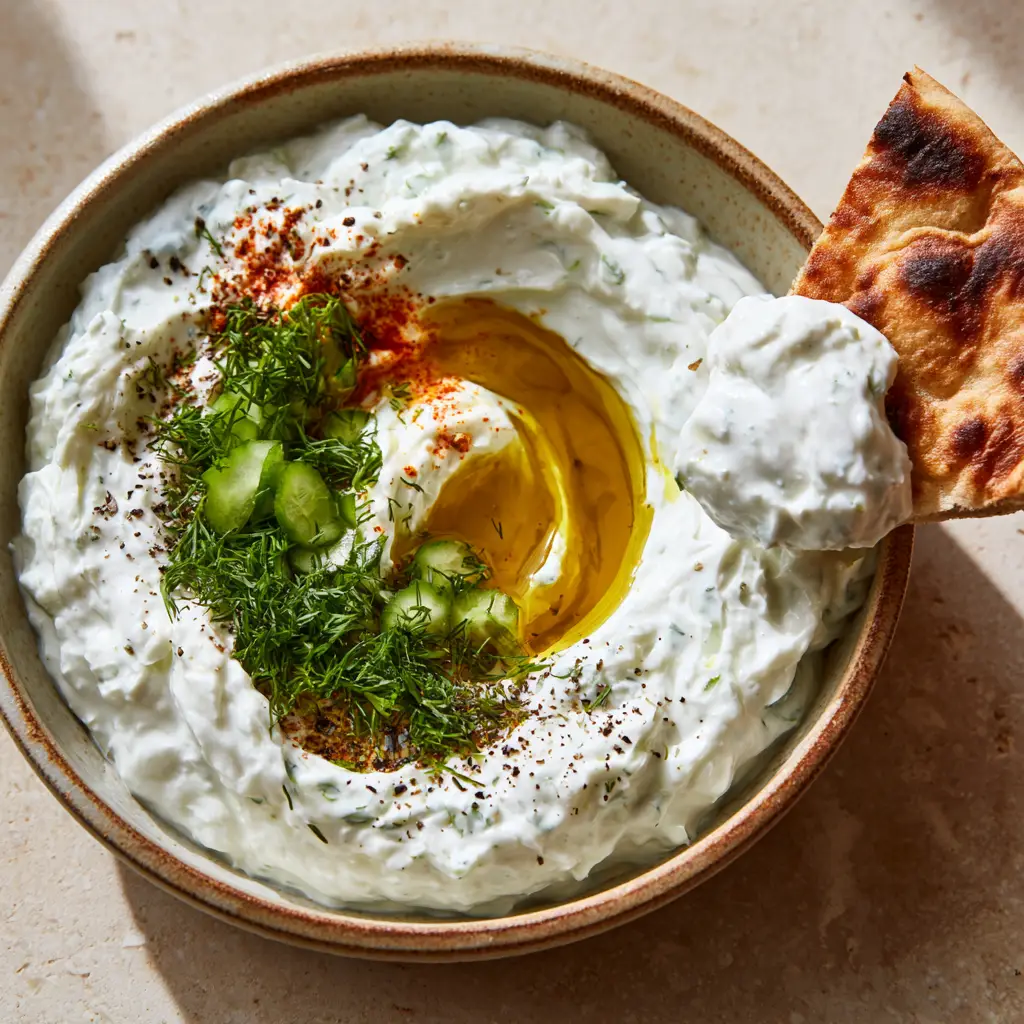
There is nothing quite like a bowl of authentic Tzatziki sauce, gleaming under natural light with a glossy swirl of golden extra virgin olive oil. When you achieve that perfect, ultra-thick consistency where the yogurt holds stiff peaks, it transforms from a simple dip into a culinary masterpiece.
This recipe focuses on the forensic details that separate a watery, store-bought imitation from a professional-grade spread. By focusing on strained textures and specific moisture-removal techniques, we ensure your sauce is stable enough to sit mid-scoop on a warm piece of charred pita without a single drip.
Whether you are preparing a Mediterranean feast or just looking for the perfect companion for fresh vegetables, this version delivers a sensory experience. The bright green flecks of fresh dill and the subtle heat of cracked black pepper create a profile that is as beautiful as it is delicious.
Why This Ultra-Thick Tzatziki Sauce Outshines the Rest
- Structural Integrity: By using specifically strained Greek yogurt, we achieve a heavy, whipped texture that holds its shape perfectly on the plate.
- Moisture Mastery: Our method for preparing the grated cucumber eliminates the common “weeping” effect, keeping your sauce thick for days.
- Aromatic Depth: The combination of pungent minced garlic and paper-thin Persian cucumber half-moons provides a complex mouthfeel and fresh crunch.
- Visual Brilliance: A finishing touch of smoked paprika and lemon zest flakes adds a pop of color and a layer of sophisticated flavor.
The Anatomy of a Perfect Mediterranean Dip: Key Ingredients
Full-Fat Greek Yogurt: You need 2 cups (450g) of the highest quality strained Greek yogurt available. The fat content is essential for that “stiff peak” visual and a rich, decadent mouthfeel.
Persian Cucumbers: Use 2 medium cucumbers (approx. 200g), which have thinner skins and fewer seeds than standard varieties. We will grate these and then slice thin half-moons for a varied texture that mimics professional plating.
Extra Virgin Olive Oil: Select a robust, cold-pressed oil to create that deep, glossy swirl in the center of the bowl. You will need 2 tbsp (30ml) for the base and an extra drizzle for the garnish.
Fresh Dill: Only fresh will do; 3 tbsp (10g) of finely chopped dill provides the signature herbaceous lift. Avoid dried dill, as it won’t provide the bright green visual contrast seen in the blueprint.
Fresh Garlic: 2 cloves (approx. 6g) of garlic, minced into a fine paste. The garlic should be integrated so thoroughly that you taste the warmth without biting into a raw chunk.
Acidity and Brightness: 1 tbsp (15ml) of fresh lemon juice and 1 tsp (2g) of lemon zest flakes. The zest provides a concentrated citrus aroma that cuts through the richness of the dairy.
The Finishing Spices: A generous pinch of cracked black pepper and a dusting of smoked paprika. The paprika adds a subtle earthiness that complements the charred notes of the pita bread.
Foundational Salt: 1/2 tsp (3g) of fine sea salt for the yogurt, plus extra for sweating the cucumbers. Salt is the invisible engine that drives all the other flavors forward.
Pro-Grade Tools for a Smooth and Stable Spread
To achieve the “smartphone photo” quality results, you will need a few specific kitchen items. A box grater is essential for the cucumber, while a fine-mesh sieve or cheesecloth is required to strain out every drop of excess liquid.
A heavy rustic ceramic bowl helps maintain the cool temperature of the yogurt while providing a beautiful aesthetic contrast. Finally, a microplane is the best tool for creating those delicate lemon zest flakes that sit atop the sauce like yellow jewels.
Mastering the Squeeze: A Step-by-Step Guide to Texture
Preparing the Cucumber Base
Start by grating your cucumbers using the large holes of a box grater. Place the shreds into a sieve and sprinkle with a pinch of salt, letting them sit for 10 minutes to draw out the water.
Using a clean kitchen towel or cheesecloth, gather the grated cucumber and squeeze with all your might. You want the cucumber to feel almost dry to the touch; this ensures your Tzatziki sauce remains ultra-thick and never separates.
Whipping the Yogurt and Aromatics
In your rustic ceramic bowl, combine the strained Greek yogurt with the minced garlic, lemon juice, and half of the chopped dill. Use a stiff spatula to fold the ingredients together until the yogurt looks whipped and shows visible peaks.
Gently fold in the squeezed cucumber shreds. The yogurt should be so thick at this stage that the spatula leaves a distinct trail as you move it through the mixture.
Creating the Visual Masterpiece
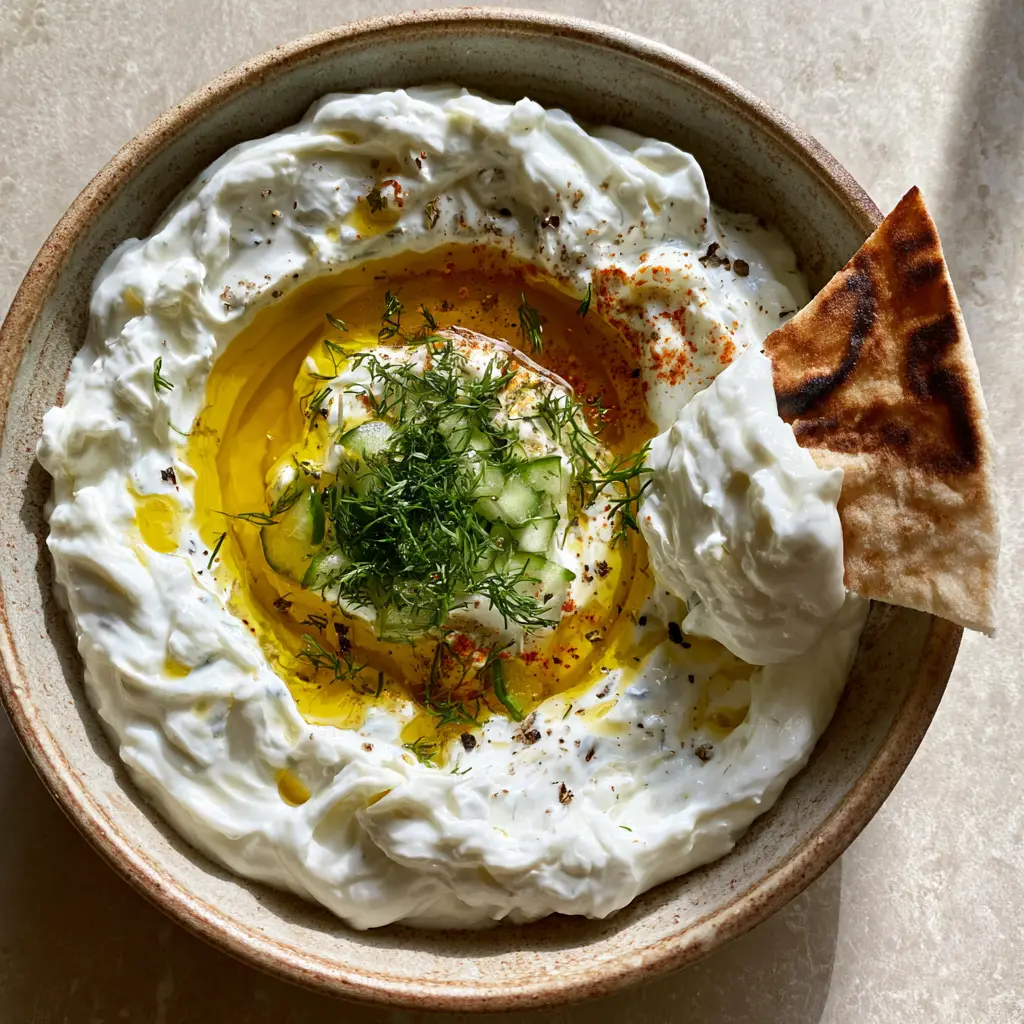
Use the back of a spoon to create a deep, circular well in the center of the yogurt. Slowly pour the extra virgin olive oil into this channel, allowing it to pool and shimmer in the light.
Top the oil swirl with the remaining dill, the thin cucumber half-moons, and the lemon zest. Finish with a scatter of cracked black pepper and a light dusting of smoked paprika for that professional, high-angle photo look.
Charring the Pita Wedges
Place a pita bread wedge directly over a low gas flame or in a dry cast-iron skillet. Toast until you see dark charred spots and the bread becomes soft and pliable, perfect for a massive, stable dollop of sauce.
Golden Rules for Culinary Success
- The Overnight Rest: If time allows, let the sauce sit in the fridge for 2 hours before serving. This allows the garlic to mellow and the dill to infuse the yogurt deeply.
- Temperature Control: Always serve your Tzatziki sauce chilled. The contrast between the cold, creamy yogurt and the warm, charred pita is a hallmark of Mediterranean dining.
- Don’t Skip the Zest: The lemon juice provides the tang, but the zest provides the aroma. It is the secret to a “restaurant-quality” finish.
- The Right Yogurt: If you can only find regular yogurt, you must strain it through cheesecloth for at least 4 hours to reach the necessary thickness.
Freshness and Longevity: How to Keep Your Dip Pristine
This sauce is best enjoyed within 3 to 4 days. Store it in an airtight container in the coldest part of your refrigerator to maintain the integrity of the dairy.
If you notice any small amount of liquid pooling on top after storage, do not stir it back in. Instead, gently blot it with a paper towel to preserve the stiff peaks and thick texture.
Because of the fresh cucumber and yogurt, this recipe does not freeze well. The freezing process breaks down the cell walls of the cucumber and the protein structure of the yogurt, resulting in a grainy mess upon thawing.
Perfect Pairings: From Charred Pita to Mediterranean Feasts
While a warm pita wedge is the classic choice, this sauce is incredibly versatile. It serves as a cooling counterpoint to the spicy, savory notes found in Egyptian Hawawshi or as a side for grilled meats.
For those exploring regional variations, you might notice similarities between this and Turkish Cacik, though our version is much thicker and more dip-like. It also fits perfectly into a spread featuring a Roasted Sweet Potato Salad for a fusion-style lunch.
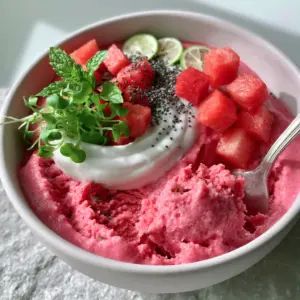
If you are planning a full theme, check out our other Egyptian-inspired dishes to round out your table. The creamy texture of the yogurt also makes it a surprising but delightful follow-up to a light Watermelon Smoothie Bowl on a hot summer day.
Frequently Asked Questions: The Science of Strained Yogurt
For the best flavor and visual appeal, fresh dill is highly recommended. If you must use dried, reduce the amount to 1 tablespoon, but note that the sauce will lack the bright green flecks seen in professional versions.
Start with a high-fat (5% or higher) Greek yogurt and ensure it is properly strained. If the yogurt is still soft, you can strain it further through cheesecloth for 2-4 hours to remove additional whey.
If using thin-skinned Persian or English cucumbers, peeling is not necessary and the skin adds beautiful color. For standard thick-skinned cucumbers, it is best to peel them to avoid a bitter taste.
While both use yogurt and cucumber, Tzatziki is typically much thicker and used as a dip or spread. Cacik often has a thinner, soup-like consistency and may include water or ice cubes.
Watery sauce is usually caused by excess moisture in the cucumbers. To fix this, salt your grated cucumbers and squeeze them thoroughly using a kitchen towel until they are nearly dry before adding them to the yogurt.
The Ultimate Thick Tzatziki Sauce Recipe

Tzatziki Sauce: The Ultimate Thick and Creamy Authentic Recipe
Ingredients
Equipment
Method
- Grate the Persian cucumbers using a box grater. Place them in a sieve, sprinkle with salt, and let sit for 10 minutes.
- Using a cheesecloth or kitchen towel, squeeze the grated cucumbers firmly until all excess water is removed and they feel nearly dry.
- In a rustic ceramic bowl, fold together the thick Greek yogurt, minced garlic, lemon juice, and half the dill until whipped peaks form.
- Fold in the squeezed cucumber shreds and half of the olive oil until fully incorporated and stable.
- Create a well in the center, fill with the remaining olive oil, and top with cucumber half-moons, lemon zest, paprika, and pepper.
- Lightly char pita bread wedges over an open flame until warm and spotted brown, then serve immediately mid-scoop.
Notes
Always squeeze the cucumbers twice to ensure no water dilutes the sauce.
Bring the Mediterranean to Your Kitchen
Crafting the perfect Tzatziki sauce is an exercise in patience and quality ingredients. When you see that stable dollop sitting perfectly on a charred pita, you’ll know the effort of squeezing those cucumbers was worth every second.
If you enjoyed this recipe, please leave a comment below and tell us how yours turned out! Don’t forget to share your beautiful sauce photos and tag amber_bakes on Pinterest so we can see those beautiful yogurt peaks!